
This post may contain affiliate links, If you choose to buy through these links, I may receive a small commission at no additional cost to you.
Let’s stop pretending that “easy” has to mean “boring.” We’ve all seen those homes on Instagram that look like a neon tropical paradise, and then we look at our lonely, dusty Snake Plant in the corner and sigh. I used to think that if a plant had pink, purple, or velvet leaves, it was basically a ticking time bomb waiting to die in my living room.
But after years of trial and error, I found out the truth: Color is a survival mechanism. If you are looking for the 10 best colorful houseplants, you need to understand that those bright reds and deep purples aren’t just for show; they tell a story about where the plant came from. Once you understand that story, you stop “keeping a plant” and start “growing an experience.”
If you’re ready to move past the “Basic Green” phase, here is the real, unfiltered dirt on the 10 best colorful houseplants that will turn your home into a literal art gallery.
Read Also: Why Most Beginner Gardens Fail – And How to Make Yours Work
1. Raven ZZ Plant (The Midnight Survivor)
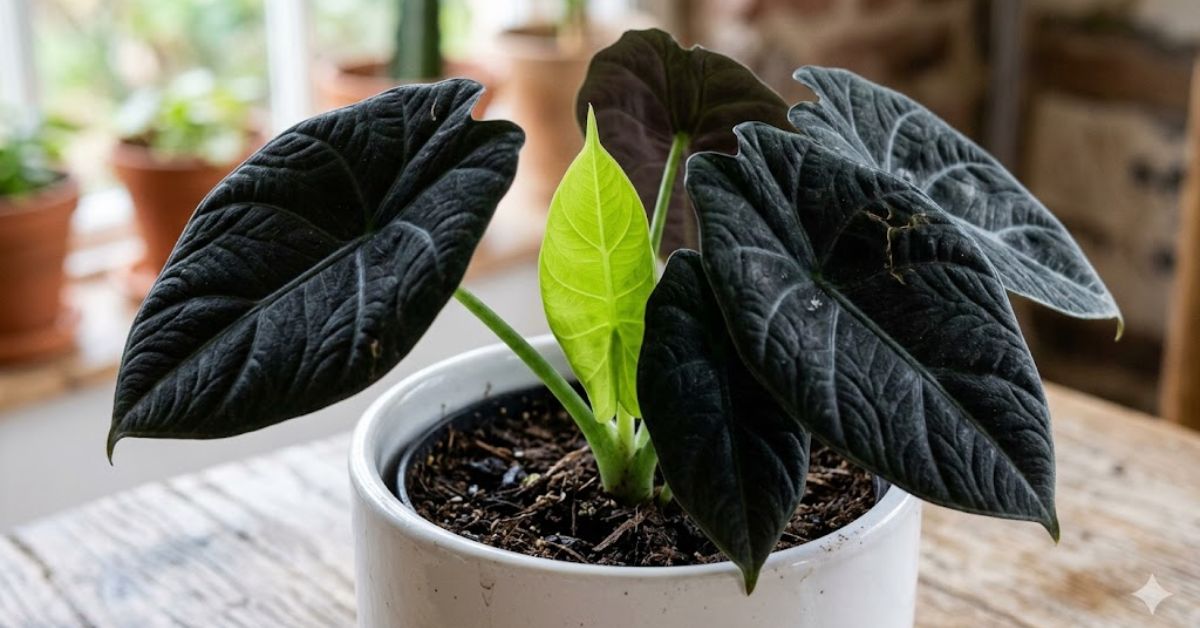
The Raven ZZ is the moody, dark-mode version of the typical houseplant. Most plants crave the spotlight, but the Raven ZZ is perfectly happy lurking in the shadows, making it one of the 10 best colorful houseplants for low-light corners.
-
The Deep Secret: When a new leaf pops up, it’s a shocking neon green. It looks like a mistake! But over two months, it slowly turns into a waxy, jet-black purple. This happens because of a high concentration of anthocyanins nature’s version of extreme sunscreen.
-
The “Human” Experience: This plant is basically a camel. It has thick, bulbous “rhizomes” under the dirt that store water. If you water it every week, you will kill it. I’m serious. Water it once every 3-4 weeks and then go about your life. It thrives on being ignored.
-
Pro Tip: Don’t use leaf shine chemicals. The natural wax on the black leaves is stunning enough; chemicals just clog its “pores.”
2. Pink Aglaonema (The “Busy Person’s” Bestie)
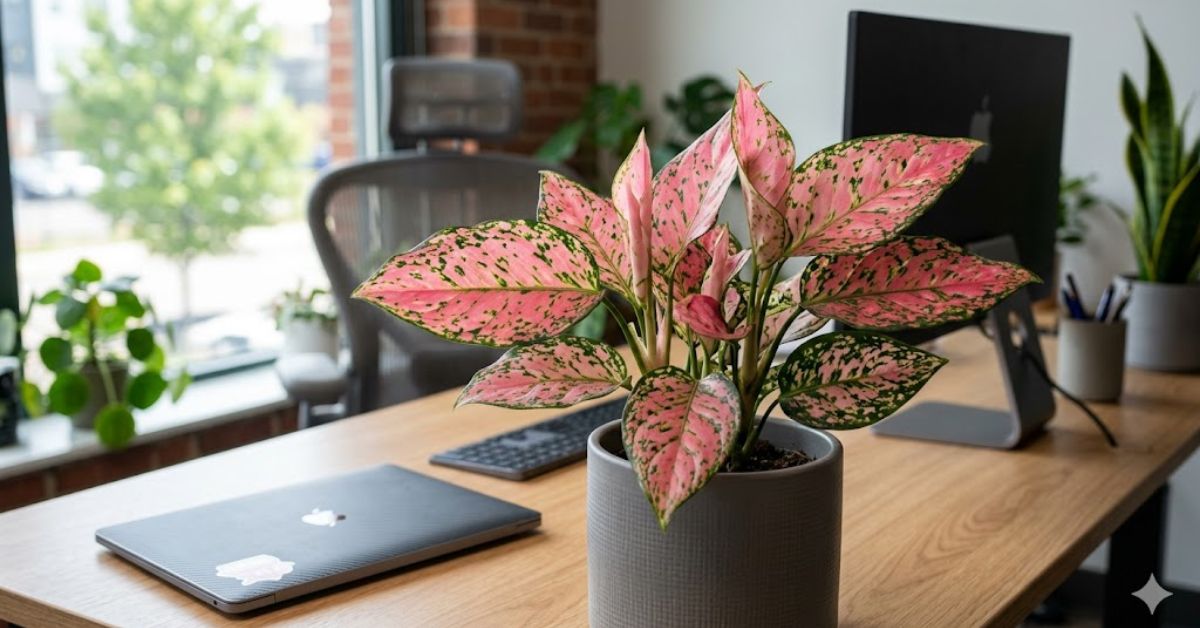
If you want neon pink but you have a 10-hour workday, this is your plant. It’s often called the “Chinese Evergreen,” and it’s one of the few plants that gives you “high-fashion” color with “low-budget” effort.
-
The Deep Secret: These plants are incredibly slow growers. Why does that matter? It means they don’t “stretch” and get ugly if you don’t have perfect light. Among the 10 best colorful houseplants, this one keeps its compact, bushy shape for years without needing a trim.
-
The “Human” Experience: It’s very communicative. If it’s thirsty, the leaves will droop just a tiny bit. Give it a drink, and it perks up in an hour. It can handle the air conditioning in an office or the humidity of a kitchen equally well.
-
Pro Tip: If the edges of the pink leaves turn brown, it’s usually because your tap water has too much chlorine. Let your water sit out overnight before using it.
3. Croton Petra (The Sun-Drunk Rebel)
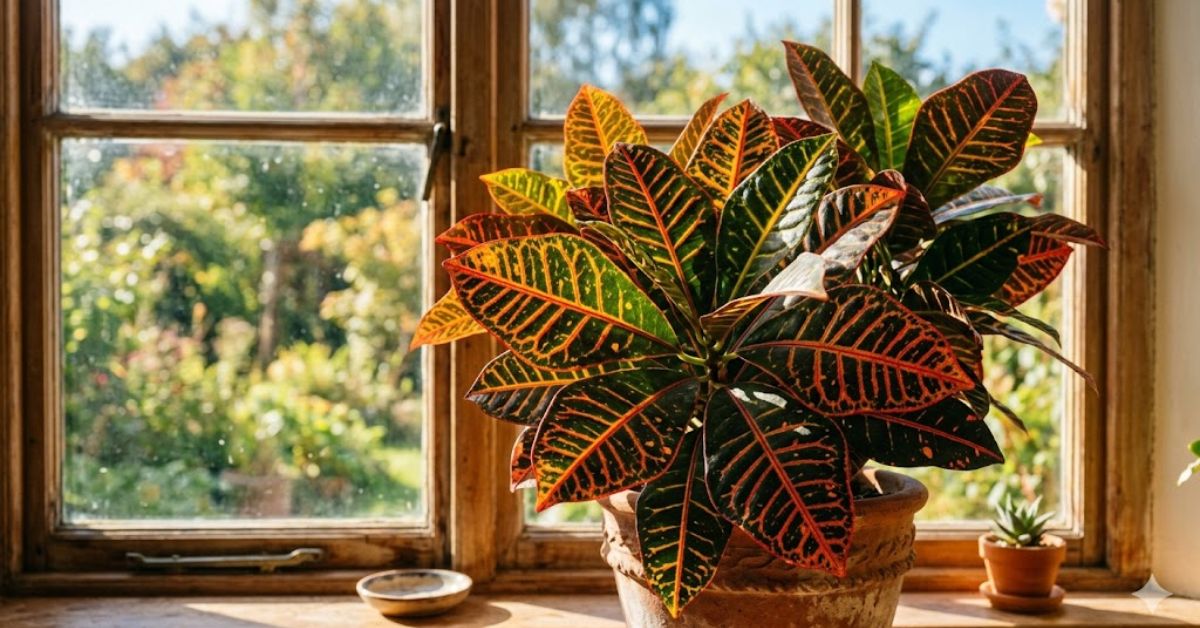
Crotons are the flashy lead singers of the houseplant family. They are loud, colorful, and a little bit temperamental if you don’t give them what they want.
-
The Deep Secret: The “colors” (red, orange, yellow) are actually the plant’s way of managing intense light. If you put a Croton in a dark corner, it will turn plain green to survive. It’s literally “tanning” to get those colors.
-
The “Human” Experience: Warning this plant hates moving house. If you buy one and bring it home, it might drop half its leaves in the first week. Don’t throw it away! It’s just throwing a tantrum. Keep it in one sunny spot, and it will grow back stronger.
-
Pro Tip: They love a “spa day.” Take a damp cloth and wipe the leaves once a week. They breathe through those colorful leaves, and dust is their enemy.
4. Purple Oxalis (The Sleeping Beauty)
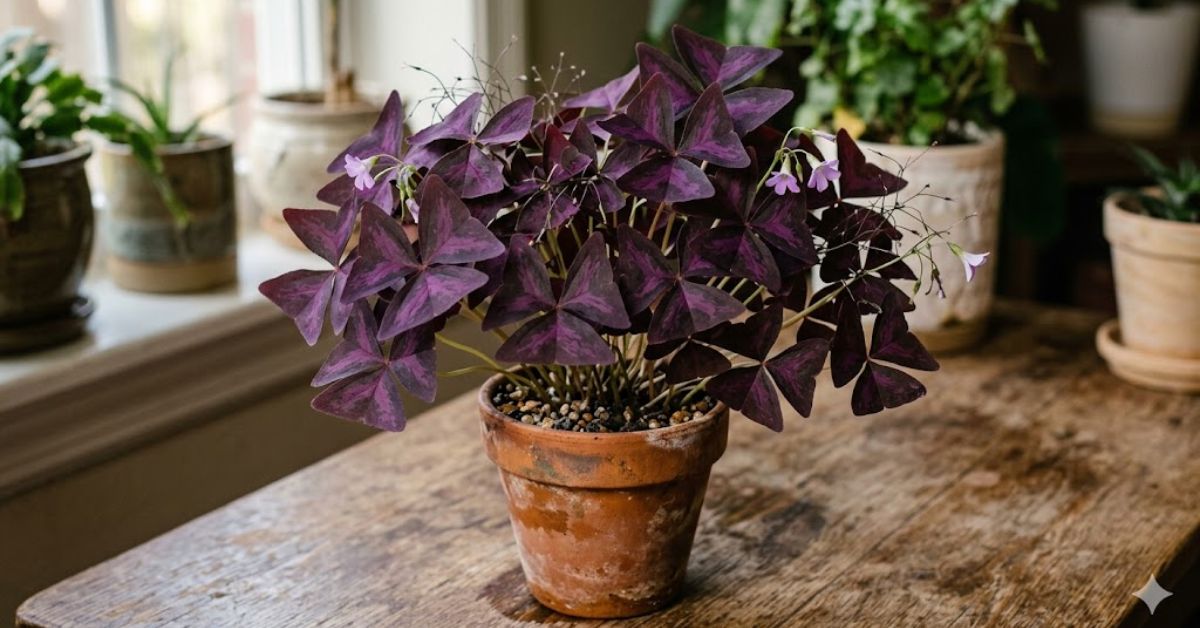
This plant doesn’t look real. The leaves are perfect dark purple triangles that look like velvet butterflies fluttering in a pot. In any list of the 10 best colorful houseplants, the Oxalis stands out for its movement.
-
The Deep Secret: This plant has a biological clock. At night, the leaves fold down to protect themselves from dew and predators. In the morning, they “wake up” and stretch toward the light. It’s like having a pet that doesn’t bark.
-
The “Human” Experience: It grows from tiny bulbs (corms) that look like little pinecones. If you accidentally leave it in the sun and it shrivels up don’t cry. Cut the dead leaves off, stop watering for a week, then start again. It will sprout brand new leaves from the bulbs. It’s almost impossible to kill permanently.
Smart Hydration: For those who want to provide precision hydration and fine misting to their delicate leaves, the Flora Premium Plant Mister Spray Bottle is an excellent choice. It even comes with a smart app for diagnosis and plant ID, making it perfect for tracking your “Sleeping Beauty’s” health.
-
Pro Tip: It produces tiny, delicate white or pink flowers that contrast beautifully with the dark purple.
5. Coleus (The Color Chameleon)
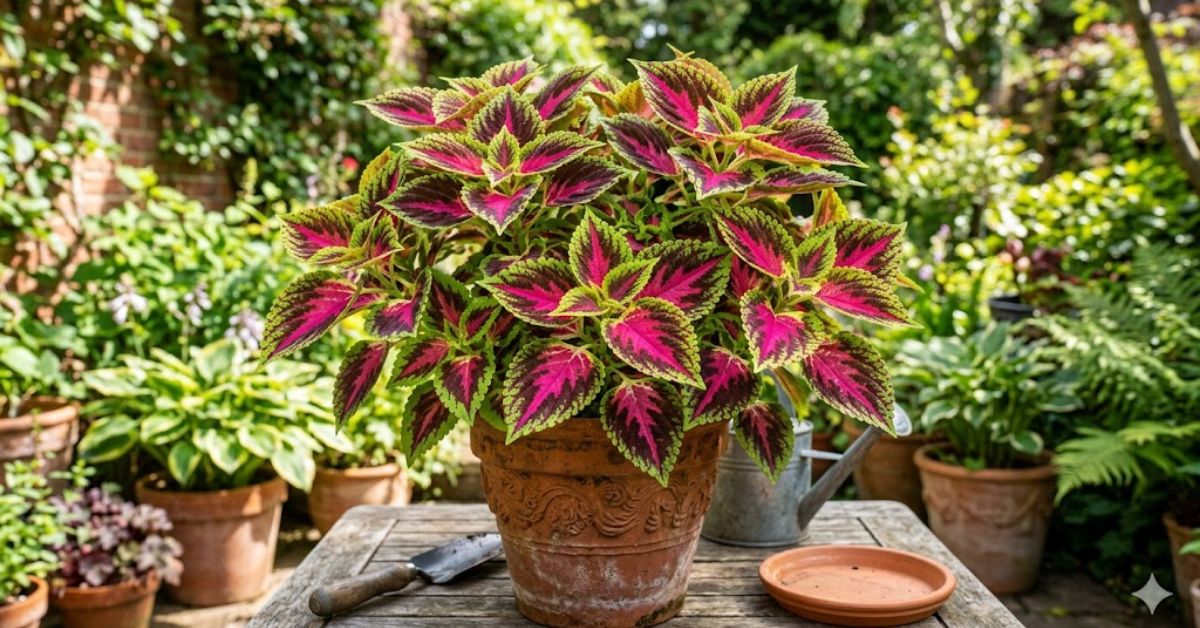
Coleus is the “fast fashion” of the plant world. It grows fast, looks incredible, and comes in every pattern imaginable.
-
The Deep Secret: Coleus is actually in the mint family! If you square off the stem with your fingers, you’ll feel it’s four-sided. Because it’s a “herbaceous” plant, it lives fast and dies young unless you “pinch” it.
-
The “Human” Experience: To keep it from getting “leggy” (long and ugly), you have to be a little mean. Pinch off the tips of the branches with your fingernails. This forces the plant to grow sideways and get bushy.
-
Pro Tip: Don’t let it flower. The flowers are boring, and once it flowers, the leaves lose their bright color. Snip those flower buds off immediately!
6. Tradescantia Zebrina (The Glittery Traveler)
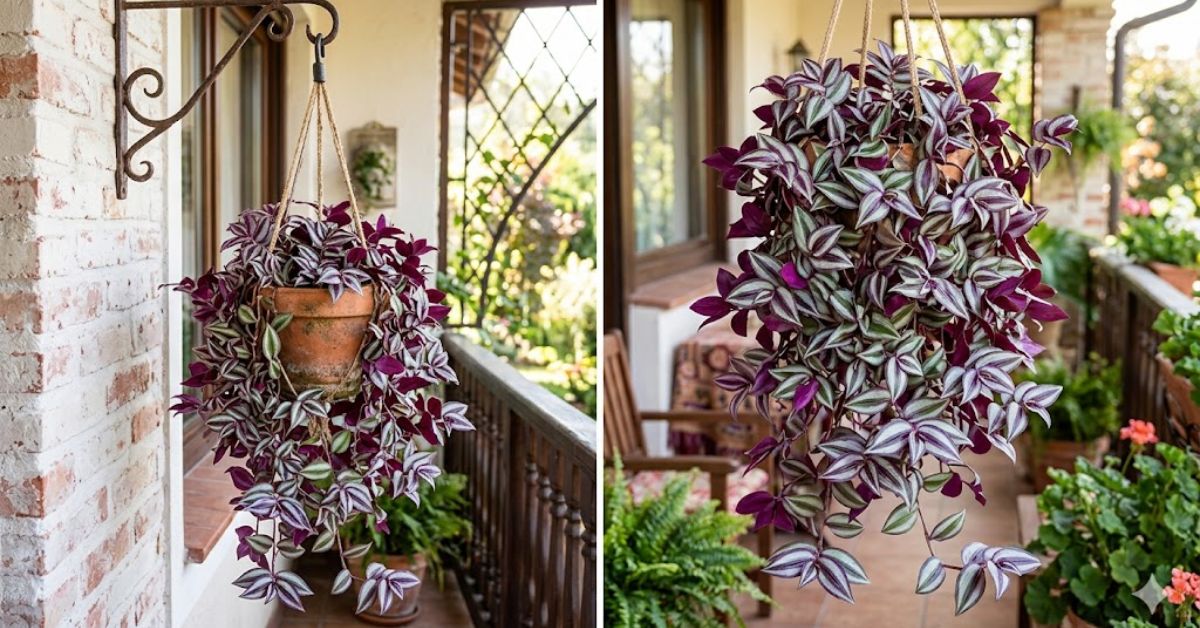
Also known as the “Inch Plant” because it seems to grow an inch every time you blink. The leaves have silver stripes that actually sparkle like they’ve been dipped in glitter.
-
The Deep Secret: This plant is a “creeper.” In the wild, it crawls along the ground. In your house, it wants to hang. The purple underside of the leaf is designed to absorb extra light that bounces off the ground.
-
The “Human” Experience: It’s very brittle. If you touch it, a piece might snap off. Don’t worry! Just stick that broken piece back into the dirt. It will grow roots in days. It’s the easiest plant in the world to “multiply,” which is why it’s on our 10 best colorful houseplants guide.
Learn more about how to keep this sparkling beauty thriving from the experts at University of Wisconsin-Madison Horticulture.
-
Pro Tip: After a year, the top of the pot might look a bit bald. Just take cuttings from the long vines and stick them into the bald spots at the top.
7. Bromeliads (The Tropical Crown)
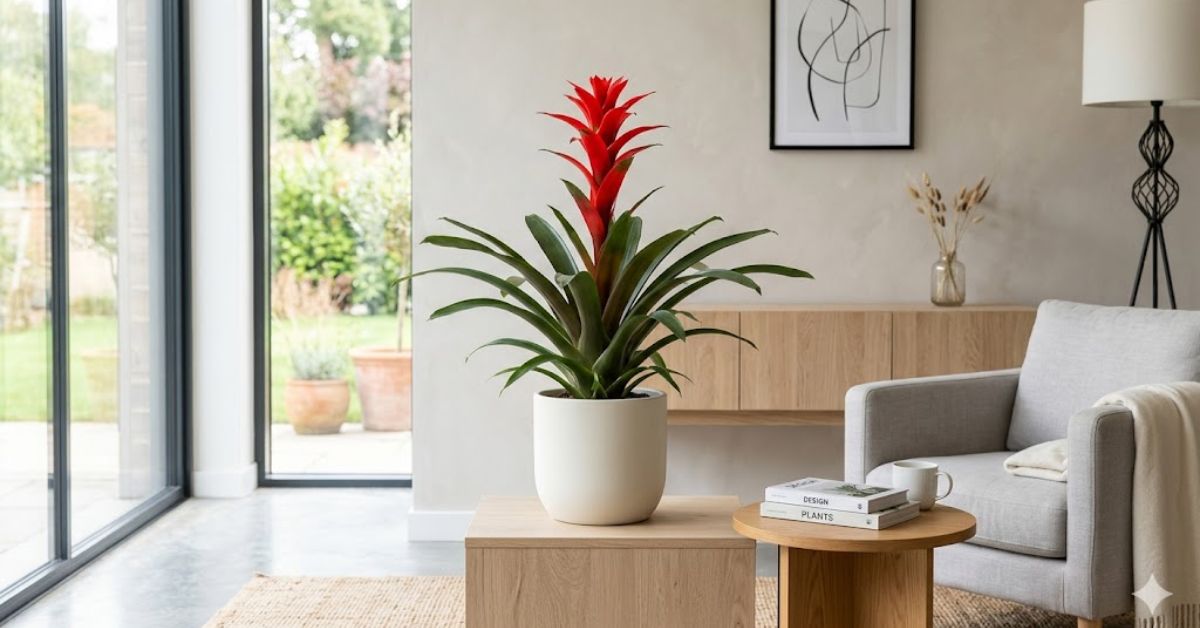
Bromeliads bring that “Island Vibe” to any room. That bright “flower” in the middle isn’t actually a flower it’s a group of leaves called “bracts.”
-
The Deep Secret: They are “Epiphytes,” meaning in the wild, they grow on trees, not in dirt. Their roots are mostly for hanging on, not for drinking.
-
The “Human” Experience: You water the “tank” the little cup in the center of the leaves. Keep that cup filled with fresh water. If the water gets stinky, pour it out and put in fresh stuff.
-
Pro Tip: After a few months, the color will fade. The “mother” plant is technically dying, but look at the base she will leave 2 or 3 “pups” (babies). Cut them off, plant them, and you have a whole new cycle.
8. Rex Begonia (The Artist’s Palette)
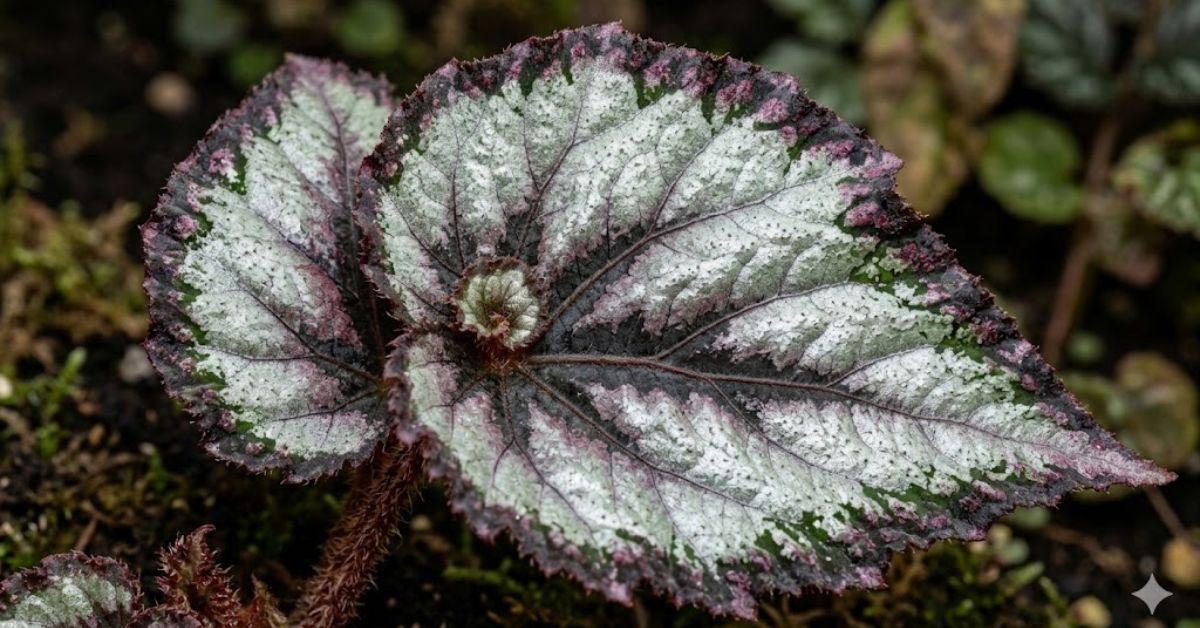
Rex Begonias are for the people who want texture. Some look like snail shells, others look like stained glass or metallic shields.
-
The Deep Secret: They have “rhizomatous” stems that crawl along the surface of the soil. They are very sensitive to “wet feet.” If the roots stay in soggy water, they turn to mush instantly.
-
The “Human” Experience: They like “Goldilocks” conditions. Not too much sun (it burns the leaves), not too much shade (they lose their pattern). A North-facing window is usually their happy place.
-
Pro Tip: Never spray the leaves with water. It causes fungus and “leaf spot.” Water the soil directly, and keep the leaves dry.
9. Dracaena ‘Colorama’ (The Pink Pillar)
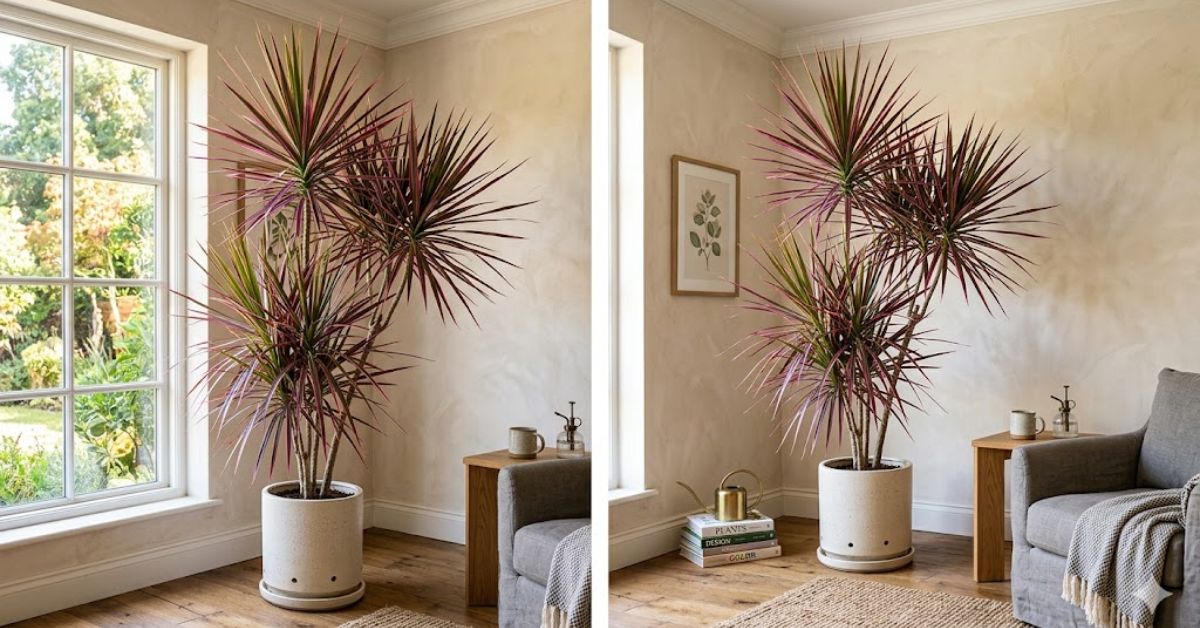
If you need height and you love pink, this is the one. It looks like a spray of pink and green ribbons exploded out of a trunk.
-
The Deep Secret: It’s a cousin of the Agave. It stores water in its trunk. As it grows, the bottom leaves fall off naturally, and it forms a “cane” or a woody trunk like a mini palm tree.
-
The “Human” Experience: This is a “tough love” plant. If you baby it too much, it gets weak. Let it dry out completely. It’s great for corners because it grows upright and doesn’t take up much floor space.
-
Pro Tip: If the tips turn brown, it’s usually dry air. This is one of the few plants on this list that actually enjoys a light misting now and then.
10. Polka Dot Plant (The Drama Sweetheart)
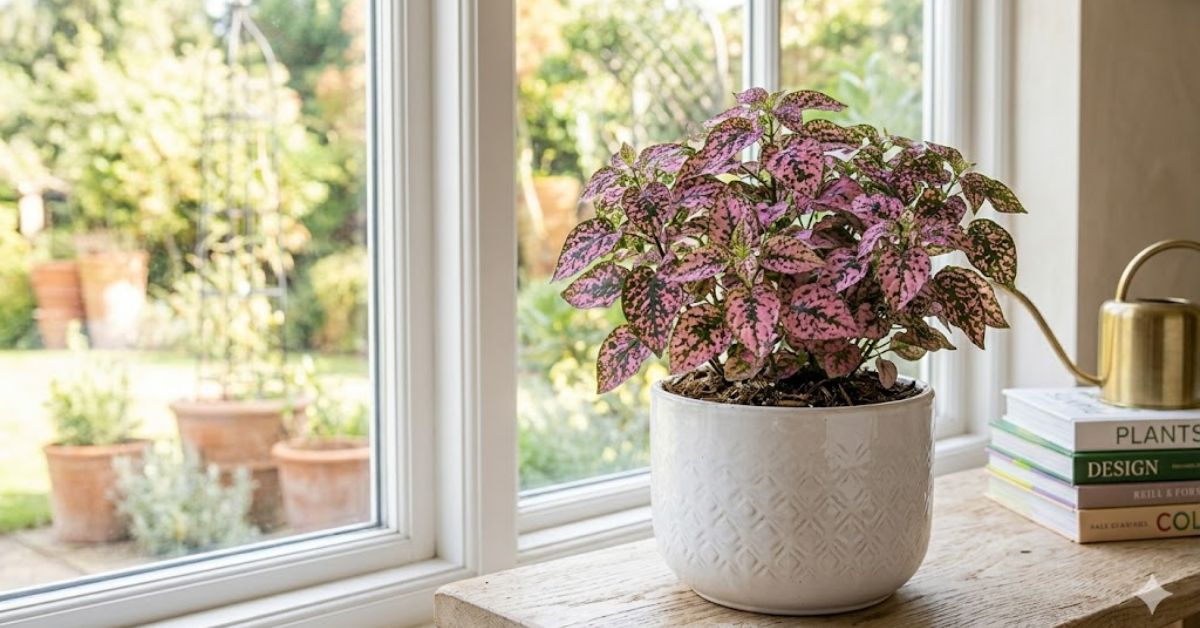
This plant is basically a mood ring. It has splashes of pink, red, or white that look like someone flicked a paintbrush at it. No list of the 10 best colorful houseplants is complete without this adorable “fainter.”
-
The Deep Secret: In the wild (Madagascar), these are small shrubs. Indoors, they try to grow toward the light very quickly, which makes them look “leggy.”
-
The “Human” Experience: This is the plant that “faints.” You’ll come home and it will be lying flat on the pot like it’s dead. You’ll freak out. Give it a cup of water, and two hours later, it’s standing tall again. It’s the ultimate teacher for a beginner.
-
Pro Tip: To keep it from looking like a weed, keep it small. Snip it back often to encourage those beautiful spotted leaves to grow close together.
Style Your Indoor Jungle
Now that you have your list of colorful beauties, you’ll need a place to show them off. To display your new collection beautifully while saving space, you can use a multi-layered wooden display like this Bamworld Plant Stand, which fits perfectly in any living room or patio corner.
Are your other plants struggling too? Check out Is Your Indoor Jungle Under Attack? 8 Sneaky Pests That Are Secretly Killing Your Houseplants This Summer to make sure pests aren’t the real reason.
The Big Mystery: Why is my plant turning back to green?
I see this happen all the time. Someone buys the 10 best colorful houseplants, and three months later, they’re just… green. Here is the secret nobody tells you: Plants use color like a filter. If they are in a dark room, they produce more chlorophyll (the green stuff) because they are starving for energy. If your plant is losing its “pop,” it’s not dying it’s just losing its tan. Move it closer to a window and watch the neon come back.
The Real Question…
Which of these 10 best colorful houseplants makes you want to drive to the nursery right now? Is it the midnight black of the Raven ZZ or the sparkling silver of the Tradescantia? Everyone starts with green, but only a few people have the guts to grow a rainbow. Which color is missing from your shelf?