
This post may contain affiliate links, If you choose to buy through these links, I may receive a small commission at no additional cost to you.
Let’s be honest: the “grind” is exhausted. For the last decade, we’ve been fed a steady diet of toxic productivity the idea that if you aren’t waking up at 4 AM, running three side hustles, and surviving on caffeine and sheer willpower, you’re falling behind. We were told to sacrifice our youth, our health, and our sanity at the altar of a retirement that feels more like a mirage every year.
The collective fever has finally broken. The debate of Soft Saving vs Hustle Culture is no longer just a trend; it’s a fundamental shift in how we value our time and money. From the high-rises of New York to the tech corridors of Bengaluru, a quiet revolution is happening. We’re done waiting for a “someday” that isn’t guaranteed.
Upgrade Your Morning: Ditch the stressful 4 AM loud alarms and embrace the “Soft Life” by waking up naturally with a , designed to mimic a real sunrise for a calm start to your day.
1. What is the soft saving trend?
The Forbes financial report recently highlighted how the Soft Saving Trend is becoming the top choice for Gen Z, who prefer living well today over an uncertain retirement tomorrow.
If you look at what’s trending right now, the “Alpha Male” and “Girl Boss” archetypes who basically lived at their desks are being replaced by the “Soft Life.” But don’t mistake this for just a social media aesthetic. In the choice between Soft Saving vs Hustle Culture, many are choosing a calculated, savvy financial move that prioritizes today.
Soft Saving is the practice of saving less for the distant future and intentionally spending more on experiences and well-being right now.

Years ago, the FIRE (Financial Independence, Retire Early) movement was the ultimate goal. The reality of housing markets and global shifts, many have realized that retiring at 35 is a pipe dream for the 1%. Instead of chasing an impossible finish line, people are choosing to enjoy the journey. We’ve stopped putting our lives on hold for a retirement that might never happen.
2. Is Hustle Culture Dead? The Rise of Financial Contentment
There was a time when ‘sleeping 4 hours’ was a flex. The Soft Saving Trend proves that the math of the ‘grind’ stopped working for most people. Today, that just sounds like poor time management and a fast track to a hospital bed.
Hustle culture promised that if we worked ourselves to the bone in our 20s and 30s, we’d be happy later. But the math stopped working. Inflation and the skyrocketing cost of living made that “traditional dream” feel like a scam.
Instead of winning a race that has no end, we are opting for Financial Contentment. This looks like:
Setting “enough” goals instead of “more” goals.
Protecting mental health over taking on a second or third side gig.
Focus Essential: To truly protect your mental energy investing in with 120H playtime allows you to create a private sanctuary of calm, whether you’re working or unwinding.
Accepting that a mid-range car and a peaceful life are better than a luxury SUV and a panic attack.
READ MORE :
How to Protect Your Mental Energy in an Always-Online World
3. How Gen Z and Millennials are Leading this Shift in India
In India, the Soft Saving Trend has gained massive momentum. From a techie in Bengaluru’s high-pressure IT corridors to a digital creator in the heart of Mumbai, the shift toward Financial Contentment is palpable. Young Indians are no longer just chasing the “Great Indian Dream” of property and gold; they are redefining what it means to be successful in present year
Experiences Over Assets: There is a marked departure from traditional status symbols. Gen Z is prioritizing travel, personal growth, and continuous learning over the heavy burden of home loans or luxury cars. For them, a passport full of stamps is more valuable than a garage full of metal.
The Rise of Micro-Savings: Instead of aggressive, soul-crushing frugality, the focus has shifted to consistency. There is a growing trust in Micro-SIPs and automated savings tools. The philosophy is simple: save small, save often, and let technology do the heavy lifting so you can focus on living.
Side Hustles for Passion, Not Just Survival: In Present year the “Side Hustle” has evolved. People aren’t necessarily picking up extra work just to pay the rent; they are doing it to satisfy a creative itch or pursue a long-lost hobby. It’s about fulfillment and “Ikigai” rather than just adding an extra zero to the bank balance.
4. How does Gen Z save money?
This isn’t just a trend; it’s a generational mutiny. The core of Soft Saving vs Hustle Culture lies in investing in ‘low-yield’ happiness now, rather than a ‘maybe’ later.Current search data shows that “How to live a soft life with a 9-5” is getting way more hits than “How to start a startup.”
The younger workforce watched their parents give 30 years to companies that laid them off without a second thought. They saw the “hustle” lead to anxiety, not mansions. So, they changed the rules. They are investing in “low-yield” happiness:
Travel while young: Why wait until you need a hip replacement to see the Swiss Alps?
Hobbies over side-gigs: Turning a love for pottery into a relaxing Saturday, not an Etsy store that feels like a second job.
Quality over Quantity: Buying one high-quality $100 jacket that lasts five years instead of $100 worth of fast fashion.
5. How do I improve my finances?
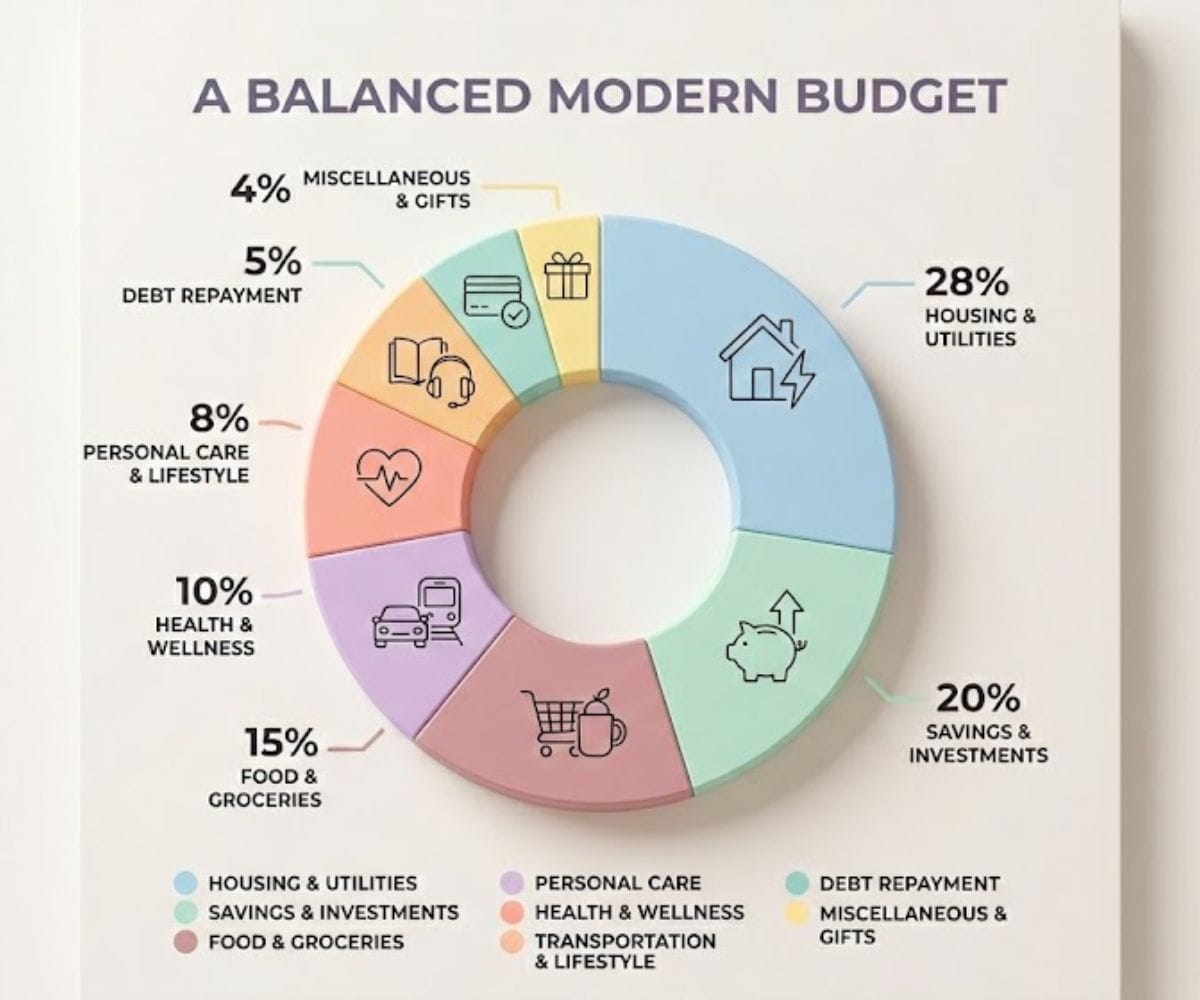
The biggest critics of Soft Saving say it’s just an excuse for being irresponsible. That’s missing the point entirely. It’s about Intentionality. You aren’t throwing money away; you’re just putting it where it actually matters today.
The New Financial Framework:
The 50/30/20 Rule (Modified): Instead of dumping 20% into a retirement fund you can’t touch for 40 years, people are splitting it : 10% for the future, and 10% for a “Live Now” fund.
READ MORE : Brain Wealth : Why It’s Better Than a 401(k) Investment
Micro-Investing: Using smart apps to keep small amounts growing in the background while keeping the majority of income liquid for life experiences.
Experience Budgeting: Making things like “concert tickets” or “weekend road trips” non-negotiable line items in the monthly budget.
“I stopped trying to be a millionaire by 30 and started trying to be happy at 26. My bank account is slightly lower, but my blood pressure is way better.” : Quote from a Financial Contentment Forum.
6. The Environmental and Social Impact of Saving Soft
Hustle culture is loud, fast, and incredibly wasteful. Soft saving is quiet and sustainable. When we stop the frantic chase for “more,” we naturally consume less. We stop buying junk we don’t need to impress people we don’t even like.
This shift is healing our local communities.
we’re seeing a massive return to the “Local Economy.” Because people aren’t working 16-hour days, they actually have time to sit in a local cafe, chat with neighbors, and support local artists.
7. Financial Contentment vs. Financial Laziness: Knowing the Difference
Let’s be real you still have to pay the rent. Soft saving isn’t about quitting your job and living on vibes. It’s about finding the “Sweet Spot” where you are financially secure but not soul-crushed.
Here is how we can compare the core values of Soft Saving vs Hustle Culture:
8. The Global Perspective: From Tier 1 Cities to Rural Hubs
In “pressure cooker” cities like London, Mumbai, or Tokyo, the cost of living has become so disconnected from reality that Soft Saving has become a survival mechanism. If you can’t afford a $2 million apartment anyway, why burn your life out trying?
People are finding contentment in smaller, more human wins. A beautiful rental, a great meal with friends, and a job that stays at the office. This “Global Softness” is the first time we’ve seen a unified movement across borders toward one simple goal: Peace.
9. Why Now is the Turning Point
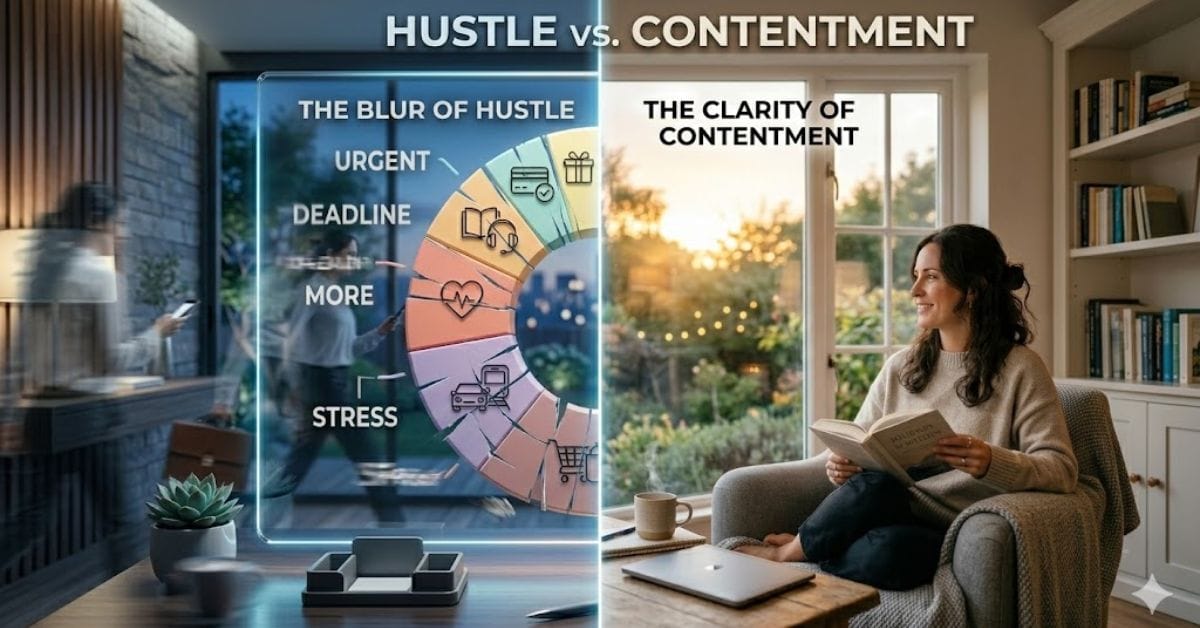
We’ve spent the last decade trying to optimize ourselves like we’re pieces of software. We turned our hobbies into businesses and our rest into “recovery time” for more work. Now is the year we reclaimed our humanity. We’re finally realizing that the economy is supposed to serve us, not the other way around.
Financial contentment doesn’t mean you’ve given up. It means you’ve finally won the only game that matters. You’ve stopped playing a rigged system and started living your own life.
10. Where Do We Go From Here?
If you wake up every morning feeling like you’re running a race that has no finish line, maybe it’s time to stop running. You don’t need a mountain of gold to have a “rich” life. You just need enough to be free, enough to breathe, and enough to enjoy the world while you’re still young enough to appreciate it.
The hustle is over. The Soft Saving Trend is here. And honestly? It’s about time we all took a breath.
Would you like me to help you calculate a personalized “Live Free” fund based on your current monthly income?