
This post may contain affiliate links, If you choose to buy through these links, I may receive a small commission at no additional cost to you.
We’ve all been there. You finish your morning latte, look at that damp pile of dark grounds, and think, “Hey, this is organic, right? My hydrangeas would love this.” It feels like the ultimate eco-friendly life hack. You’re recycling, you’re feeding the earth, and you’re saving money on expensive fertilizers.
But here is the truth that most “quick tip” TikTok videos won’t tell you: dumping your daily coffee waste directly onto your flower beds might be doing more harm than good. I’ve spent years experimenting with regenerative gardening and upcycling, and if there’s one thing I’ve learned, it’s that the soil is a delicate kitchen : not a trash can.
While the experts agree that coffee grounds are a goldmine for your garden, most people are using them all wrong. Let’s break down how to actually turn your caffeine habit into a “Soft Life” gardening win without accidentally choking your plants.
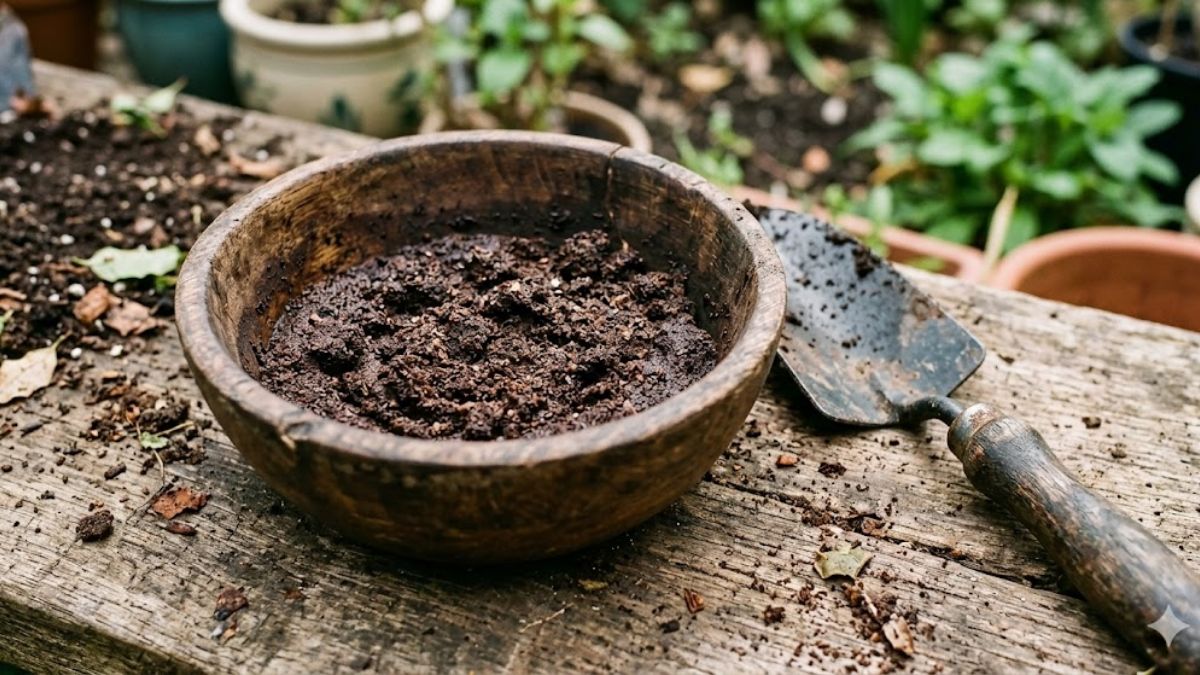
1. Why Everyone is Obsessed with Coffee Grounds in Soil
The buzz isn’t just hype. Coffee grounds are packed with nitrogen, which is basically the “protein shake” your plants need for lush, green leaves.
When you look at the structure of used grounds, they act as a fantastic organic matter. For those of us dealing with tough clay soil or super-dry sandy patches, adding organic material helps the soil “breathe” better. It improves drainage so your plants don’t get “soggy feet,” but it also holds onto moisture just long enough so you aren’t watering every five minutes.
Read Also: If you want to save even more on your yard, check out our Zero Budget Gardening: Beginner Guide Using Recycled Materials
2. Can I Put Coffee Grounds Directly on My Plants?
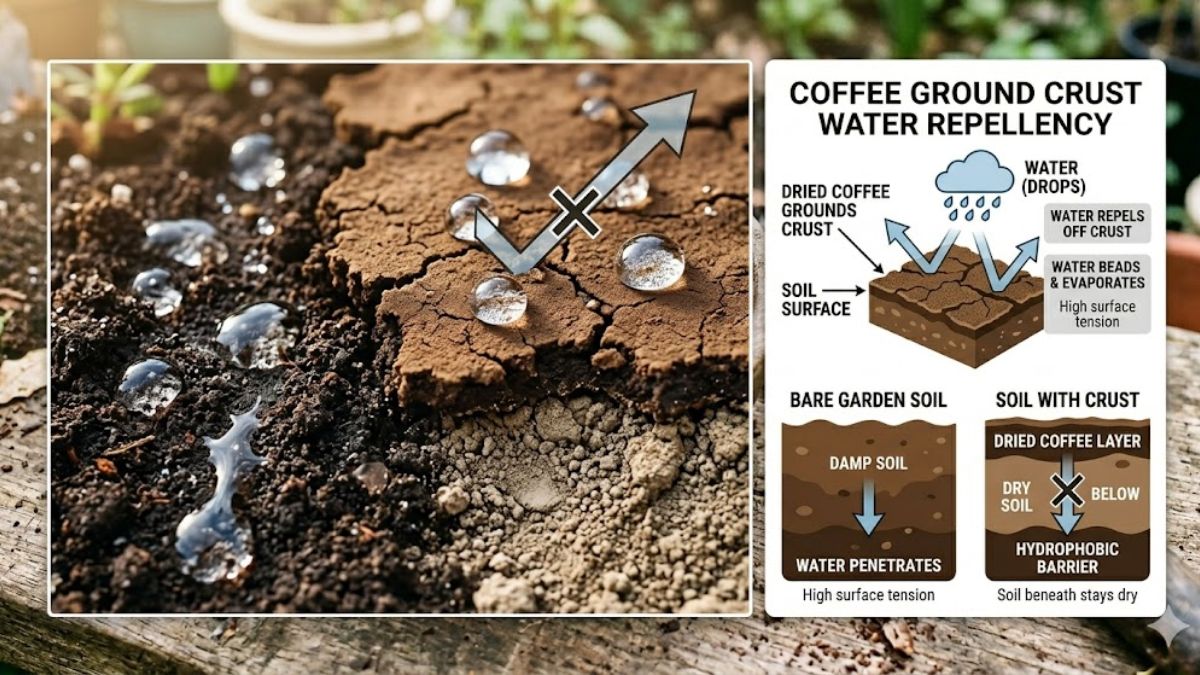
This is the number one question people search for, and the answer is: Probably not. I know, it’s tempting to just sprinkle it around like seasoning. But here is the catch: fresh or even used coffee grounds are made of very fine particles. When they get wet and then dry out, they can create a literal crust over your soil. This “caffeine-shield” actually stops water from reaching the roots.
More importantly, the process of breaking down those grounds requires energy. Microbes in the soil will start working overtime to eat the coffee, and in the process, they might actually “steal” the nitrogen from your plants to get the job done. It’s a temporary nutrient heist that can leave your seedlings looking yellow and sad.
3. The Expert Workaround: The “Smoothie” Rule
Think of your soil like a fruit smoothie. If you make a smoothie with 20 bananas and nothing else, it’s not a smoothie : it’s just a pile of mush. Coffee grounds should be a small part of a bigger diet.
To make it a complete ‘soil smoothie,’ you must balance your nitrogen-rich coffee grounds (greens) with plenty of carbon-rich materials like dried leaves, shredded cardboard, or straw (browns).
4. The Secret Sauce: Why Your Compost Bin is the Best Place
For a stylish and functional addition to your kitchen, consider using the EPICA Stainless Steel Countertop Compost Bin to manage your daily food scraps without any odors.
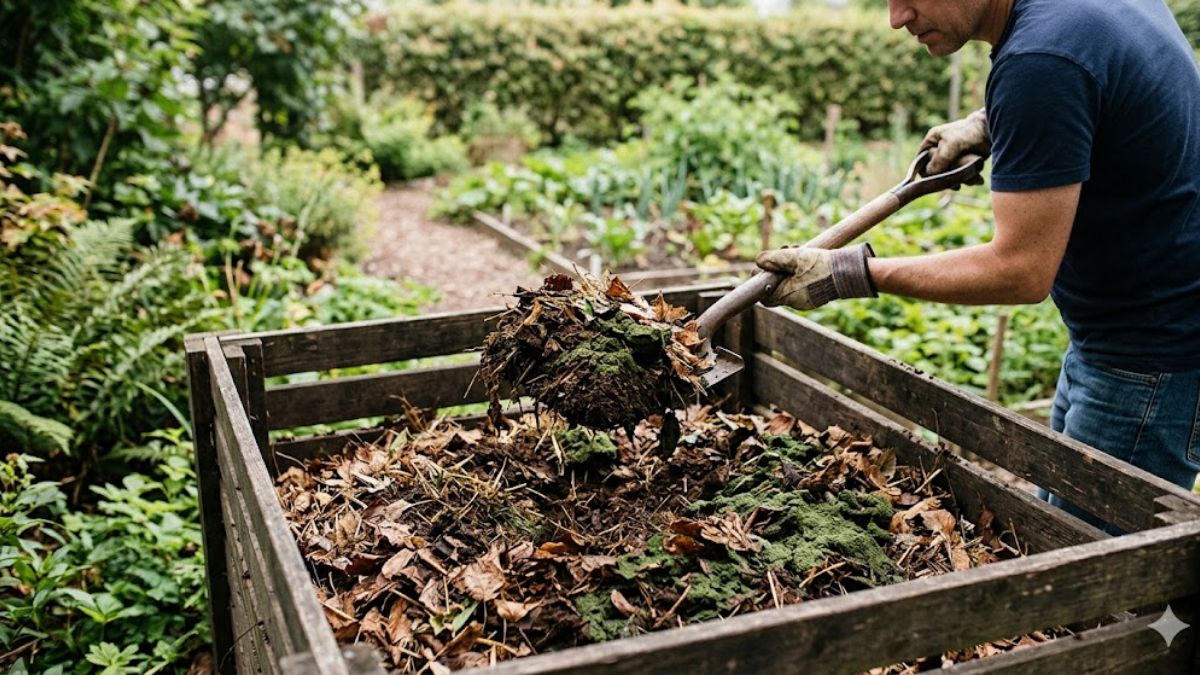
If you want to see real magic, stop putting grounds on the dirt and start putting them in your compost pile or worm farm.
For Worms: If you’re into vermicomposting, worms actually love the grit of coffee grounds. It helps them digest their “food” better.
For the Pile: Coffee grounds are considered “green” (nitrogen-rich) material. When you mix them with “browns” (like dry leaves or cardboard), you create a balanced environment that breaks down into black gold.
Read Also: Turn your other leftovers into gold with our guide on How to Turn Kitchen Scraps Into Useful Garden Fertilizer
5. Debunking the pH Myth: Will Coffee Make My Soil Acidic?
This is a classic gardening legend. We assume because coffee is acidic, the grounds must be too.
In reality, most of the acid in coffee is water-soluble : meaning it ends up in your cup, not the trash. Used grounds are usually close to pH neutral (around 6.5 to 6.8) according to this research on used coffee grounds pH levels.
So, if you’re trying to turn your hydrangeas blue or make your blueberries thrive by dumping espresso waste on them, you’re going to be disappointed. You’re better off using specialized soil acidifiers for that.
To take the guesswork out of your gardening, you can use a high-precision tool like the YAMRON 4-in-1 Digital Soil Moisture and pH Meter to monitor your soil’s health in real-time.
6. Do Coffee Grounds Keep Pests Away?
You’ll hear people swear that coffee grounds repel slugs, snails, and even cats. While the texture might be a little annoying for a soft-bodied slug, it’s rarely a “silver bullet” solution. In fact, if you leave a thick layer of damp grounds on your soil, you might actually attract fungus and mold, which is a whole different headache.
7. Best Practices for a “Luxe” Sustainable Garden
If you want to use coffee grounds like a pro, follow these simple steps to ensure your garden stays healthy and high-end:
The 10% Rule: Never let coffee grounds make up more than 10% of your total compost or soil volume. Moderation is key to maintaining the right pH balance.
Dry Them Out: If you aren’t putting them in compost immediately, spread them out to dry. This prevents unsightly mold from forming in your kitchen or storage bins.
The “Freebie” Hack: Most local cafes are happy to give away their used grounds for free. It’s a sophisticated way to source bulk organic matter for large projects without spending a dime.
Mix, Don’t Layer: If you apply them directly to the garden, scratch them into the top few inches of soil. Leaving them in a thick heap can create a water-resistant barrier that blocks moisture from reaching roots.
8. Summary: A Win for Your Garden and the Planet
At the end of the day, using coffee grounds is about circular living. Instead of sending those scraps to a landfill where they produce methane, you’re putting them back into the earth.
It’s not a miracle cure for bad soil, and it won’t replace a high-quality fertilizer, but as part of a thoughtful, slow-living approach to gardening? It’s a total game-changer. Just remember: your plants don’t want a double shot of espresso; they want a well-balanced meal.
FAQ :
1. Can coffee grounds improve soil?
Absolutely, but it’s a slow burn. Think of coffee grounds as a “long-term investment” for your dirt. They improve the tilth (the physical condition) of your soil by adding organic matter. This helps sandy soil hold onto water and helps heavy clay soil drain better. They also act as a slow-release nitrogen source, but they work best when they’ve been through a compost pile first to keep the soil chemistry balanced.
2. Are coffee grounds good for lavender plants?
Actually, no : lavender usually hates them. Lavender is a “Mediterranean soul.” It loves poor, sandy, slightly alkaline soil and absoluteley hates staying damp. Coffee grounds hold onto moisture and add organic richness that is just too “heavy” for lavender. If you put coffee around your lavender, you’re more likely to get root rot than beautiful purple blooms. Keep the coffee for your leafy greens instead!
3. Which plants don’t like coffee grounds?
Aside from lavender, there are a few other plants that prefer to skip the morning brew:
Seedlings: Caffeine (even the traces left in used grounds) can actually stunt the growth of tiny baby plants. It’s better to let them grow a bit before introducing organic waste.
Rosemary and Sage: Like lavender, these Mediterranean herbs prefer “lean” soil and don’t like the extra moisture that coffee grounds tend to trap.
Cacti and Succulents: These guys need super-fast drainage. The fine texture of coffee grounds can clog up their air pockets, leading to root rot.
Tomatoes (Compost First): While tomatoes crave nitrogen, fresh grounds can trigger a “nitrogen heist” where soil microbes steal nutrients from your plants to break down the coffee. To keep your harvest heavy and healthy, it’s always safer to compost the grounds before adding them to your tomato patch.
4. Are 2 year old coffee grounds still good?
Yes, but they’ve changed. If they’ve been sitting in a dry bag for two years, they are basically just “brown” organic matter now. Most of the nitrogen might have stabilized, and they won’t have any caffeine left.
The Warning: If they’ve been sitting wet for two years, check for blue or black mold. If they smell like a swamp, don’t put them directly on your plants : toss them into the middle of a hot compost pile to let the “good” bacteria take back over. Dry, old grounds are perfectly fine to mix into your garden beds!