
This post may contain affiliate links, If you choose to buy through these links, I may receive a small commission at no additional cost to you.
Watch the full video guide for this article here :
Why most beginner gardens fail is not because people are lazy, careless, or “bad with plants.”
Most of the time, failure happens quietly, without a clear moment where everything goes wrong.
A seed doesn’t sprout.
Leaves turn yellow.
One missed week of watering feels like a mistake you can’t recover from.
Slowly, interest fades, and the excitement you felt at the beginning starts to disappear.
The pots stay empty.
The garden becomes a reminder of something that didn’t work.
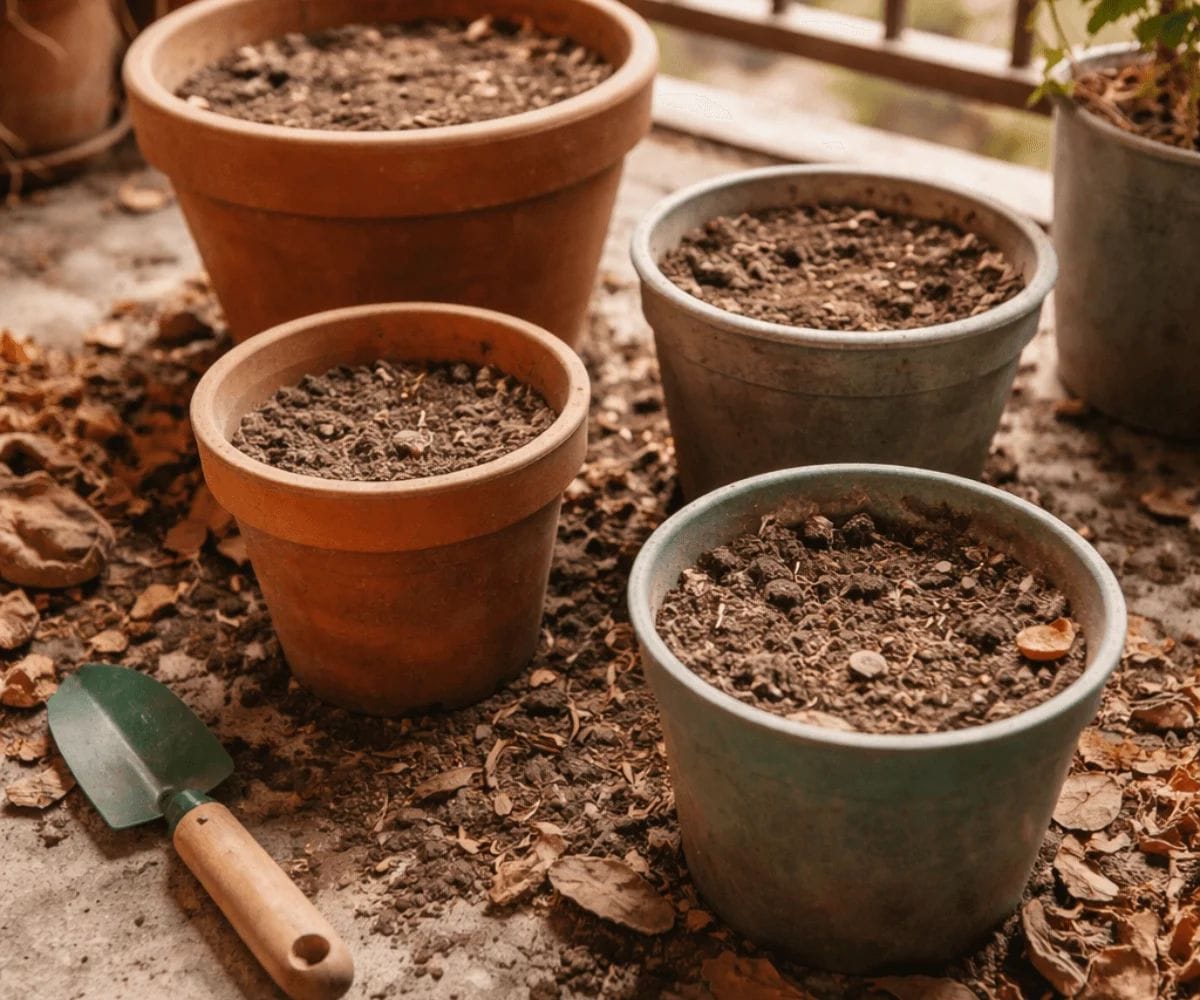
If this sounds familiar, you’re not alone.
And more importantly, nothing is wrong with you.
Most beginner gardens fail because expectations are unrealistic, advice feels overwhelming, and small mistakes feel much bigger than they really are.
This is not a guide that promises a perfect garden.
It’s about making gardening workable for real homes, real schedules, and real people.
1. Expecting Fast Results Is the First Trap
Many beginners imagine gardening as a quick reward system.
You plant something, water it, and expect visible results very soon.
A few days later, it should look alive and impressive.
That expectation quietly kills motivation.
Plants don’t follow human timelines, and they never have.
Some seeds take weeks to show signs of life.
Others grow unevenly, slowly, or in ways that don’t look exciting at first.
When nothing seems to happen, beginners assume failure.
This happens even when the plant is doing exactly what it should.
What actually helps
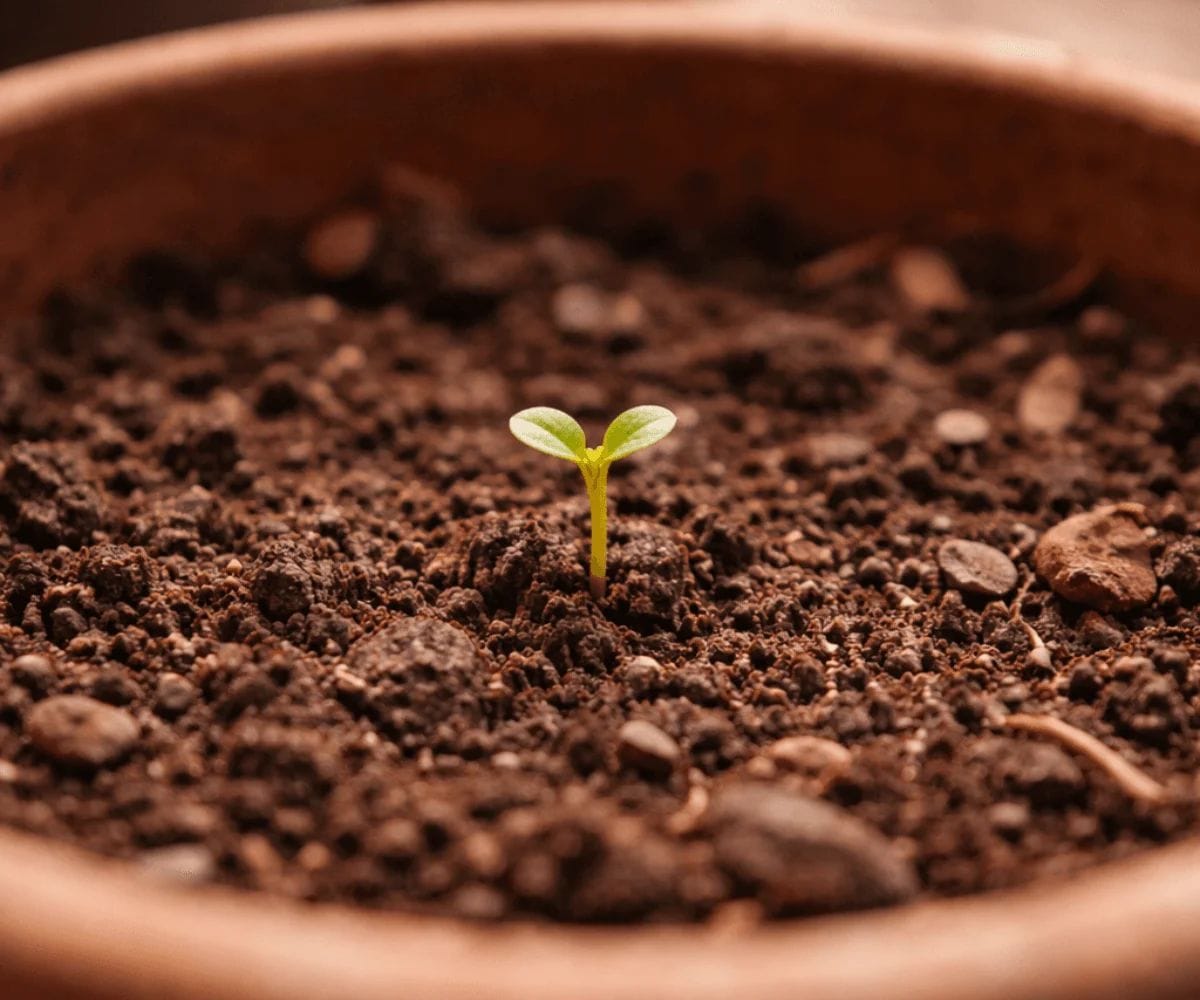
Instead of watching for fast growth, watch for small changes.
Look for soil cracking.
Notice a tiny green hook pushing upward.
See how leaves slowly adjust toward light.
Gardening works better when you expect progress, not speed.
2. Starting With the Wrong Plants
This is one of the most common reasons beginner gardens fail.
People choose plants they personally like.
They don’t choose plants that forgive mistakes.
Some plants react badly to small errors.
Miss one watering, and growth slows.
Too much sun, and leaves burn quickly.
That doesn’t mean you did anything wrong.
It simply means the plant wasn’t beginner-friendly.
It simply means the plant wasn’t beginner-friendly. Choosing easy vegetables to grow at home for beginners makes early success more likely and builds confidence.
What actually helps
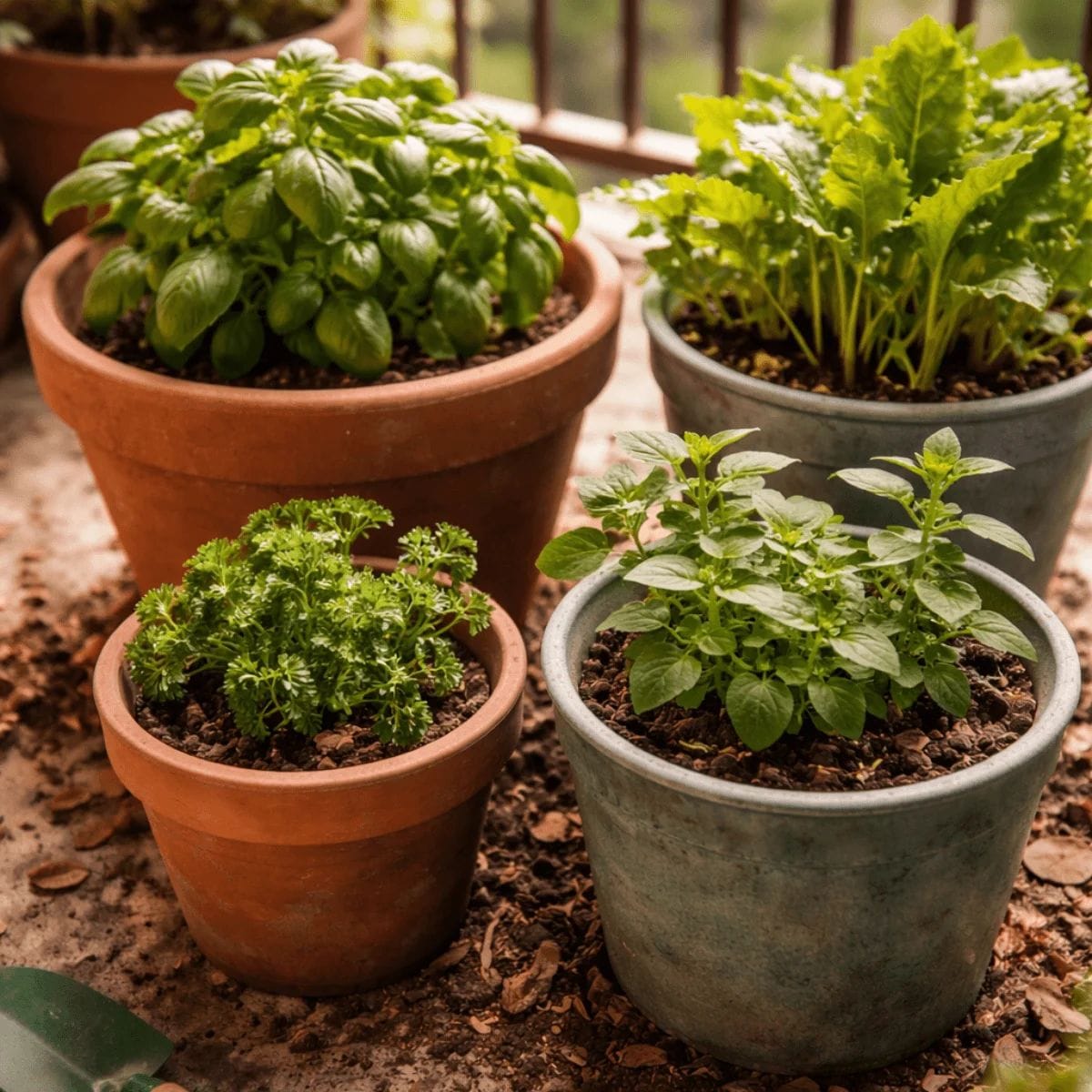
Begin with plants known for tolerance.
Choose plants that recover after stress.
Choose plants that don’t panic when conditions change slightly.
Confidence grows when plants survive small mistakes.
And confidence keeps people gardening.
3. Overwatering Feels Like Care – But It Isn’t
Most beginner gardeners lose plants through kindness.
Watering every day feels responsible and caring.
Dry soil looks alarming, especially to someone new.
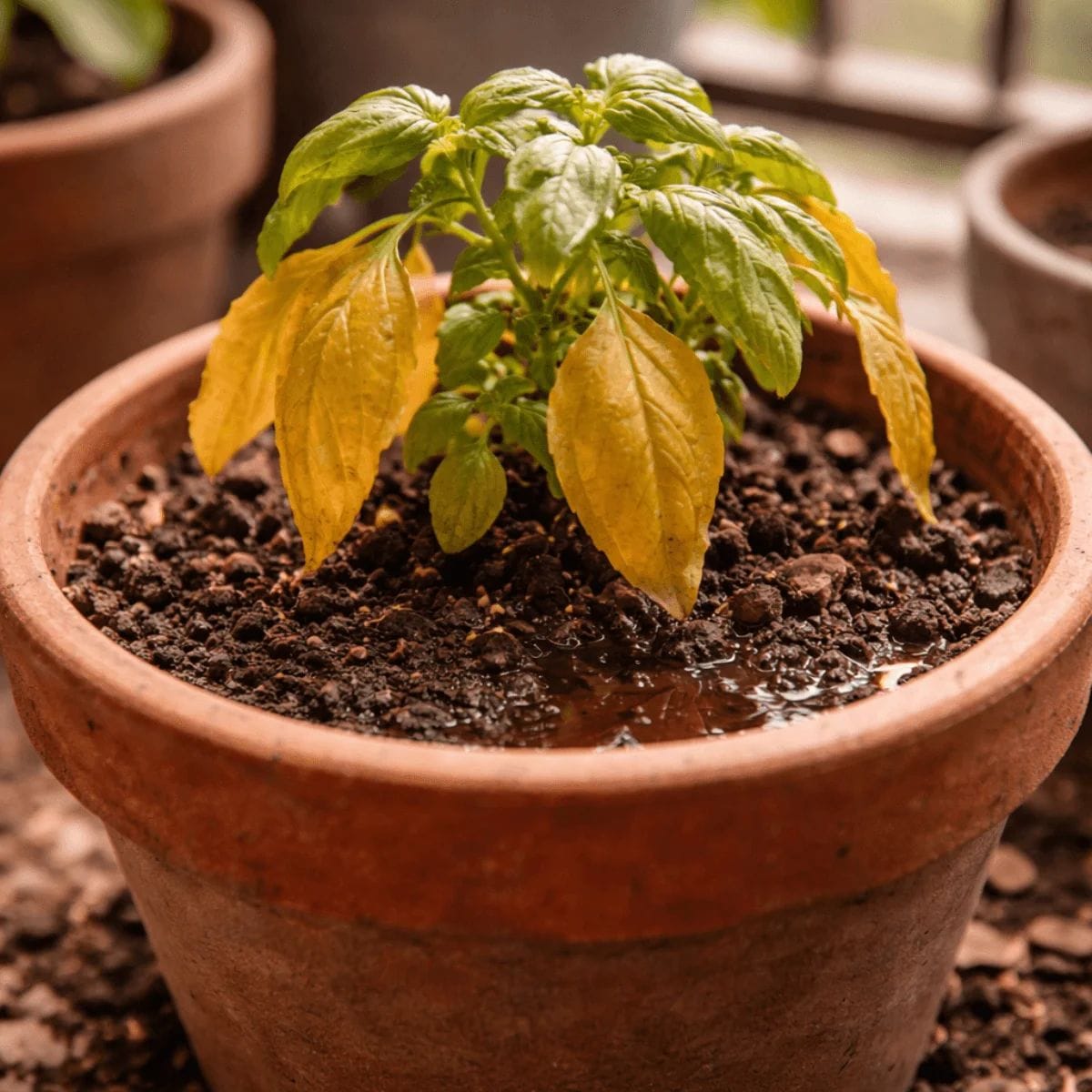
But roots need air as much as they need water.
Research from the University of Minnesota Extension also explains how overwatering limits oxygen to plant roots and slowly damages growth.
Constant moisture quietly suffocates them.
Leaves turn yellow.
Growth slows without obvious warning.
The plant looks tired, even though it’s being “cared for.”.
What actually helps
Touch the soil before watering.
If the top layer is still damp, wait another day.
Allow the soil to breathe.
Healthy roots grow in cycles of moisture and dryness.
They do not thrive in constant wetness.
4. Too Much Advice Creates Confusion
Beginner gardeners often try to follow everything they read.
Fertilizer schedules.
Pruning rules.
Soil recipes.
Sun charts.
Each tip sounds important on its own.
Together, they feel overwhelming and exhausting.
Gardening slowly becomes stressful instead of grounding.
What actually helps
Follow fewer rules at the beginning.
Focus on the basics first.
Light.
Water.
Soil drainage.
Everything else can come later.
A calm gardener makes better decisions than a confused one.
5. Soil Is Ignored Until It’s Too Late
Beginner gardens often focus heavily on seeds and plants.
Soil is treated like an afterthought.
But soil is where most problems actually begin.
Hard soil holds water too long.
Poor soil drains too fast.
Nutrient-poor soil slows growth quietly.
Plants struggle even when everything else seems right.
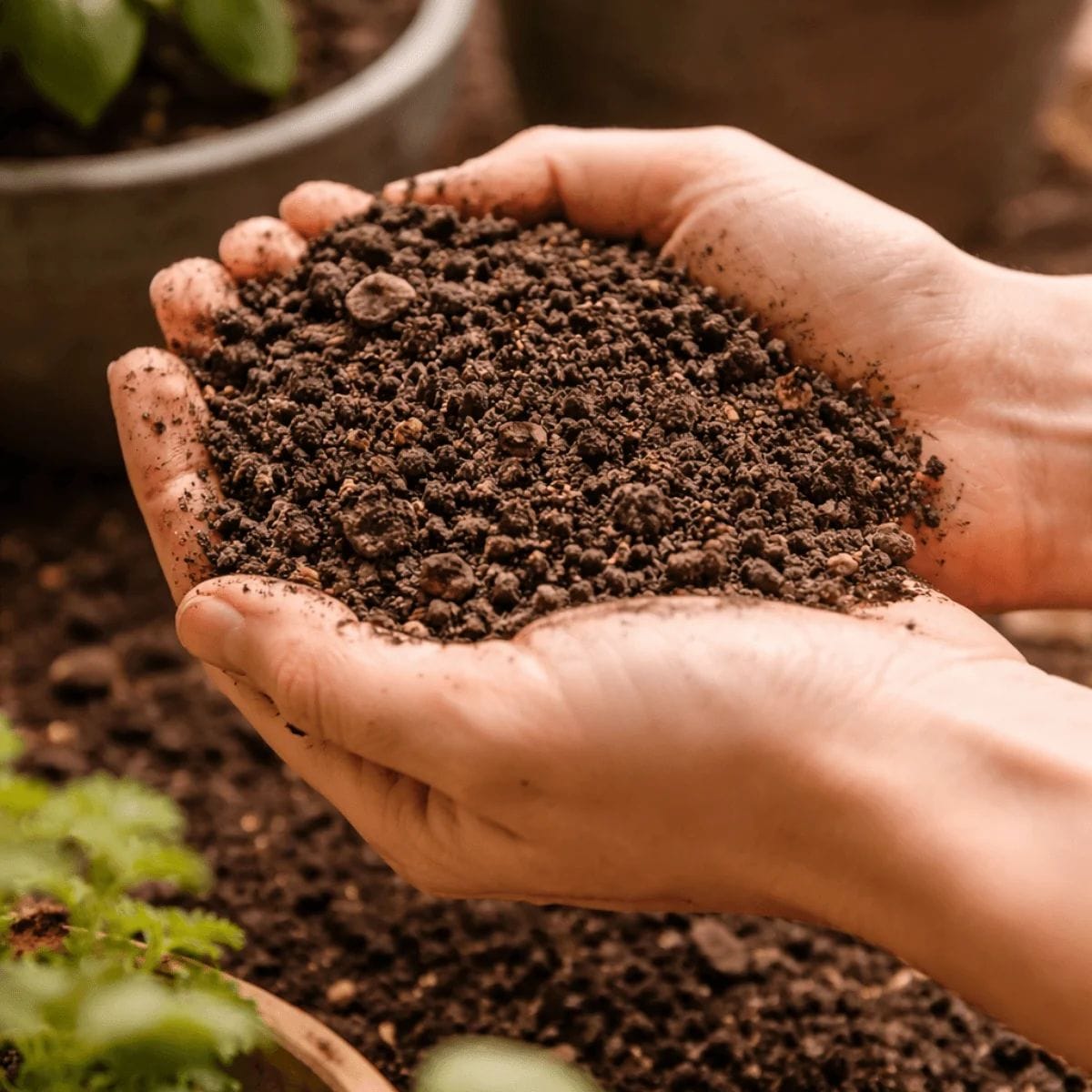
What actually helps
Good soil doesn’t need to be expensive.
Organic coconut coir seed-starting mix helps retain moisture while providing airy support for strong and healthy root growth.
It needs to be loose and breathable.
It needs to drain well.
It needs to support roots, not trap them.
Healthy soil forgives small mistakes better than poor soil ever will.
6. Gardening Is Treated Like a Task, Not a Habit
Many beginner gardens fail because gardening feels like a project.
Something you finish.
Something you only get to when time feels spare.
Plants, however, respond best to gentle consistency.
They don’t respond well to effort bursts.
What actually helps
Attach gardening to something you already do.
Water plants while making morning tea.
Check leaves during an evening walk.
Small moments, repeated often, build strong gardens over time.
Small moments, repeated often, build strong gardens over time. This is why growing herbs at home fits easily into daily routines without pressure.
7. Weather Is Blamed for Everything
Too hot.
Too cold.
Too much rain.
Too little sun.
Weather becomes the easy explanation when things don’t work.
While weather does matter, most beginner garden failures come from lack of adjustment.
Not from conditions alone.
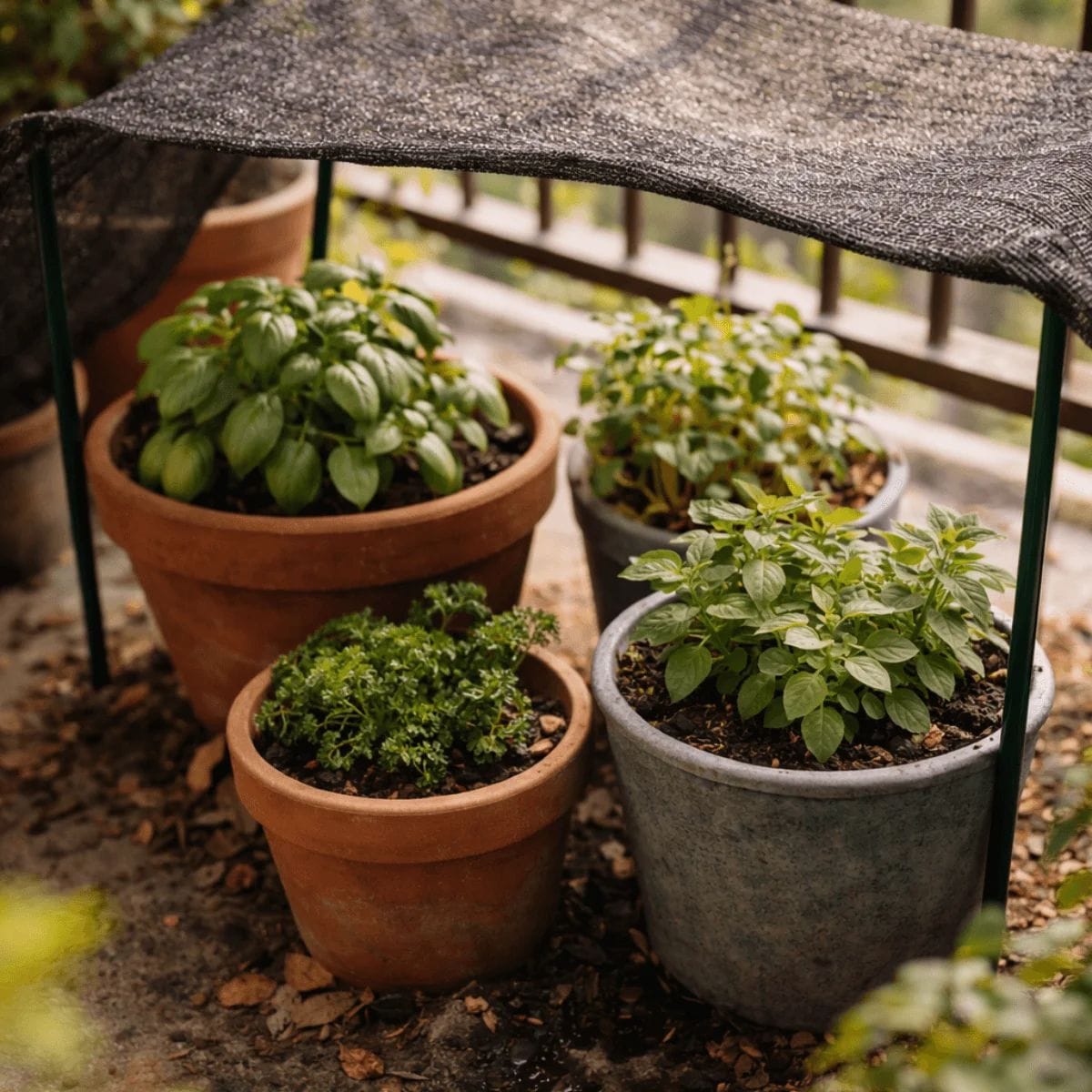
What actually helps
Move containers when possible.
Move containers when possible, or build a pallet garden that allows better airflow and sun control.
Provide shade during extreme heat.
Improve drainage during heavy rain seasons.
Gardening isn’t about control.
It’s about small, thoughtful responses.
8. Comparing Your Garden to Others
Social media quietly ruins beginner gardens.
Perfect rows.
Full harvest baskets.
Healthy plants in every photo.
Real gardens are messier than that.
Some plants thrive.
Others fail.
That is completely normal.
What actually helps
Compare your garden only to its past version.
Did something survive longer than last time?
Did you understand one mistake better?
That is real progress.
9. Giving Up After the First Failure
This is where most beginner gardens truly end.
Not with dead plants.
But with discouragement.
Failure feels personal, especially in the beginning.
But in gardening, failure is information.
Every lost plant teaches something valuable.
Timing.
Watering.
Placement.
Soil awareness.
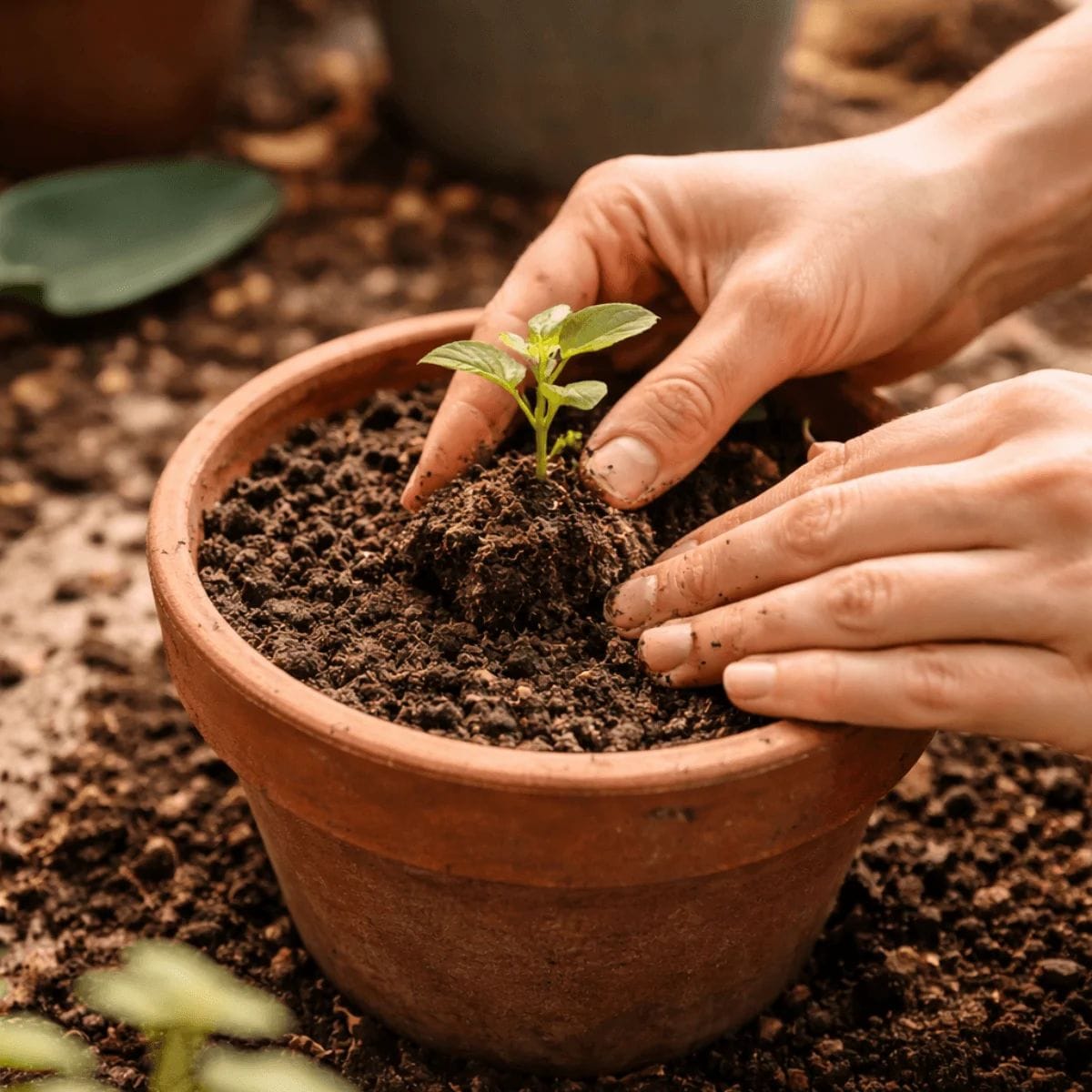
What actually helps
Replant quickly.
Don’t wait for motivation to return.
Momentum matters more than perfection.
How to Make Your Beginner Garden Work (Without Pressure)
A complete 9-piece garden tool set provides all the essential tools beginners need for easy planting, digging, and daily garden care.
You don’t need better tools.
You don’t need perfect weather.
You don’t need expert knowledge.
You need forgiving plants.
Simple routines.
Patience with slow progress.
And a willingness to adjust.
Gardening works best when it fits your life.
Not when your life bends around gardening.
A Final Thought Before You Give Up
A beginner garden failing doesn’t mean gardening isn’t for you.
It simply means your first attempt taught you something.
The second attempt feels lighter.
The third feels familiar.
And one day, without planning it, you notice something growing steadily.
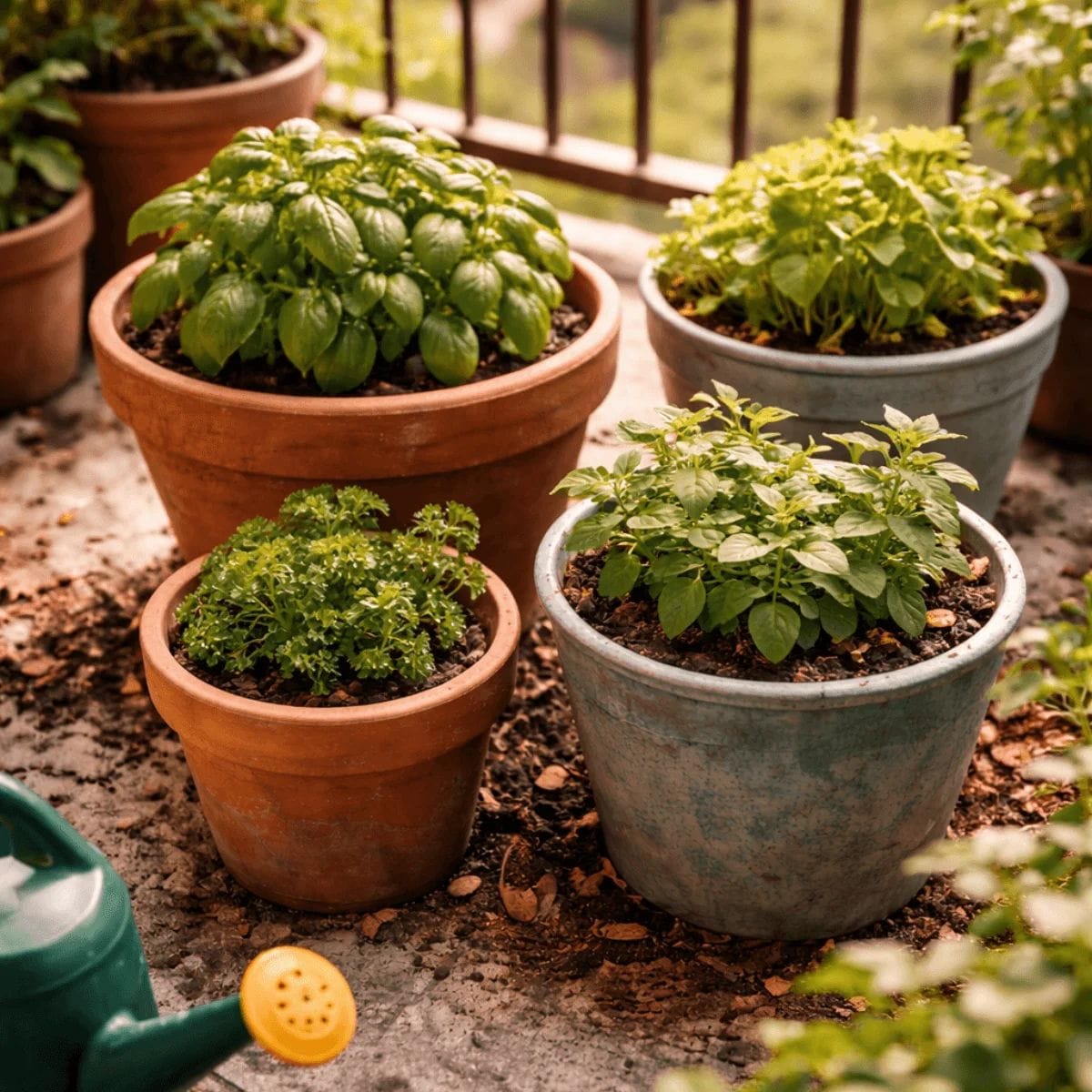
Both in the soil.
And in your confidence.
That is usually when gardening finally starts working.