
This post may contain affiliate links, If you choose to buy through these links, I may receive a small commission at no additional cost to you.
How to turn kitchen scraps into useful garden fertilizer was something I discovered almost by accident.
For years, vegetable peels, fruit skins, and leftover tea leaves went straight into the trash without a second thought. It felt normal. Everyone around me did the same.
One day I noticed how quickly the garbage bin filled up, especially after cooking fresh meals. That small observation slowly led to a simple habit : saving a few scraps instead of throwing everything away.
It did not begin as a sustainability goal. It began as curiosity.
And surprisingly, those small scraps started helping my plants grow better than store-bought fertilizers I had been using before.
Learning how to turn kitchen scraps into useful garden fertilizer slowly changed the way I looked at everyday food waste.
1. Why Kitchen Scraps Work So Well
Most kitchen leftovers already contain nutrients plants need: nitrogen from vegetable peels, potassium from fruit skins, and minerals from coffee grounds and eggshells.
Instead of spending money on packaged fertilizers, these everyday leftovers quietly return nutrients back to the soil.
The process feels natural, almost circular. Food grows from soil, nourishes us, and then a small part of it returns to the soil again.
Plants seem to respond well to this gentle feeding.
According to environmental sustainability research, composting kitchen waste helps return essential nutrients to the soil and reduces landfill waste.
2. The Easiest Scraps to Start With
Not every scrap needs complicated composting. Some can be used directly with simple preparation.
Common beginner-friendly scraps include:
Vegetable peels
Fruit skins
Tea leaves
Coffee grounds
Crushed eggshells
Leftover cooked rice (small quantities)
Starting with just one or two types keeps the habit simple and manageable.
If you are new to gardening, starting with easy home-growing methods can make the process much simpler for beginners.
3. A Simple Habit That Made a Big Difference
In the beginning, I kept a small container near the sink. Nothing fancy : just a bowl that collected daily peels while cooking.
At the end of the day, those scraps went either into a small compost container or directly into the soil after basic preparation.
It took less than two minutes, yet over time the amount of kitchen waste going into the garbage reduced noticeably.
Even small balcony plants started showing healthier leaves.
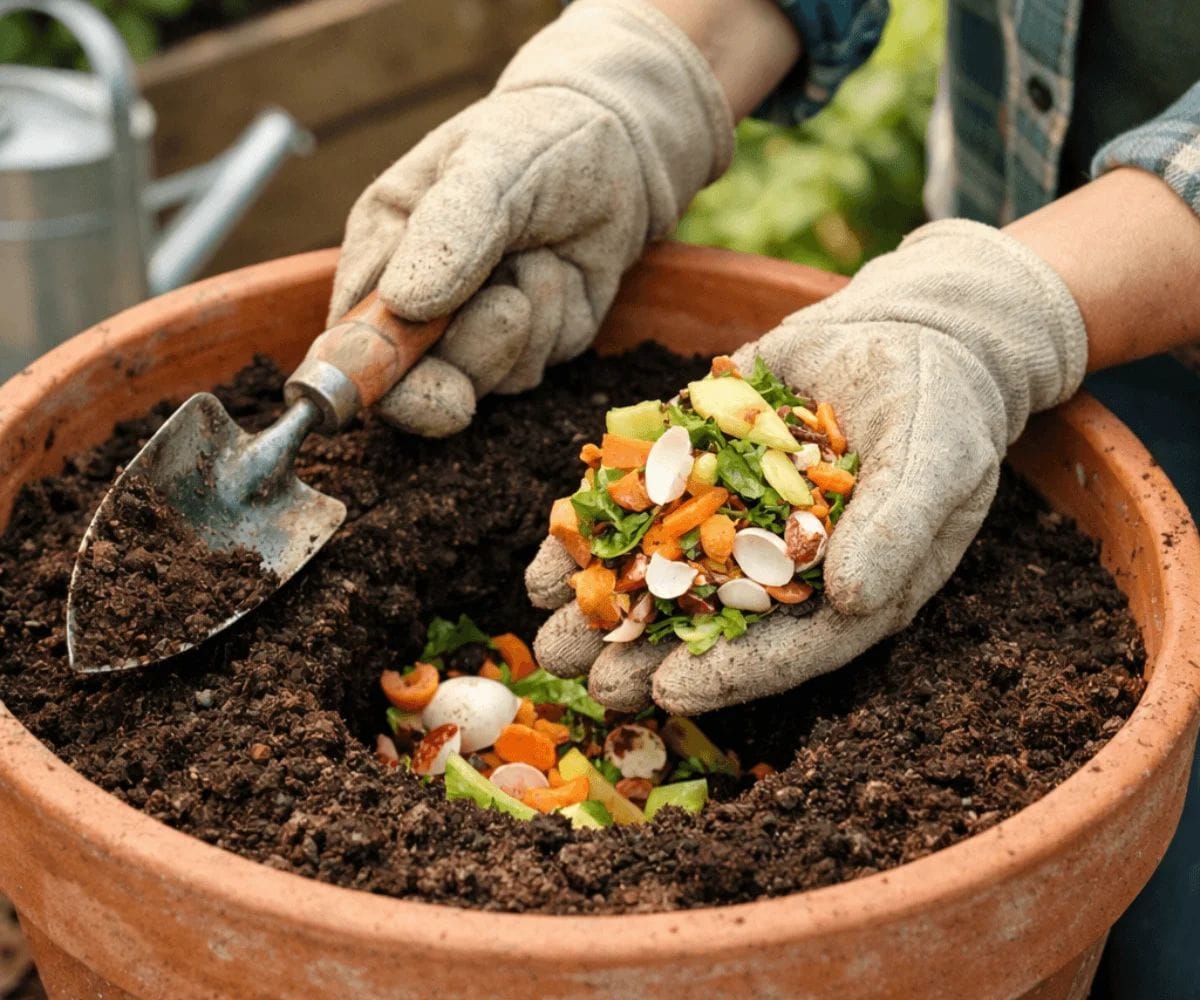
4. Direct Soil Method (Fastest Method for Beginners)
This method works well if you prefer something quick without building a compost setup.
Chop vegetable or fruit scraps into smaller pieces.
Dig a small hole near the plant roots (not touching the roots directly).
Place scraps inside and cover completely with soil.
Water lightly.
Within a few weeks, the scraps naturally break down and enrich the soil.
The key is covering them fully so pests are not attracted.
Over time, I realized that how to turn kitchen scraps into useful garden fertilizer is not complicated and works even for small balcony gardens.
A compact easy-clean countertop compost bin helps you collect everyday kitchen scraps neatly without odor or mess.
5. Compost Jar Method for Small Homes
If you live in an apartment or prefer a cleaner method, a small compost jar works surprisingly well.
A simple container with a lid can hold daily scraps. Add a small amount of dry material like shredded paper or dry leaves to reduce odor and help decomposition.
Every few days, the semi-decomposed mixture can be transferred to garden soil.
This approach works especially well for balcony gardens.
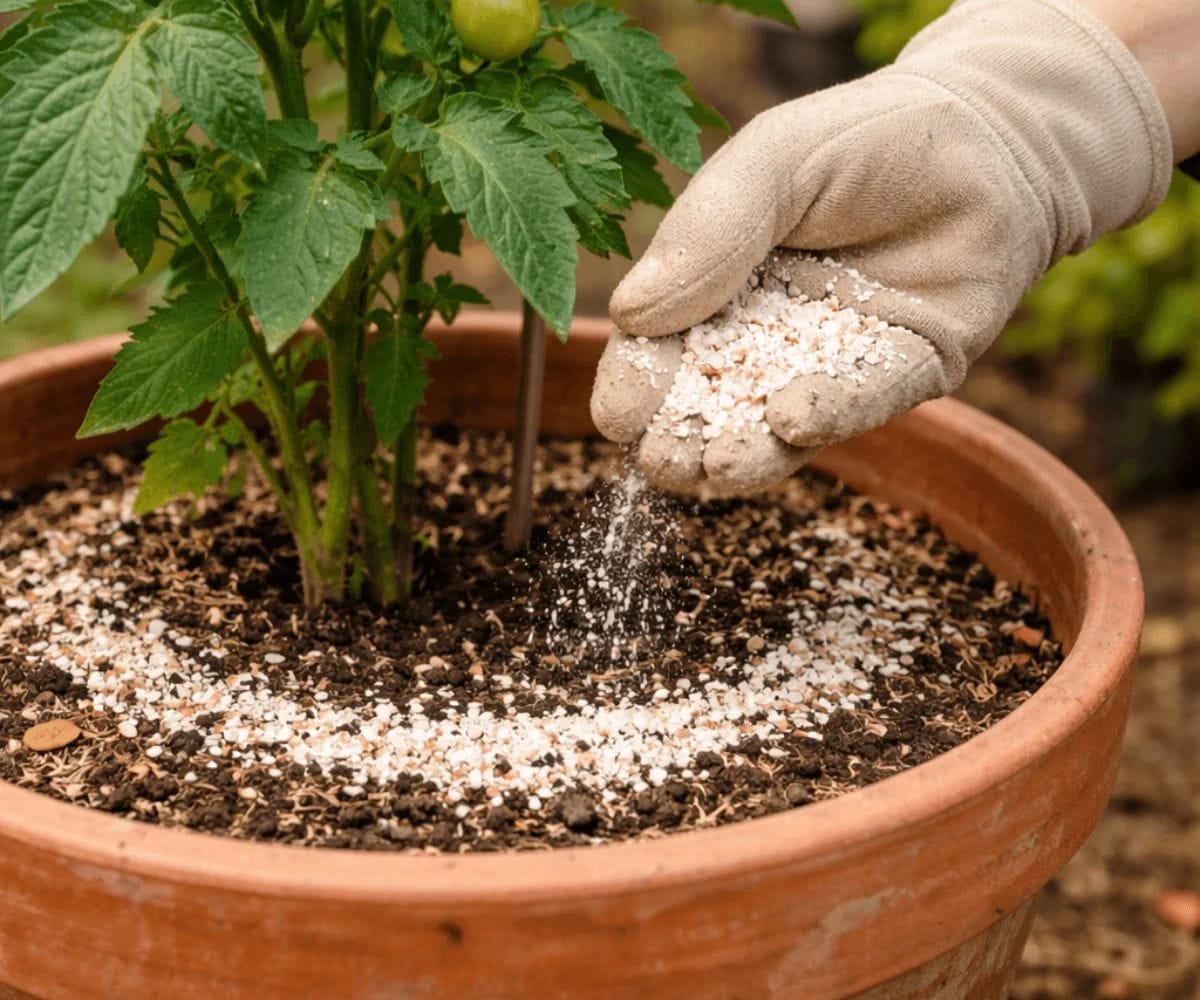
6. Eggshell Fertilizer That Plants Love
Eggshells often go unnoticed, yet they contain calcium, which helps plant root strength.
Instead of throwing them away:
Wash eggshells lightly
Let them dry
Crush into powder
Sprinkle around plants
Over time, the calcium slowly releases into the soil.
This simple step noticeably helped my tomato and herb plants grow stronger stems.
7. Liquid Scrap Fertilizer (Nutrient Water)
Another easy technique is creating nutrient water from scraps.
Place vegetable peels or fruit skins in a container filled with water and leave it covered for two to three days. The water absorbs mild nutrients.
Strain the liquid and use it to water plants once a week.
It is gentle, natural, and especially useful for indoor plants.
The first time I tried this, I expected little change. But within weeks, the leaves looked brighter and healthier.
8. Mistakes That Slow Down the Process
Some small mistakes can create odor or attract insects, especially in warm climates.
Avoid these:
Leaving scraps uncovered
Adding oily or heavily cooked foods
Throwing large chunks without chopping
Keeping compost too wet without dry material
Simple adjustments usually fix most problems quickly.
9. How This Habit Changes the Way You See Waste
After a few months, the kitchen trash itself starts looking different.
Peels no longer feel like garbage. They feel like plant food waiting to be used.
This small mental shift quietly reduces household waste without needing strict rules or major lifestyle changes.
Many people begin gardening thinking fertilizer must come from stores. Over time, it becomes clear that the kitchen already provides much of what plants need.
10. Small Gardens Benefit the Most
Large farms require large-scale solutions, but home gardens respond quickly to small natural inputs.
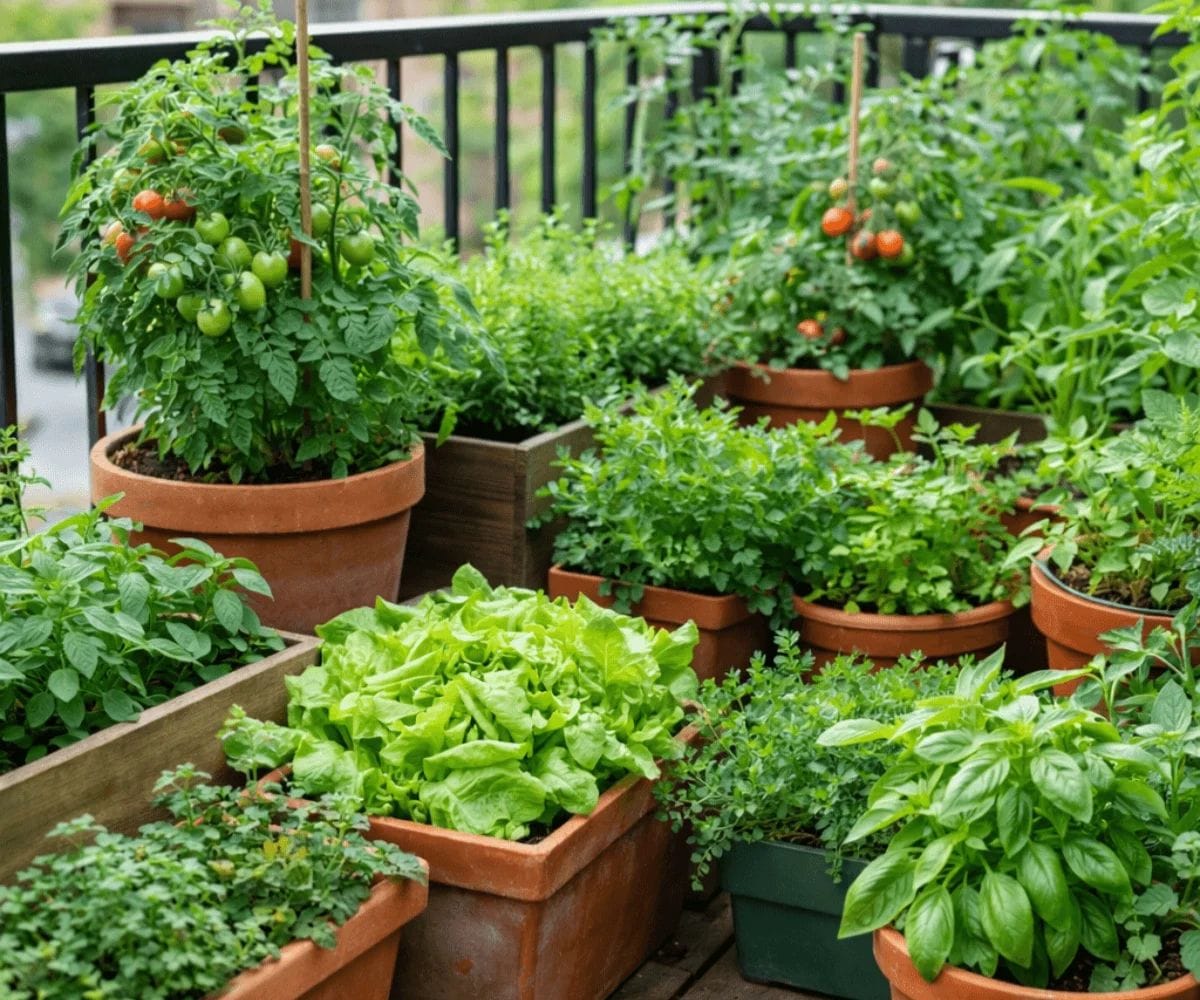
Even a few pots on a balcony show improvement when fed regularly with organic scraps.
Herbs often grow fuller. Leafy plants maintain better color. Soil texture slowly becomes softer and easier to work with.
The change is gradual, not dramatic overnight, but consistent enough to notice.
Many small-space gardeners also combine this method with simple container gardening techniques to improve plant growth.
If you want composting to feel effortless from day one, using a simple countertop compost bin makes the process clean and convenient.
11. Turning It Into a Daily Routine
The easiest way to maintain this habit is linking it with cooking routines.
Each time vegetables are cut, scraps go into the same container. At the end of the day, they move to soil or compost. No extra planning needed.
Once the routine settles in, it feels less like an eco-friendly effort and more like a normal part of cooking.
That quiet consistency matters more than complicated compost systems that are difficult to maintain.
12. Cost Savings That Add Up Slowly
Store-bought fertilizers are not always expensive individually, but over months and years the cost adds up.
Using kitchen scraps reduces the need for frequent purchases while improving soil quality naturally.
For beginner gardeners especially, this method keeps gardening affordable and accessible.
It removes the feeling that gardening requires constant spending.
13. A Simple Start Anyone Can Try
Starting does not require special tools, large gardens, or detailed knowledge.
A small container, a bit of soil, and everyday kitchen leftovers are enough.
The first few attempts might feel messy or uncertain, but plants rarely demand perfection. They respond to consistency more than precision.
Many gardeners eventually realize that the healthiest gardens often grow from simple repeated habits rather than complex techniques.
14. When Everyday Waste Starts Growing New Life
There is a quiet kind of satisfaction in watching something that once looked like waste slowly turn into new life.
It does not happen overnight, and there is no dramatic moment when everything suddenly changes. But week by week, plants begin to look fuller, leaves appear brighter, and the soil feels richer in your hands.
Kitchen scraps that once filled the trash slowly become part of a different routine — one that connects everyday cooking to the growth happening just outside your window or on a small balcony.
And somewhere along the way, a simple question begins to appear:
If such small leftovers can create this much change, what other everyday habits could quietly transform the way we grow our food at home?