This post may contain affiliate links, If you choose to buy through these links, I may receive a small commission at no additional cost to you.
I’ll be honest : standing in my backyard last July felt like watching a slow-motion car crash.
I was looking at my tomato plants, and it was painful.
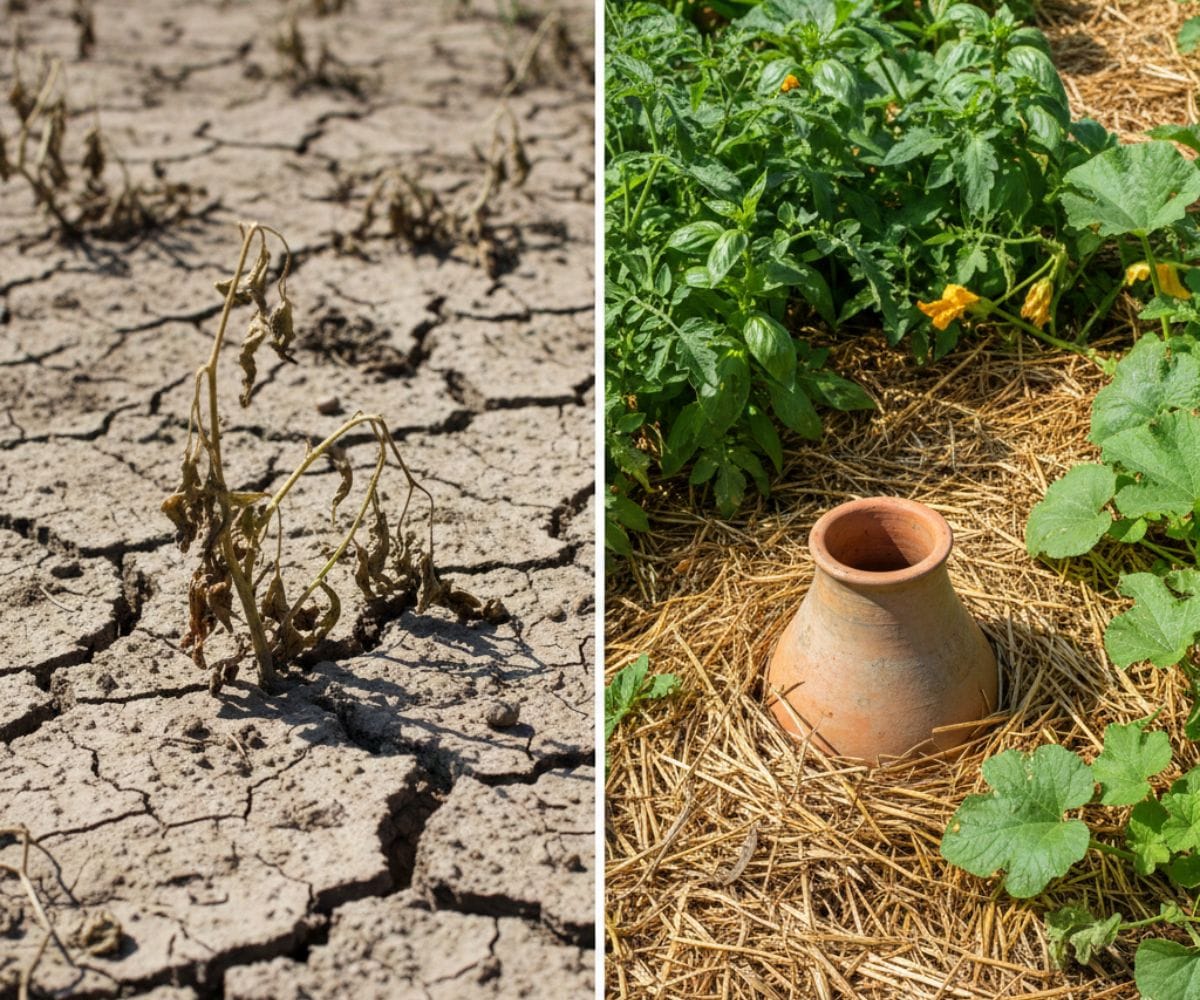
They didn’t even look like plants anymore; they looked like bits of burnt paper, just curled up and waiting to die.
The sun that year? “Brutal” doesn’t even cover it.
I remember looking at the soil and seeing cracks so wide I could literally stick my finger into the ground.
It was heartbreaking. And then the water bill hit. It was actually more expensive than my entire monthly grocery budget.
I was ready to quit. I told my wife that gardening was becoming a luxury we just couldn’t afford anymore.
But then, I went for a hike in a forest nearby and something just clicked.
I realized that nobody out there is walking around with a garden hose. Nobody is paying for that water.
Yet, those trees were vibrant and green even though it hadn’t rained for weeks.
Nature has this “hidden code,” and I spent the whole last year trying to crack it for my own backyard.
I call it Climate Smart Gardening, and it completely changed my perspective on sustainable living.
The results? They genuinely blew my mind.
I’m now pulling more food out of my garden than ever before, but my water usage has dropped by 50%.
If you’re tired of seeing your hard work turn into dry, brown sticks every summer, you need to hear this.
It’s time to stop fighting the heat and start outsmarting it.
You don’t need a fire hose to have a lush garden; you just need to be a little smarter than the sun.
1. How to grow vegetables with less water?
Here is the one big mistake I was making and I bet you are too.
I used to spend every evening spraying my plants. I honestly believed I was doing everything right for my plants.But leaves don’t drink. Roots do.
To master Climate Smart Gardening, you have to fix your timing and your target to ensure water reaches where it matters most.
When you spray your garden in the heat of the day, most of that water just… poof. It vanishes into thin air before it even dampens the soil.
If you want to grow vegetables with less water, you have to fix your timing and your target.
I started forcing myself out of bed at 6:00 AM. Why? Because by 10:00 AM, the sun becomes a thief.
It steals your water through evaporation. Early morning watering lets your plants have a deep drink before the furnace turns on.
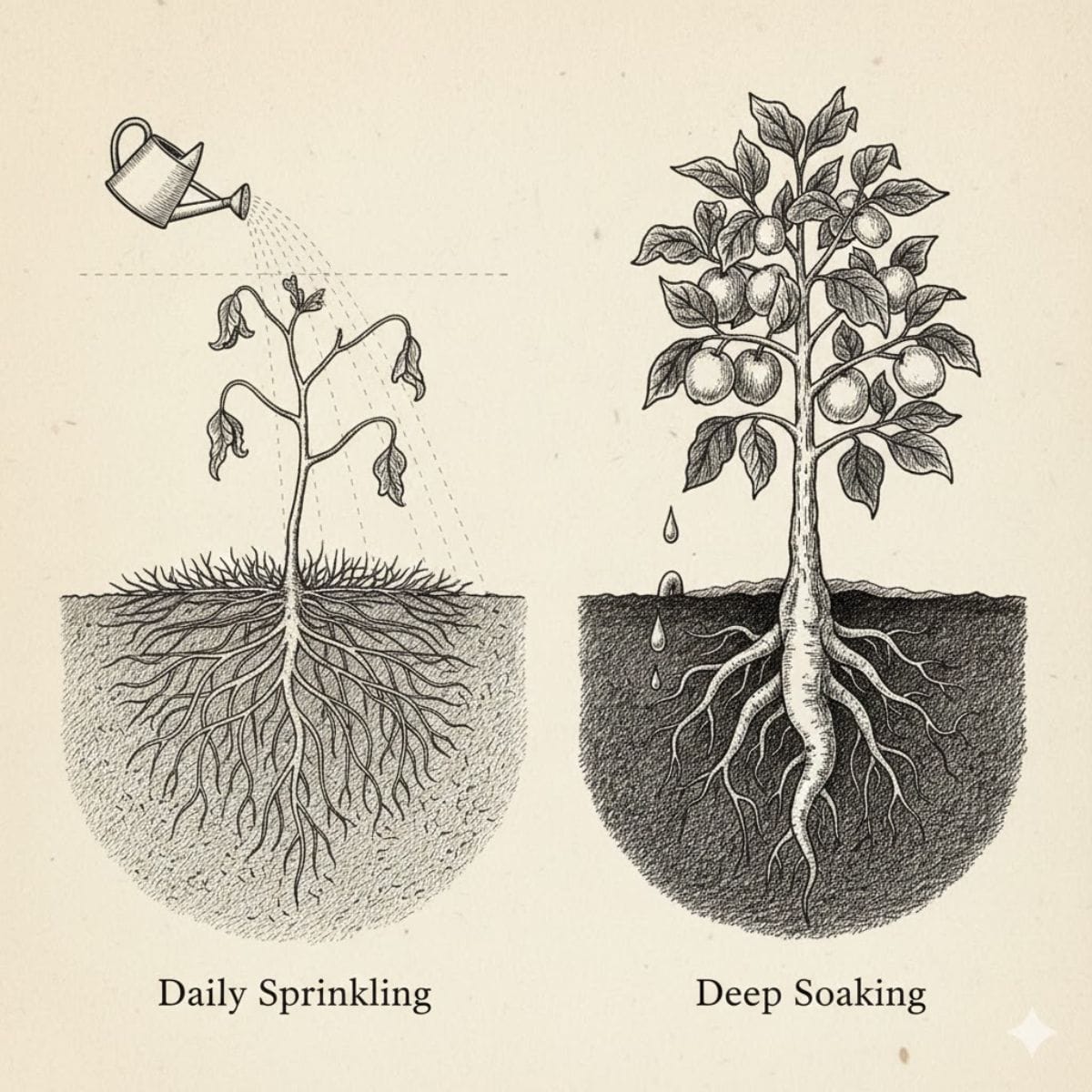
And please, for the love of your plants, stop that “5-minute daily sprinkle.” It’s actually worse than no water at all.
It keeps the roots right at the surface where they literally get baked by the sun.
I changed my strategy to a heavy, deep watering just twice a week. I just leave the water running very, very slowly for a long time.
This forces the roots to go deep way down into the cool, dark earth to find moisture.
Deep roots make for a tough, “climate-smart” plant that doesn’t panic the moment the sun comes out.
Teach your roots to hunt for water deep underground instead of waiting for a daily handout.
2. What crops grow well in less water?
Let’s be real : some plants are just water addicts.
If you’re in a dry area, you just can’t grow everything. You have to pick the “fighters.”
Picking the right plants is the first step to being successful with Climate Smart Gardening in dry regions.
I stopped trying to force thirsty, pampered hybrids and started looking at what people were growing thousands of years ago in deserts.
Mediterranean herbs like Rosemary and Thyme are absolute legends. They actually taste better and smell stronger when they’re a little thirsty.
Legumes were my biggest surprise. Chickpeas and certain beans are incredibly resilient.
Then there’s Swiss Chard. While my spinach was literally melting into a green puddle in the heat, the Chard was standing tall and proud like nothing was happening.
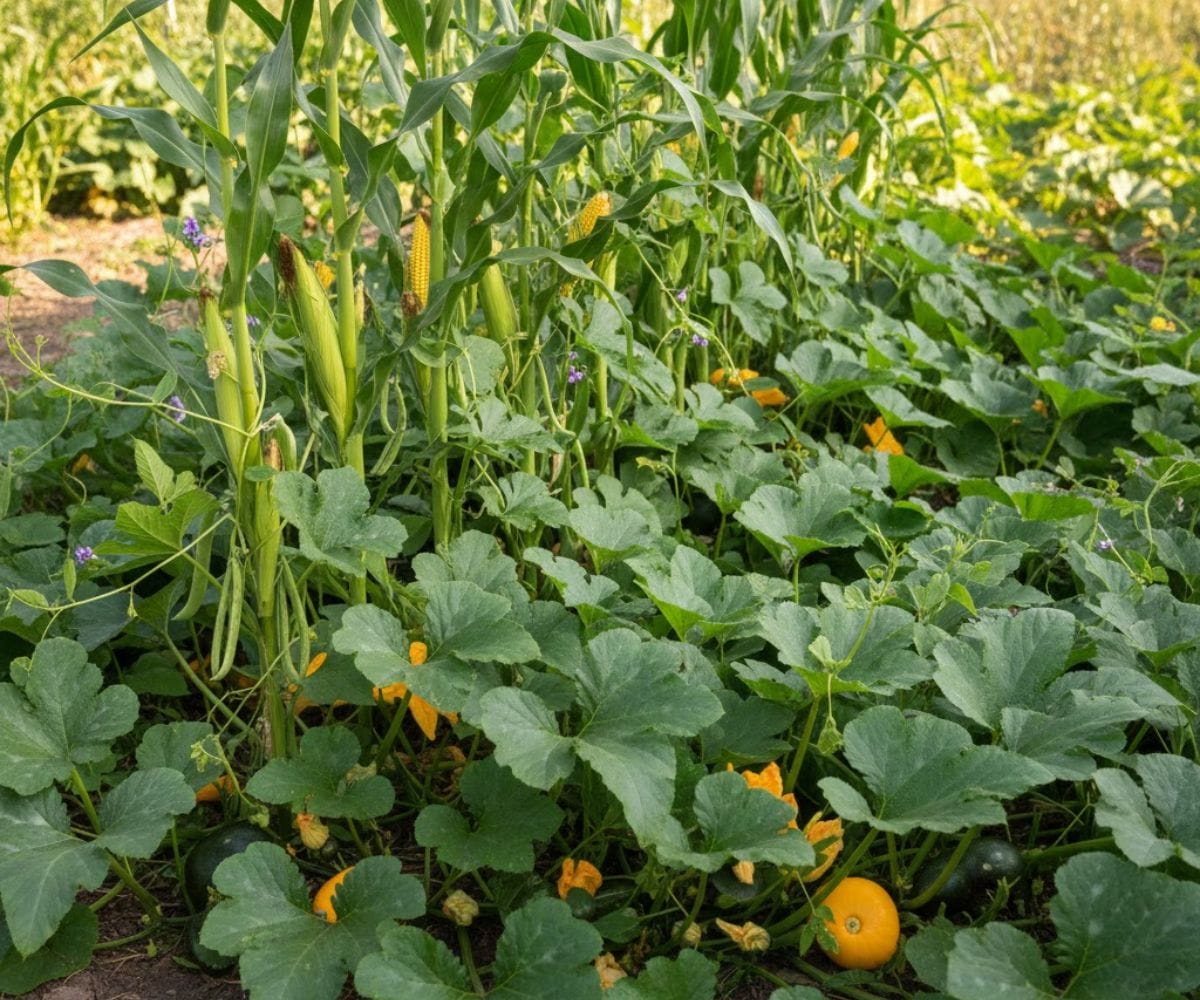
And if you haven’t tried the “Three Sisters” method (Corn, Beans, and Squash), you’re missing out on nature’s best trick.
You can learn more about the history of the Three Sisters (agriculture)method to see how ancient wisdom still helps us today.
Those giant squash leaves act like a living umbrella, keeping the soil shaded and cool for the others. It’s brilliant.
Nature’s own mulch: The “Three Sisters” protect the soil from the sun for free.
3. What vegetable needs the least amount of water to grow?
If I had to nominate one plant for the “Survivor” hall of fame, it’s Okra.
People ask me all the time, what vegetable needs the least amount of water to grow, and my answer never changes: Okra.
It doesn’t just tolerate the heat; it actually seems to enjoy it. The hotter it gets, the more it produces. Plus, its deep taproot is like a drill looking for water.
I’m also obsessed with the Tepary Bean. These have been grown in the desert for centuries. They actually get confused and produce less food if you give them too much water. They are the ultimate “set it and forget it” crop for the dry season.
4. What crop varieties to ensure better yields with less water?
This is the “secret sauce” most people miss.
Most seeds at big stores are bred for industrial farms with infinite water.
If you want to win, you have to look for what crop varieties to ensure better yields with less water specifically.
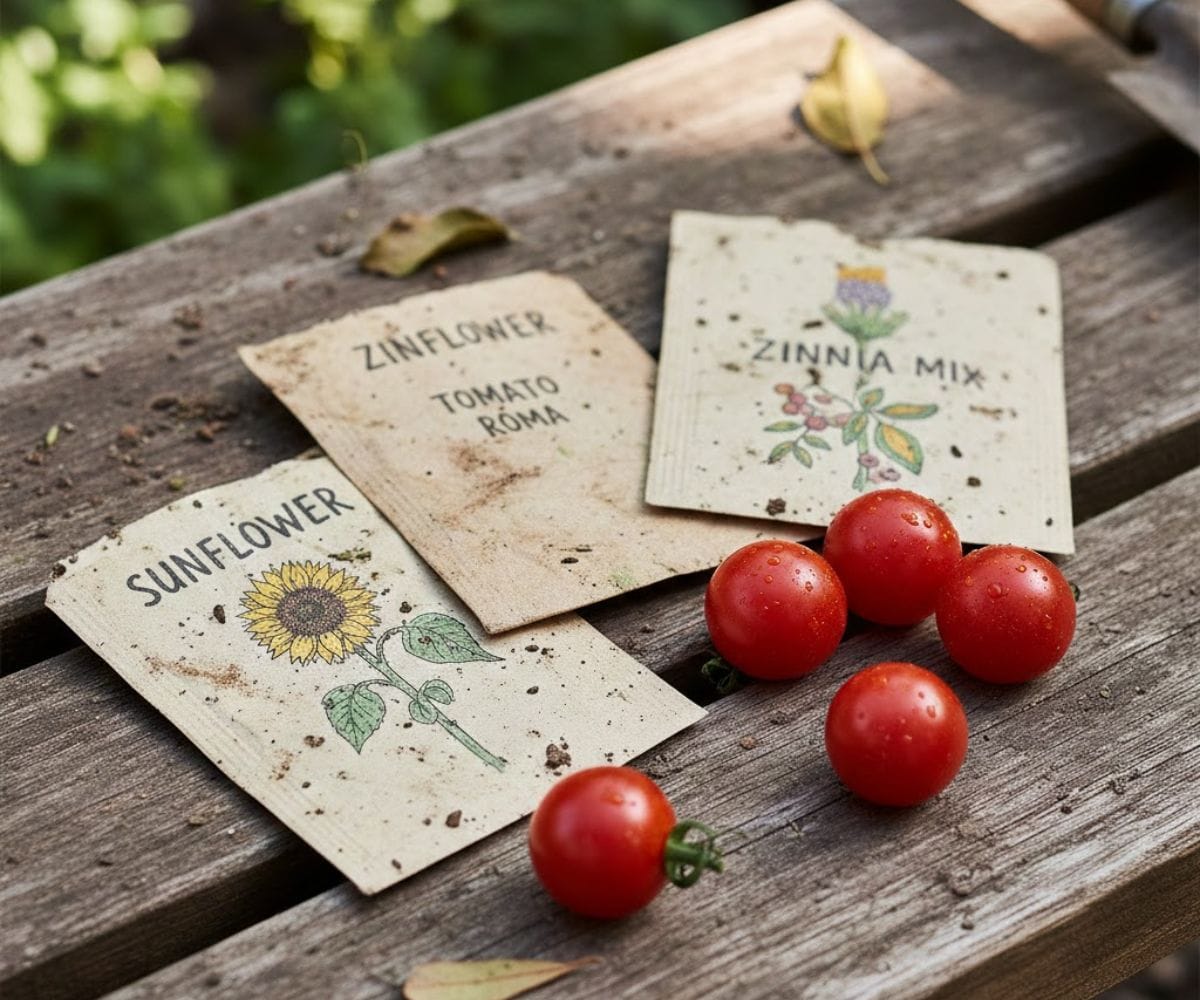
I only look for “Heirloom” or “Drought Tolerant” on the labels now.
Take the Stupice Tomato. It’s a small tomato from Czechoslovakia that just doesn’t care if the weather gets weird.
It keeps pumping out fruit when the fancy hybrids are giving up.
Or Black Diamond Watermelons – they have a thick, tough skin that keeps the juice inside where it belongs.
Look for seeds that come from dry, hot places like Italy, Greece, or the American Southwest.
Genetics matter more than any fancy bottle of fertilizer.
Don’t just buy any seeds; look for the “survivors” built for tough times.
5. The “Sponge” Strategy: Fixing Your Soil
You can have the best seeds, but if your soil is hard like a sidewalk, water just bounces off it.
I spent a whole season turning my soil into a sponge. The secret? Compost. And I mean lots of it.
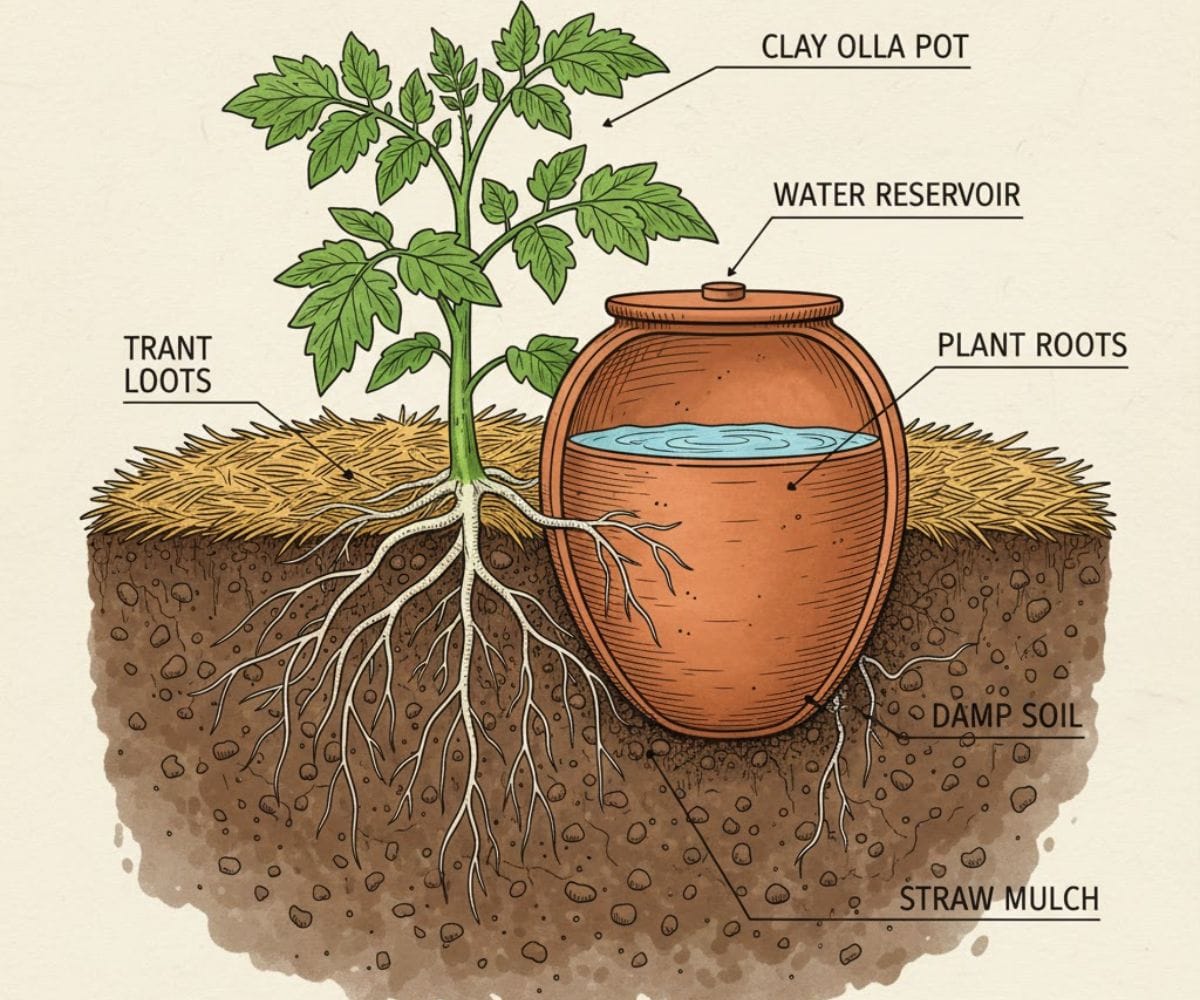
Compost creates these tiny air pockets that hold onto water like a hidden reservoir.
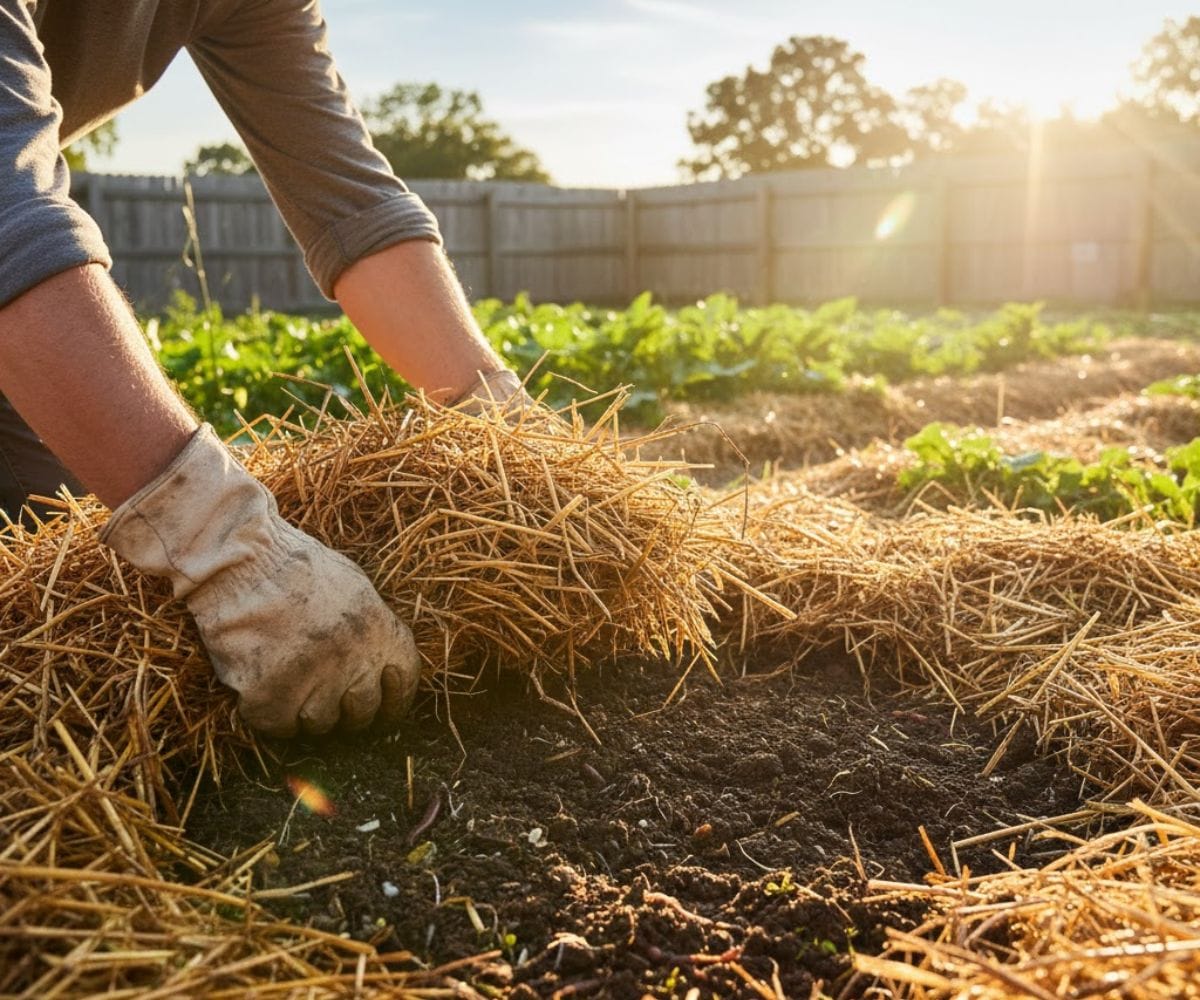
And I never, ever leave my soil “naked” anymore. I mulch everything. Straw, wood chips, even old shredded cardboard.
Think of mulch like a lid on a pot. It stops the sun from cooking the moisture out of the dirt.
This one move alone saved me about 30% on my watering bill.
Why water the air when you can deliver it directly to the roots with a clay Olla?
7. Why the World is Going “Water-Wise”
It doesn’t matter if you’re in California, London, or a small town in India. Water is getting expensive and scarce.
I’m seeing people everywhere ripping out their lawns to plant “Food Forests.”
The focus has moved away from just ‘pretty backyards’ toward building truly functional, smart gardens.
We want to know we can still grow a salad or a basket of peppers even if the city announces a water ban.
It’s not just a hobby anymore; it’s about being independent. It’s about food security.
Common Mistakes We All Make
Over-fertilizing: I used to dump nitrogen on everything. Big mistake. It makes the plant grow tons of soft leaves that lose water way too fast. Keep it steady.
Ignoring Weeds: I call weeds “water thieves.” Every drop they drink is a drop my tomatoes don’t get. Keep it clean.
Watering the Paths: I used to spray the whole area. Now, I only water the “drip line” right where the plant meets the soil. Why waste water on the walkway?
The Future of Your Garden
Gardening shouldn’t feel like a chore or a bill you can’t pay. It should be a joy.
Embracing Climate Smart Gardening means you are no longer at the mercy of the weather, but working with it instead.
By picking the right plants and using things like mulch and Ollas, I turned my “thirsty” garden into a system that almost takes care of itself.
I used to spend an hour every single day watering. Now? Maybe 15 minutes a week.
And the best part? The taste. Vegetables grown with just the right amount of water actually taste more intense.
They aren’t “watered down” or bland. They taste like real food.
We can’t change the weather, but we can change how we respond to it.
Your garden can thrive even if the rain doesn’t show up. You’ve got this.
Here is a quick checklist to help you get started with your own Climate Smart Gardening journey this season.
Quick Checklist for Your Garden:
Focus on Okra and Tepary beans : they are bulletproof.