
This post may contain affiliate links, If you choose to buy through these links, I may receive a small commission at no additional cost to you.
Let’s be honest for a second. We’ve all been there scrolling through Instagram at 2 AM, looking at someone unboxing a $3,000 handbag or posing in a private jet, and feeling that sharp sting of “I need that too.” For years, the dream was the “flex.” If you didn’t have the logo, you didn’t have the life.
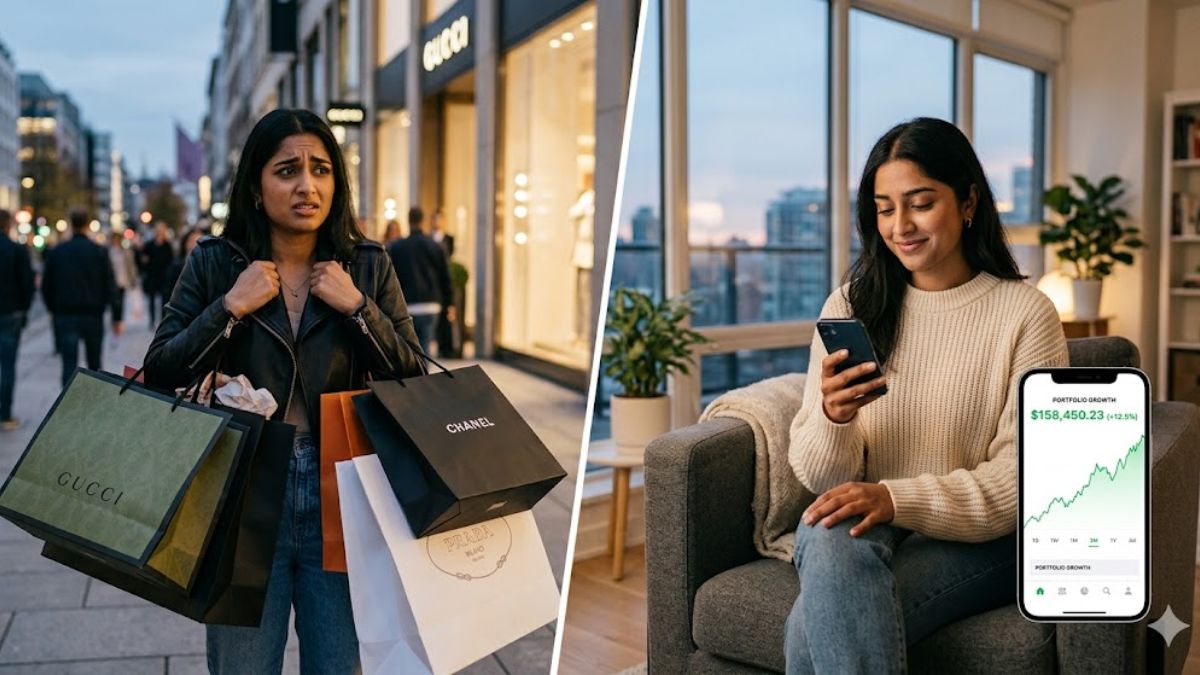
But something shifted recently. I started noticing it in my own circles and across global feeds. People are tired. They are tired of the credit card debt, the fake hustle, and the constant pressure to look rich while their bank accounts are screaming for help. This is the rise of the De-Influenced Life: Gen Z Swaps Luxury For High-Yield Assets. It’s not about being broke; it’s about being smart. We are finally realizing that a Chanel bag doesn’t pay the rent, but a diversified portfolio does.
Why the “Rich Aesthetic” is Actually Making Us Poor
For a long time, social media influencers sold us a lie: that happiness is a new outfit every week. In Tier-1 countries like the US and UK, and even rapidly growing markets like India, the “lifestyle creep” became a silent killer. We were chasing trends we didn’t care about, just to win approval from people who didn’t matter.
The De-Influenced Life is the ultimate middle finger to that culture. It’s a conscious choice to look at a trending $500 pair of sneakers and say, “Actually, I’d rather put that into an Index Fund or a High-Yield Savings Account.” We are trading the temporary hit of dopamine for the long-term security of financial freedom.
It is a complete shift away from the burn-out culture, much like the Soft Saving Trend: Soft Saving vs Hustle Culture that is taking over our feeds.
Is the Luxury Market Crashing?
If you look at the data, the search intent has changed. The obsession with ‘latest luxury trends’ is fading, replaced by a much deeper search for value. Instead, the queries hitting the top of Google are:
-
How to stop overspending on aesthetic trends?
-
Best high-yield assets for beginners.
-
Luxury vs. Wealth: What’s the difference?
-
De-influencing: How to build a minimalist wardrobe.
This tells us one thing: the world is waking up. In India, especially, the youth are moving away from traditional gold and heavy spending toward digital assets and equity. This aligns with the shifting financial priorities of Genz globally, where the favorite isn’t a brand name anymore; it’s a ‘Green’ bank balance.
The Pivot: From “Wearing the Brand” to “Owning the Company”
I talked to a friend recently who sold her entire collection of fast-fashion and designer belts. She told me, “I looked at my closet and saw $5,000 worth of leather that was depreciating every day. I felt like a fraud.”
She’s part of the De-Influenced Life movement. Instead of wearing the brand, she started buying the stock of the companies she used to shop at. Here is the mindset shift that is happening globally:
-
Mindset A (Old): Buy a $1,000 phone every year to look updated.
-
Mindset B (New): Keep the old phone, invest that $1,000 in a High-Yield Asset, and let compound interest do the heavy lifting.
What Exactly Are These High-Yield Assets?
When we talk about Gen Z swapping luxury for assets, we aren’t just talking about boring old bank accounts. People are looking for “where the money grows”: If you want to understand how compound interest actually works, I highly recommend reading The Simple Path to Wealth: Your Road Map to Financial Independence and a Rich, Free Life, which is the ultimate guide to building a portfolio that buys back your time.
-
Dividend-Paying Stocks: Imagine getting a check every few months just for owning a piece of a company.
-
REITs (Real Estate Investment Trusts): Owning property without the headache of being a landlord.
-
High-Interest Digital Vaults: Moving money to where it earns 5% or more, rather than sitting idle.
-
AI-Driven Micro-Funds: Using technology to invest small change into big-market winners.
How to Start Your Own De-Influenced Journey
You don’t have to sell everything you own tomorrow. It starts with a simple question every time you are about to click “Add to Cart”: “Will this item make me look rich, or will the money I spend on it actually make me wealthy?”
-
Unfollow the “Haul” Channels: If someone’s entire personality is buying things, they are a salesperson, not a friend.
-
Audit Your Closet: See what you actually use. Sell the rest and put that cash into an asset.
-
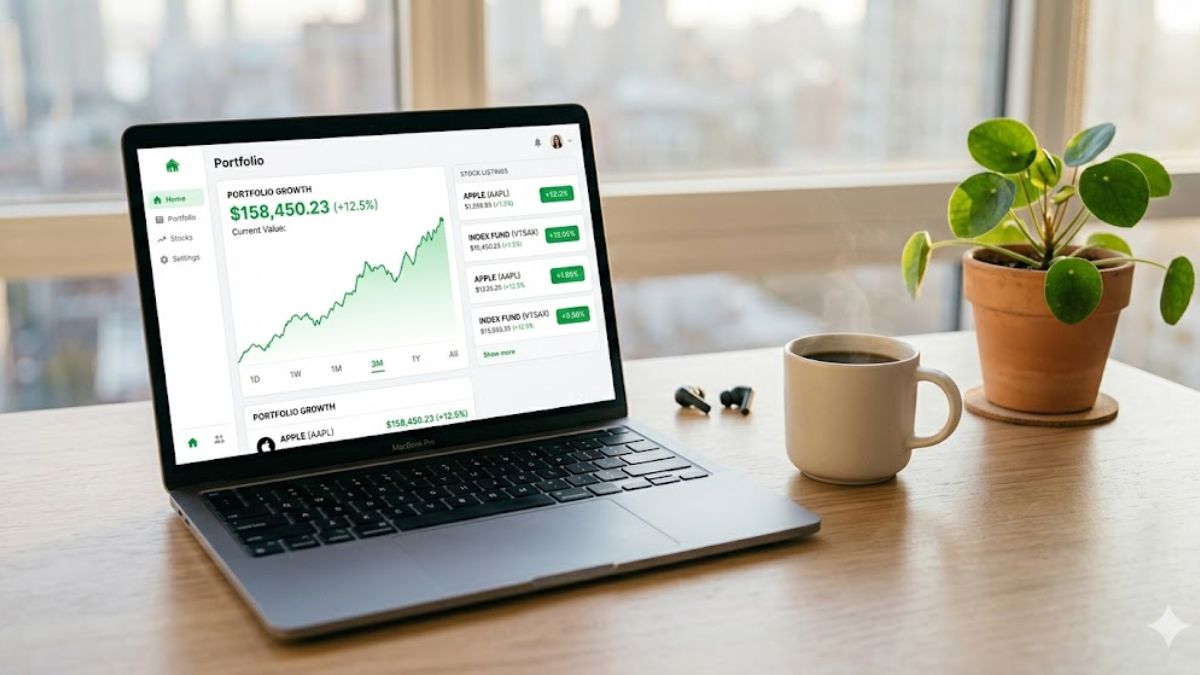
Track Your Net Worth, Not Your Likes: There is a weird, addictive power in watching your investment graph go up. It feels better than 1,000 likes on a selfie.
Why India and Tier-1 Countries are Leading This Change
In the US, the cost of living has made luxury an impossible dream for many, leading to a “forced” but healthy minimalism. In India, the massive rise in financial literacy apps has turned every teenager with a smartphone into a mini-investor.
The De-Influenced Life: Gen Z Swaps Luxury For High-Yield Assets is the bridge between these two worlds. It’s a global language. We are all realizing that in an unstable world, Comfort Living: Designing a Life That Feels Safe, Calm, and Stable comes from what you own, not what you wear.
The Reality Check: It’s Not About Deprivation
If you want to understand the benefits of investing in assets rather than luxury, you must read Make Money Easy: Create Financial Freedom and Live a Richer Life; it is a perfect guide to managing money wisely.
I want to be clear living a De-Influenced life doesn’t mean you have to live in a dark room and eat ramen. It’s about Value.
If a high-quality espresso machine brings you joy every morning and saves you $7 at a cafe daily that’s a smart purchase. If a designer t-shirt is just a t-shirt with a name on it that’s a trap.
We are choosing to be “Secretly Wealthy” rather than “Publicly Poor.”
The Million-Dollar Question: Who Are You Without the Logo?
Next time you feel that itch to “keep up with the Kardashians” or buy into a trending aesthetic, stop for a second. Ask yourself: If I couldn’t post a picture of this purchase, would I still want it?
Most of us are living a life scripted by algorithms. We are sacrificing our time and energy on mindless work just to fund a lifestyle that tries to impress an audience that doesn’t actually care. But the De-Influenced Life isn’t just about saving money; it’s about a radical reclamation of your identity.
When you stop being a walking billboard for someone else’s brand, something strange happens. You start becoming the owner of your own time. having a “boring” high-yield portfolio that pays for your freedom is the ultimate secret flex.
So, what’s it going to be? Are you going to keep funding someone else’s private jet, or are you ready to start building your own escape hatch? The script is in your hands it’s time to flip it.
FAQ :
Q1. How does Gen Z buy luxury?
Gen Z buys luxury very differently than previous generations. They don’t just walk into a store and buy a brand name. Instead, they focus on Resale Platforms (like Vinted or Vestiaire Collective), Sustainable Ethics, and Value-driven purchases. They often use “Buy Now, Pay Later” (BNPL) services or save up specifically for “investment pieces” that hold their resale value. For them, luxury isn’t about looking rich; it’s about owning a piece that has a story or an ethical background.
Q2. Who are the luxury biggest buyers?
While older Millennials and Gen X still hold the most “spending power” in terms of total revenue, Gen Z and younger Millennials are now the biggest drivers of cultural momentum. By 2026, the US and China remain the top markets, but India has emerged as one of the fastest-growing regions for “entry-level” luxury, with young professionals spending more on high-end tech and premium lifestyle goods than ever before.
Q3. Why is “Desperate Gen Z” embracing risky investments?
It’s a trend often called “Financial Nihilism.” Many young people feel locked out of traditional wealth-building, like buying a home, because of skyrocketing property prices. Since they feel they might never afford a house, they take bigger risks with their “smaller” savings investing in Crypto, NFTs, or high-volatility stocks hoping for a “moonshot” that can change their life overnight. It’s less about being reckless and more about a desperate search for a shortcut in an unfair economy.
Q4. What is Gen Z “Unbossing”?
“Unbossing” (or Conscious Unbossing) is the latest workplace trend where Gen Z professionals are actively turning down management roles. Unlike their parents, they don’t want to climb the corporate ladder if it means more stress, endless meetings, and less time for their personal life. They prefer being “Individual Contributors” focusing on their skills and being their own boss rather than managing a team for a slightly higher salary. They value mental peace over a fancy title.