
This post may contain affiliate links, If you choose to buy through these links, I may receive a small commission at no additional cost to you.
A vast majority of people mistake a poorly optimized environment for a chronic sleep disorder. However, I believe they actually have a “room” problem.
Perhaps you spend $800 on a therapy mattress or stop drinking coffee at 2 PM. You might even buy those expensive magnesium flakes for your bath.
But the second you walk into your bedroom, your brain stays “on.”
This happens because your room is flat. It is emotionally cold. Essentially, it is a box of drywall and cheap cotton that doesn’t tell your nervous system it’s time to shut down.
I’ve spent the last few months obsessing over why some hotel rooms make you sleep like a baby while your own home feels like a waiting room.
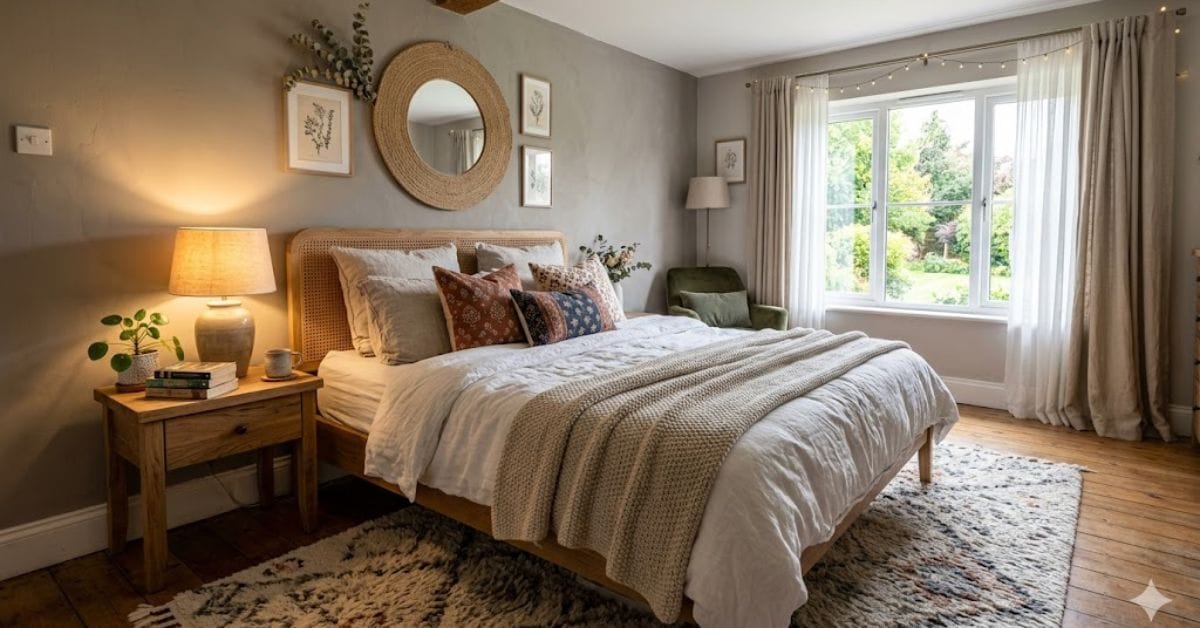
The secret isn’t a bigger TV or a fancy lamp. Instead, it’s about 10 DIY Bedroom Texture Layers for Deep Sleep & Regeneration.
We aren’t talking about “decorating” here. On the contrary, we’re talking about biological hacking through touch.
If your bedroom feels “thin,” your recovery will be thin too. Therefore, let’s fix that without calling a contractor or blowing your savings.
Why “Flat” Rooms are Killing Your Energy
Think about the last time you felt truly relaxed. You were probably outside maybe near a forest or a beach.
Nature is never “flat.” Specifically, it has layers: sand, grass, wood, and wind.
Unfortunately, our modern bedrooms are the opposite. We often have flat walls, flat floors, and flat “bed-in-a-bag” sets.
This lack of texture creates a “sensory void.” Consequently, your brain stays alert.
Achieving a state of true restorative sleep requires you to engineer a sensory sanctuary that shields you from the outside world.
This is best achieved by applying the 10 DIY Bedroom Texture Layers that absorb sound, soften light, and trick your skin into feeling safe.
If you feel constantly exhausted in your own space, you might want to explore Why Modern Homes Feel Tiring – Fix It Without Spending More to understand the deeper connection between design and mental fatigue.
1. The “Skin-Contact” Base: Ditch the Plastic Cotton
The first layer is what actually touches your body. Most “high thread count” sheets are a bit of a letdown.
They’re often coated in a chemical wax to feel soft in the store. But after three washes, they feel like sleeping on a plastic grocery bag.
The Swap: Go for 100% Stonewashed Linen or Bamboo. Linen is the “Old Money” of fabrics. While it is bumpy and a bit rough at first, it breathes like a living thing.If you want to experience the true meaning of luxury and comfort, you should definitely invest in these SONORO KATE 100% French Pure Linen Sheets, as they offer the perfect breathable texture for a deep and restorative sleep.
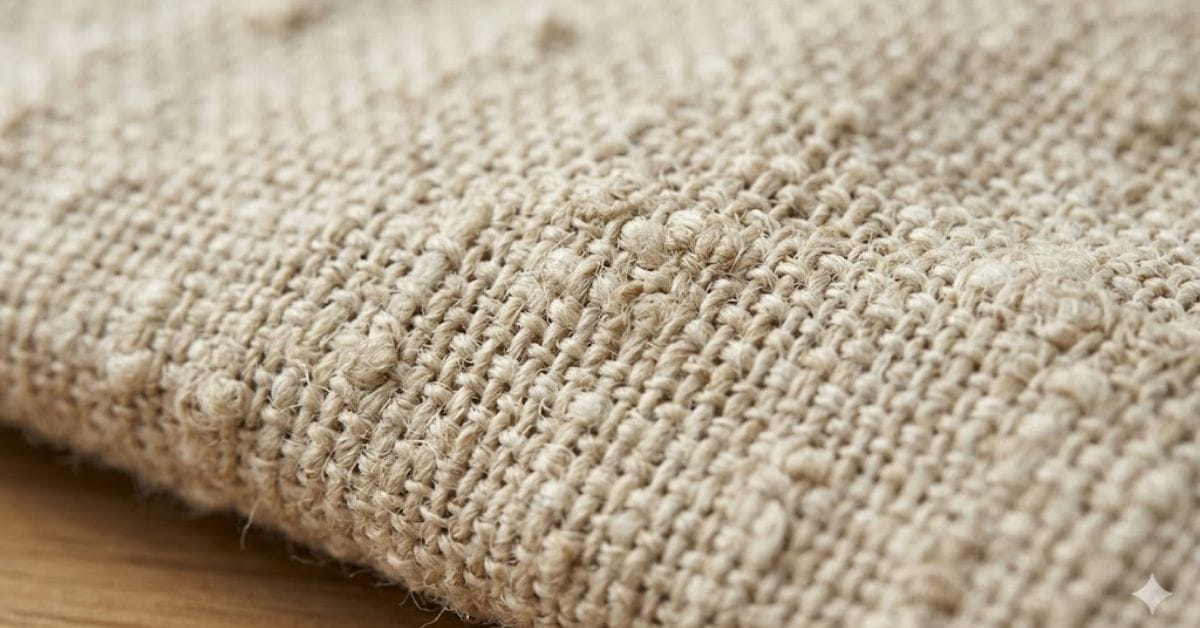
The DIY Hack: If linen is too expensive, look for “Percale” cotton. It’s crisp, matte, and cool. Furthermore, it sounds like a fresh newspaper when you move, which is a surprisingly soothing sound for the brain.
Pro Tip: Stop using fabric softeners. They coat the fibers in a thin layer of oil (wax) that traps heat. If you’re waking up sweaty at 4 AM, your softener is likely the culprit.
2. The Weight Factor: More Than Just a Blanket
There’s a reason babies love being swaddled. As adults, we still need that “hug” sensation to lower our cortisol. Weighted layers like cotton quilts provide “Deep Pressure Stimulation,” which has been shown to lower cortisol levels and improve sleep quality. Thus, it acts as a physical signal to your nervous system that the day is done.
The Layer: Instead of a heavy electric heater, use a Cotton Quilt.
Why it works: The stitching in a quilt creates a subtle, uneven texture that feels “real” against your legs.
It provides enough weight to calm your heart rate without making you feel trapped or overheated. Thus, it acts as a physical signal to your nervous system that the day is done.
To effectively lower your cortisol and get that calming ‘swaddle’ effect, I highly recommend using the Yescool Weighted Blanket for Adults, which provides the perfect amount of deep pressure and breathable comfort for a restless night.
3. The “Grounding” Landing Strip
The most jarring moment of your day is when your warm feet hit a cold, hard floor in the morning.
It’s a literal “shock” to your system that spikes your adrenaline immediately.
The DIY Fix: Place a small, high-pile faux sheepskin or a thick woven jute rug right where your feet land.
The Science: This immediate tactile softness signals to your brain that the environment is “low-threat.”
As a result, it keeps you in that “half-sleep” state longer, allowing for a gentle wake-up rather than a stressful jolt.
4. Textural Contrast: Rough vs. Smooth
A room with only smooth surfaces feels like a hospital. You need “friction” for a room to feel expensive and cozy.
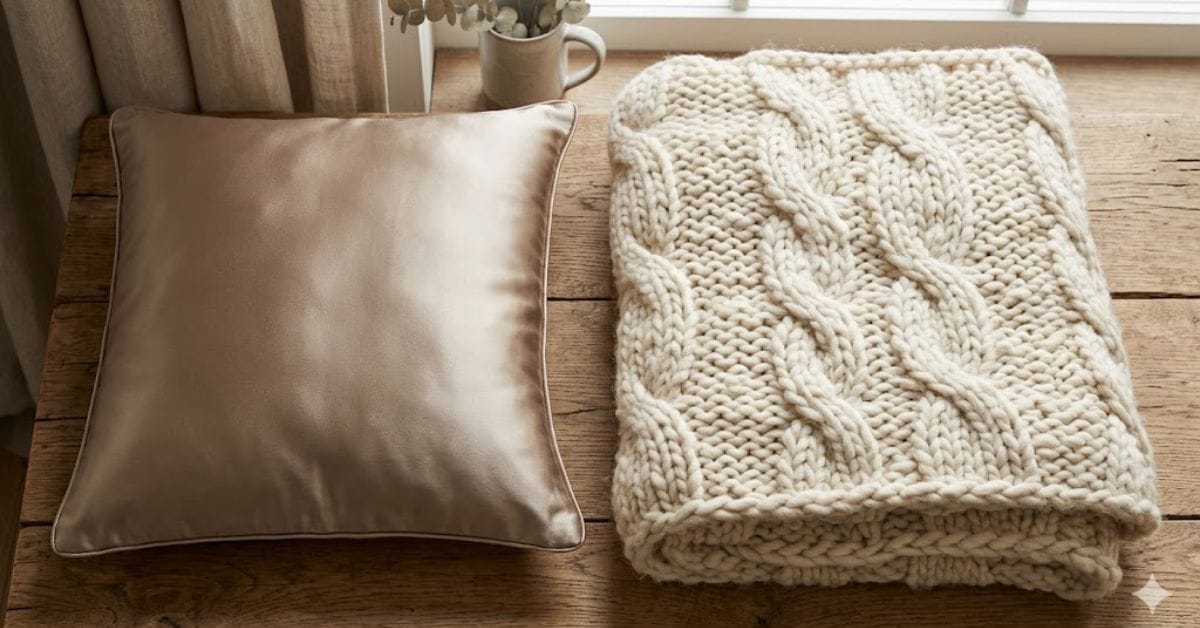
The Mix: If you have smooth silk pillowcases (great for your hair and skin!), pair them with a rough, chunky knit throw at the end of the bed.
The Result: This visual and physical contrast creates “depth.”
When your eyes see different textures the shine of silk against the matte of wool your brain relaxes because the room feels “finished” and secure.
5. The “Ghost” Layer: Double Your Curtains
Blackout curtains are great for sleep, but they often look heavy, dark, and depressing during the day.
The Setup: Hang a sheer, gauzy linen curtain behind your heavy blackout drapes.
The Benefit: During the day, you get “filtered” light that looks soft and dreamy.
Additionally, at night, that extra layer of air trapped between the fabrics acts as a sound muffler.
It’s a DIY soundproofing hack that prevents your room from feeling like an echo chamber.
6. The Headboard “Hug”
Most of us have a hard wooden headboard or, worse, just a cold drywall wall.
This reflects sound and light right back at your ears and eyes.
The DIY Hack: You don’t need to buy a new upholstered bed. Take two large “Euro” pillows (the big 26×26 square ones) and use a heavy velvet or corduroy cover.
Sensory Win: Velvet absorbs light and sound.
Consequently, leaning against it to read before bed feels like a luxury spa experience compared to leaning against a cold, hard surface.
7. Natural Wood Accents (The “Forest” Effect)
Plastic and metal are “dead” materials. They don’t hold warmth, and they feel industrial.
The Layer: Bring in a raw wood element. It could be a DIY floating shelf made from a reclaimed plank or even just a wooden tray on the bed.
Why? Wood has a “thermal mass” that feels neutral to the touch.
It doesn’t steal your body heat like metal does. Plus, the subtle smell of real wood is a natural sedative that reminds the brain of being outdoors.
If you want to elevate this look further without blowing your savings, check out these 8 Genius Ways to Save Money on Your Next Home Makeover to get a designer look on a budget.
8. The “Air” Texture: Don’t Forget Your Nose
We forget that “air” is a texture we feel in our lungs.
If your room is dusty or dry, your throat stays constricted, and your sleep is shallow.
The DIY Fix: Get a snake plant or a peace lily.
The Science: These plants add literal moisture (humidity) to the air.
Moreover, “wet” air feels softer to breathe than “dry” AC air.
This helps your body focus on Regeneration rather than fighting off a dry, scratchy throat all night.
9. Dimmable “Warm” Lighting
White light is “sharp.” It feels like a needle hitting your optic nerve, telling your brain it’s midday in the Sahara Desert.
The Change: Switch every bulb in your bedroom to “Warm White” (2700K).
The Layer: Add a DIY fabric shade to your lamps.
Because light filters through a linen or burlap shade, it creates a “soft” visual texture.
This change tells your brain to start producing melatonin immediately.
10. The Scent Layer (The Invisible Texture)
Olfactory signals have a direct, high-speed connection to the limbic system—the brain’s emotional powerhouse. It’s a texture you feel through your senses.
The Move: Use a linen spray with Lavender and Sandalwood.
The Trick: Spray it on the “Ghost” layer of your curtains.
When the wind blows, the room feels like it’s breathing a calm, invisible mist over you.
Eventually, it anchors your bedroom as a place of rest, not work.
The Global Shift Toward Sensory Sanctuaries
Whether you are in a busy apartment in Mumbai or a quiet house in London, the world is getting louder.
Our screens are brighter, and our jobs are more demanding.
Consequently, the movement toward “Quiet Luxury” and “Tactile Living” is becoming so important.
We are tired of “fast furniture” that has no soul. Instead, we want homes that actually care for us.
By using these 10 DIY Bedroom Texture Layers, you aren’t just following a decor trend.
You are building a biological system for your health.
Furthermore, this is about reclaiming the one space in your life where you don’t have to be “productive” : you just have to be yourself.
Start Building Your Sanctuary Tonight
You don’t have to do all ten today. That would be overwhelming, and stress is the enemy of sleep.
Initially, start with the Skin-Contact base. Buy one high-quality linen sheet this month.
Next month, thrift your textures; look for wool throws or wooden trays at second-hand shops.
Also, audit your floor if it’s cold, put a rug down.
Your bedroom shouldn’t just be where you crash at 11 PM when you’re exhausted.
Rather, it should be a tool for your success.
When you wake up in a room that feels “rich” because you’ve utilized these 10 DIY Bedroom Texture Layers, you go into the world feeling more grounded, more confident, and more rested.
Ultimately, you don’t need a $100k salary to live in a $100k reality.
You just need to stop looking at your room and start feeling it.
Go ahead, make one change tonight. Your brain (and your back) will thank you for it.
Welcome to the world of sensory regeneration.