
This post may contain affiliate links, If you choose to buy through these links, I may receive a small commission at no additional cost to you.
Easy vegetables to grow at home for beginners often surprise people.
Not because they are unusual, but because they grow even when you feel unsure.
Many people delay gardening. They wait for more space, better tools, or perfect timing.
I waited too. I believed gardening required experience and constant care.
However, that belief faded quickly.
What truly matters is starting with vegetables that forgive mistakes.
When plants are easygoing, beginners feel relaxed.
And when gardening feels relaxed, learning happens naturally.
This guide is for anyone who wants to grow food at home without stress, pressure, or complicated rules.
Why Easy Vegetables Make Gardening Simpler
Gardening usually doesn’t fail because people don’t care.
Instead, it fails when beginners start with demanding plants.
Choosing easy vegetables to grow at home for beginners reduces mistakes and builds confidence early.
Some vegetables react badly to small mistakes. Miss one watering, and growth slows.
Easy vegetables behave differently. They adjust. They recover. Over time, they keep growing.
Because of this, starting with easy vegetables helps beginners in three ways.
First, results appear sooner.
Second, mistakes feel manageable.
Third, gardening becomes enjoyable instead of stressful.
As a result, many beginners continue instead of quitting early.
For beginners with limited space, a pallet garden offers a simple and budget-friendly way to grow vegetables vertically at home.
Once you feel comfortable with beginner vegetables, growing garlic at home is another simple step that teaches patience and rewards long-term care.
1. Lettuce : A Gentle First Success
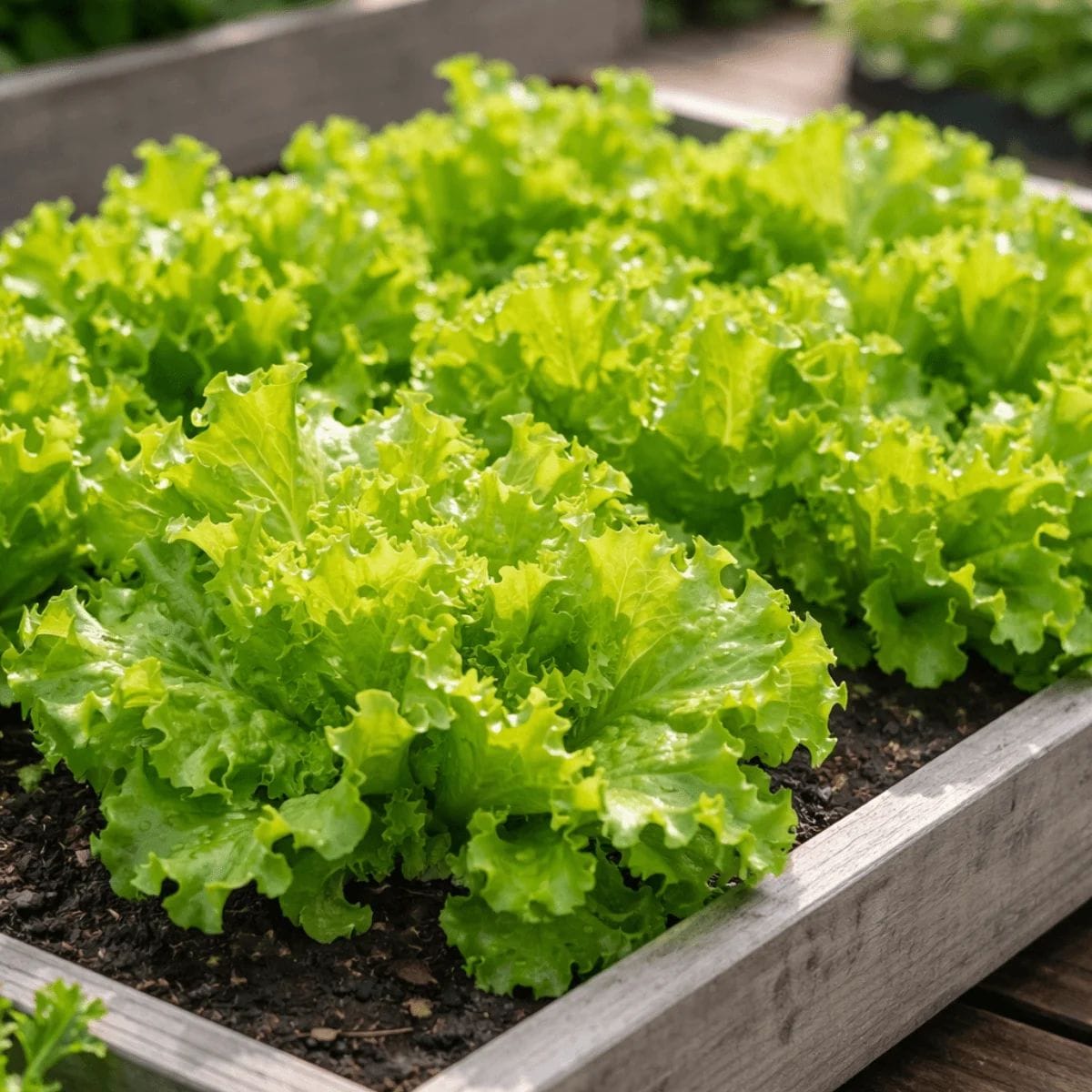
Lettuce is one of the easiest vegetables to grow at home for beginners.
It grows quickly and doesn’t need deep soil. Even better, lettuce adapts well to containers.
A balcony, patio, or sunny window is often enough.
You don’t need to harvest the whole plant. Instead, cut the outer leaves. The center continues growing. This simple cycle feels rewarding.
When I first grew lettuce, it wasn’t perfect. Still, harvesting fresh leaves felt meaningful.
That small success built confidence.
Why lettuce works well
-
Grows within 30–40 days
-
Needs shallow containers
-
Handles partial sunlight
-
Allows repeated harvesting
2. Tomatoes : Learning Consistency Slowly
Tomatoes are popular, but beginners often struggle with them.
The problem is usually the variety.
Large tomatoes need more attention.
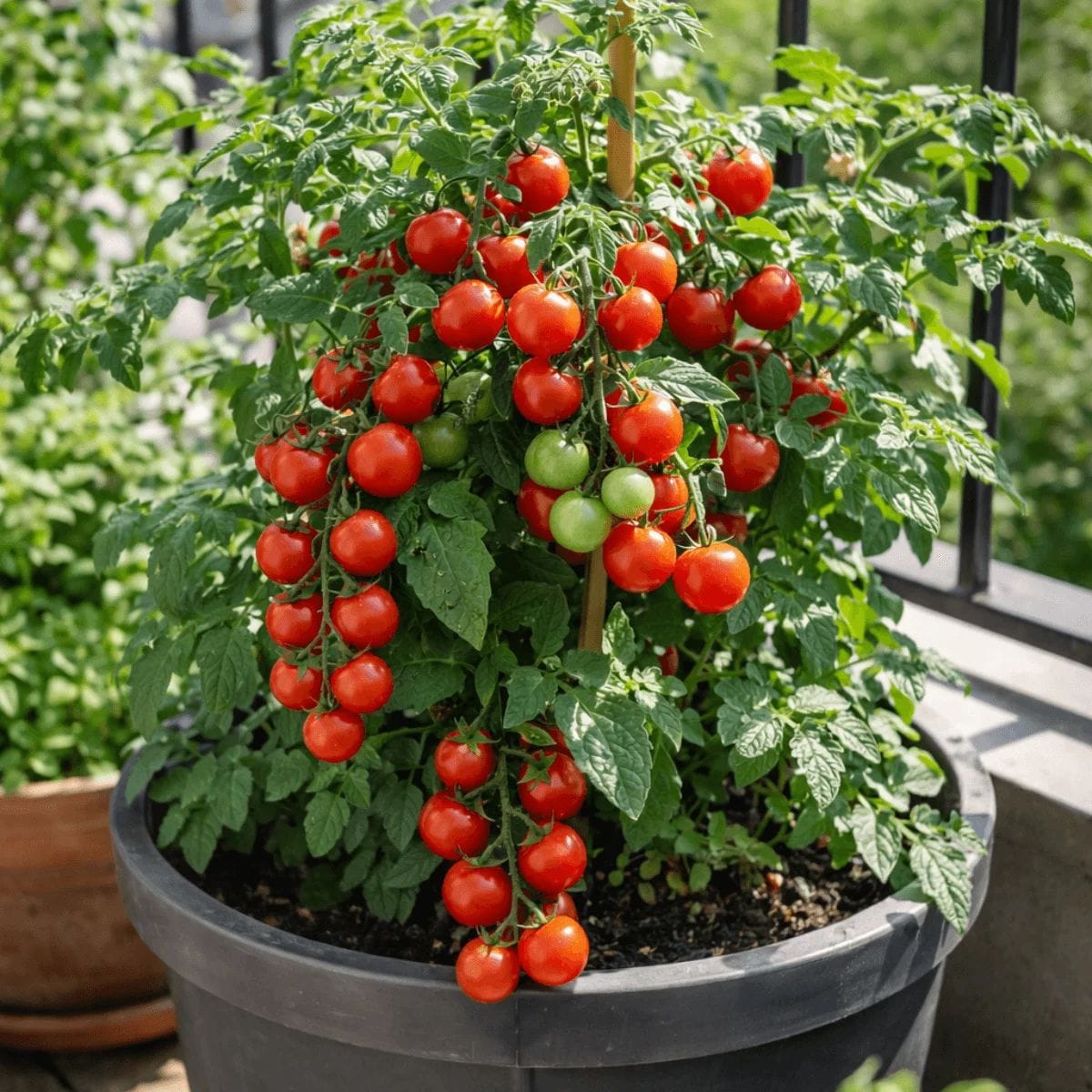
Smaller types, such as cherry or patio tomatoes, are easier to manage.
They grow well in containers and respond better to simple care.
Tomatoes prefer steady routines. Regular watering matters. Consistent sunlight helps.
When conditions stay stable, plants respond calmly.
At first, growth feels slow. Then flowers appear. Soon after, fruit follows.
Tomato tips for beginners
-
Choose cherry or compact varieties
-
Use containers with drainage holes
-
Provide full sunlight daily
-
Support plants early
3. Radishes : Fast Results, Clear Lessons
Radishes are perfect for impatient beginners.
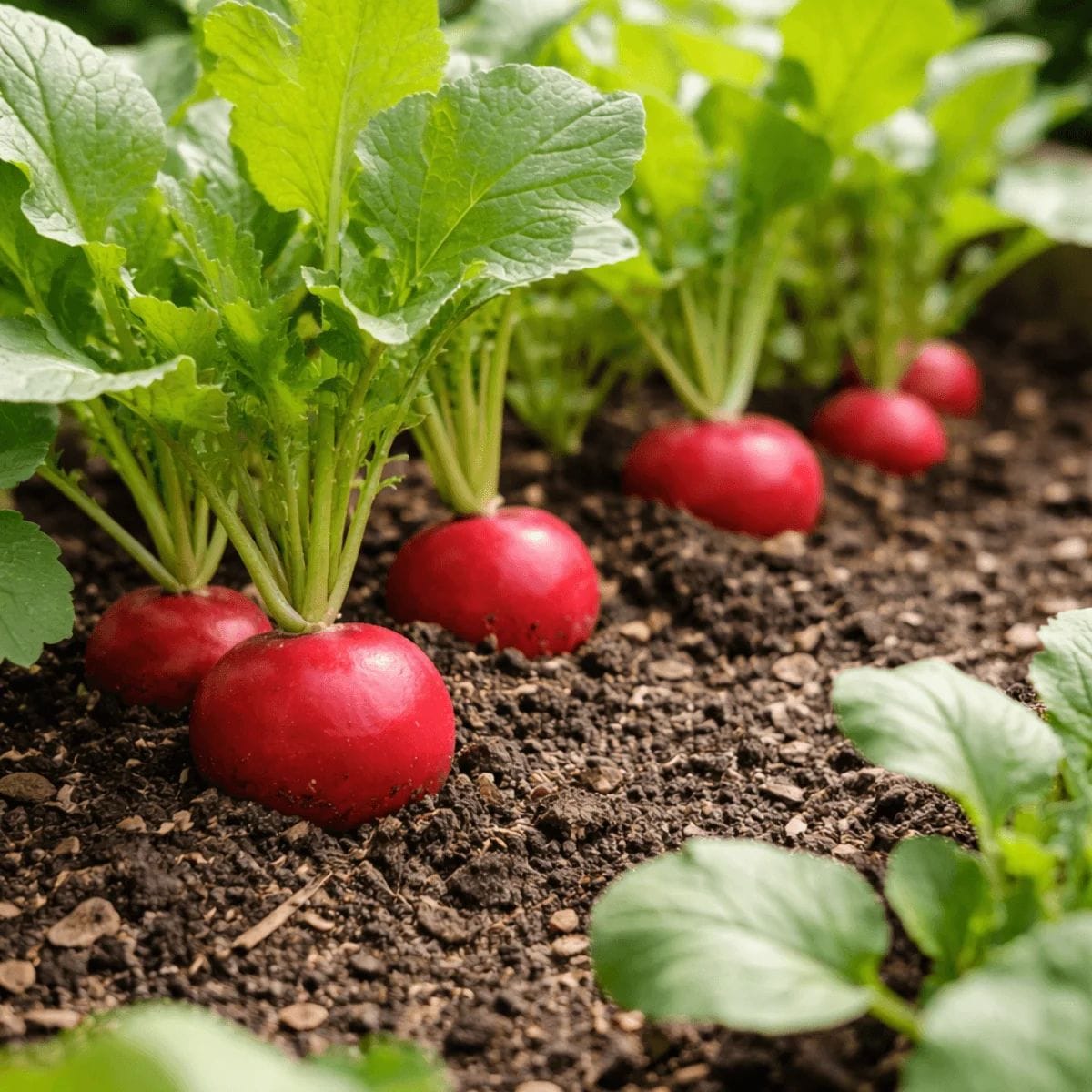
They grow quickly. Sometimes, harvest happens in less than a month. Because of this, they offer fast feedback.
Radishes prefer loose soil and even moisture. They don’t need deep containers. However, spacing matters.
These vegetables are honest. If soil conditions are poor, they show it clearly. That makes them great teachers.
Why radishes suit beginners
-
Ready in 25–30 days
-
Grow well in shallow containers
-
Need minimal care
-
Teach soil basics naturally
4. Green Beans : Quietly Reliable Plants
Green beans don’t ask for much attention.
Yet, they give steady results.
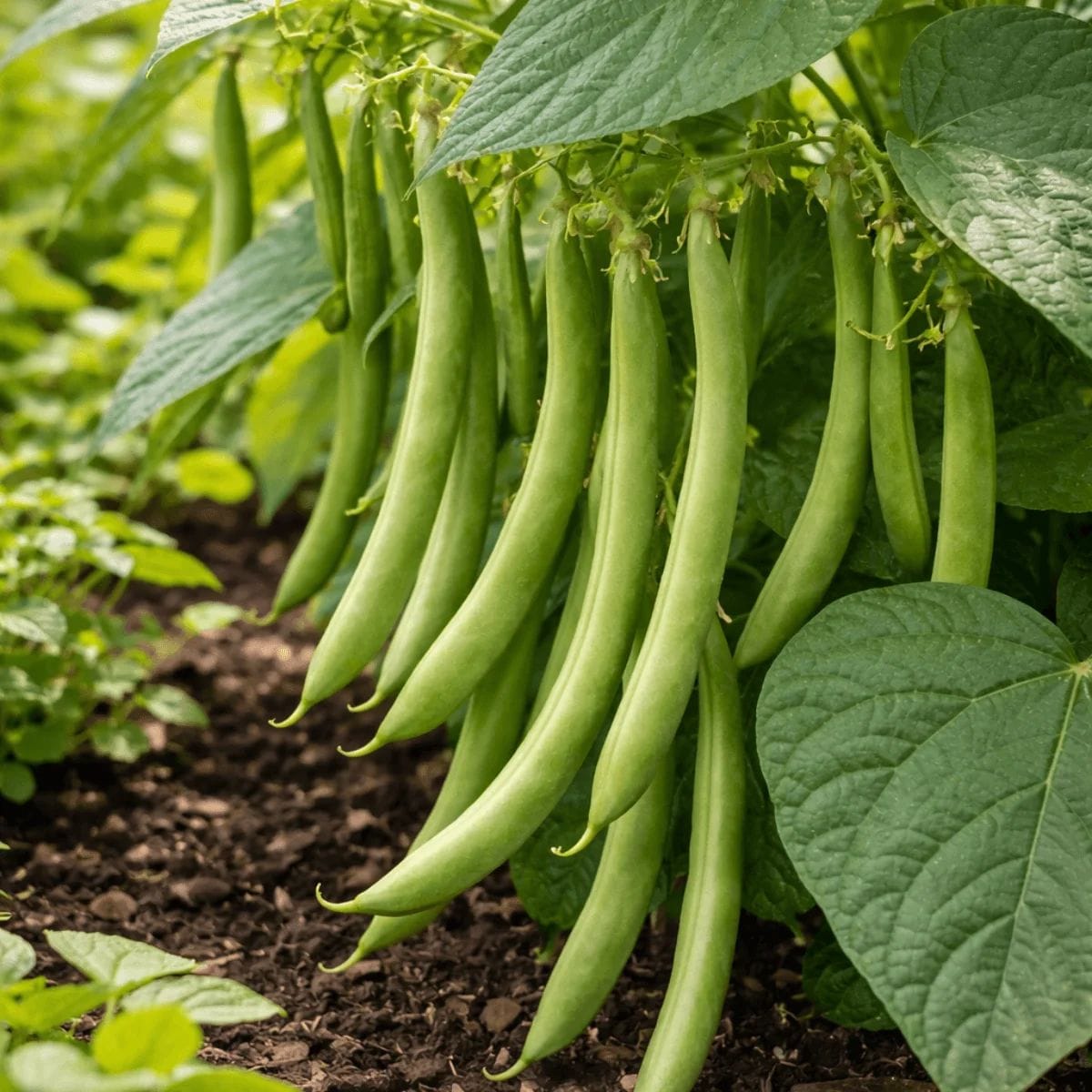
Bush bean varieties are ideal for beginners. They grow compactly and don’t need support structures.
Once established, they continue producing when harvested regularly.
Even if watering isn’t perfect, green beans often recover.
At the same time, they improve soil health.
Because of this, they support nearby plants as well.
Why green beans are beginner-friendly
-
Fast growth and steady harvest
-
Suitable for containers and beds
-
Low maintenance
-
Forgiving of small mistakes
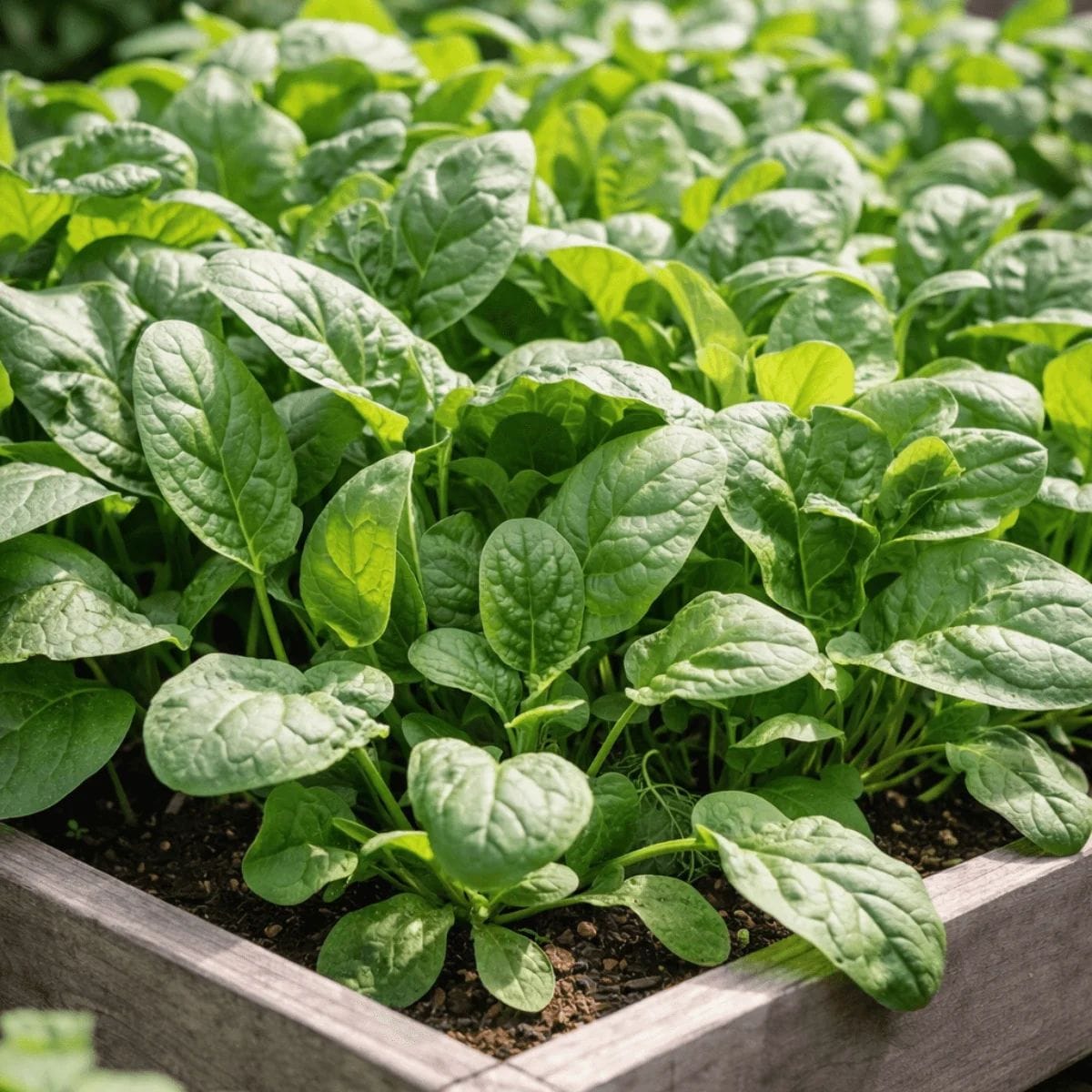
5. Spinach : Calm Growth Without Pressure
Spinach grows quietly.
It doesn’t rush or demand attention.
This vegetable prefers cooler temperatures. It also tolerates partial sunlight.
Therefore, spinach works well on balconies or shaded patios.
You can harvest spinach gradually. Pick outer leaves first. The plant continues producing.
Over time, spinach teaches patience. Growth feels steady rather than dramatic.
Spinach basics
-
Grow during mild or cool seasons
-
Keep soil evenly moist
-
Harvest gradually
-
Avoid crowding
6. Zucchini : One Plant Goes a Long Way
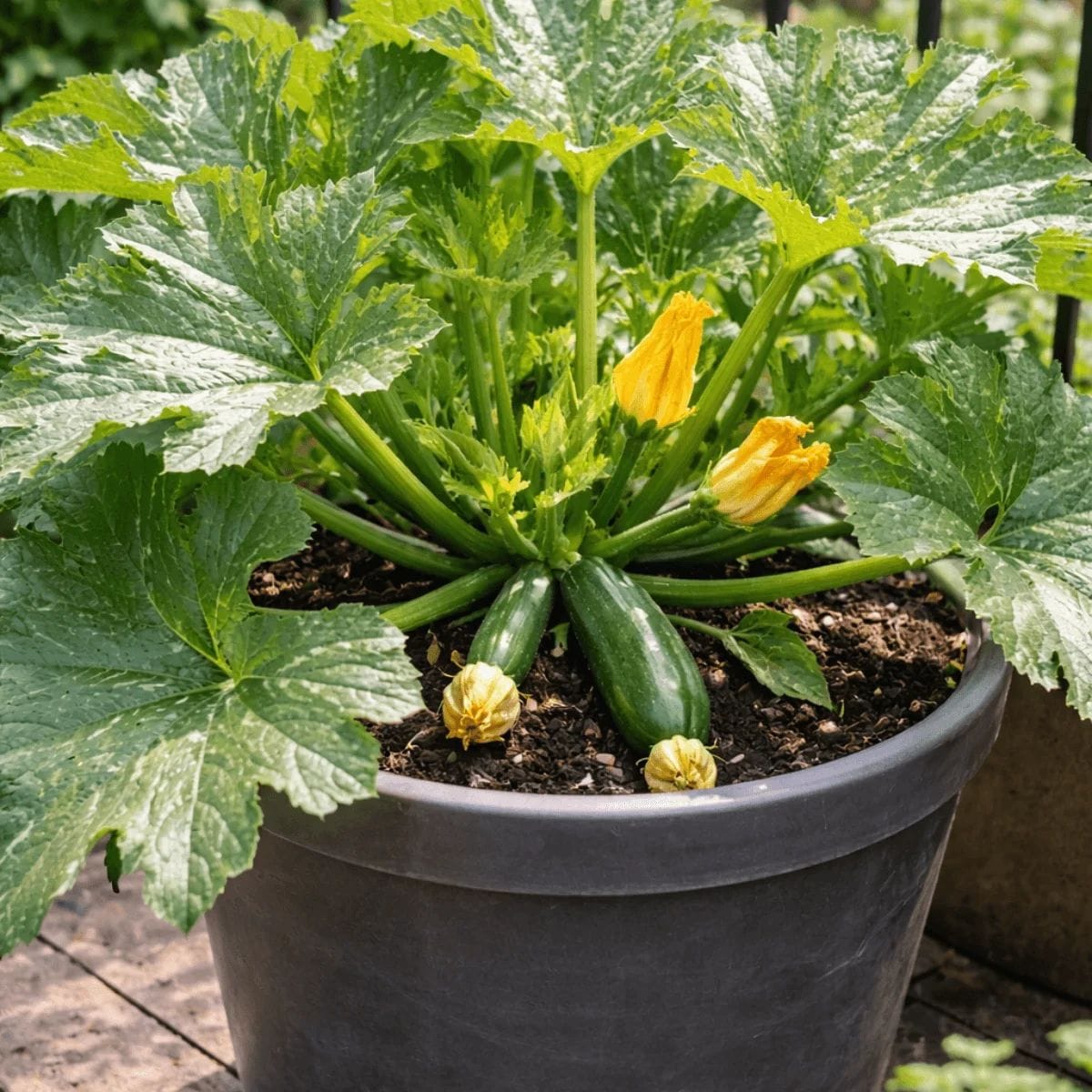
Zucchini appears demanding at first.
However, it’s easier than it looks.
The plant grows fast and produces generously. Often, one plant is enough for a household.
Zucchini needs space and sunlight, but not constant care.
Harvesting early improves flavor. It also encourages continued production.
Because of this, zucchini teaches timing more than technique.
Why zucchini works
-
Rapid growth
-
High yield
-
Clear health signals
-
Rewards regular harvesting
7. Common Beginner Mistakes Are Normal
Every gardener makes mistakes.
Beginners especially.
Overwatering happens often. So does planting too closely. Sometimes sunlight is less than expected.
Plants are resilient. When conditions improve, most recover. For this reason, mistakes rarely mean failure.
The real issue is quitting too early.
Gardening improves with observation, not perfection.
If you are just starting, beginner-friendly vegetable starter kits can make the first planting process much easier and more organized.
8. A Simple Setup That Works Almost Anywhere
You don’t need expensive tools.
Most beginners succeed with:
-
Containers with drainage
-
Basic potting soil
-
A sunny spot
-
Short daily attention
Simple setups reduce stress. As a result, success becomes more likely.
Self-watering planters are especially helpful for beginners because they maintain moisture levels and reduce watering mistakes.
9. Harvesting at the Right Time
Harvest timing matters.
Waiting too long reduces flavor and slows growth. Harvesting early encourages plants to keep producing.
Experienced gardeners at the Royal Horticultural Society
also emphasize that harvesting at the right time improves both flavor and continued plant growth.
Check plants regularly. Touch the soil. Observe leaves. These habits matter more than schedules.
Over time, confidence grows naturally.
10. How Easy Vegetables Change the Experience
Easy vegetables do more than provide food.
They change how you see time. Growth feels gradual, not rushed. Progress feels earned.
Some plants fail. Others thrive unexpectedly.
That contrast teaches patience better than instructions ever could.
That’s why easy vegetables to grow at home for beginners are the best starting point for any first garden.
And once you harvest your first successful crop, you begin noticing empty corners and unused containers – quietly wondering what might grow next if you tried one more time.