
This post may contain affiliate links, If you choose to buy through these links, I may receive a small commission at no additional cost to you.
Growing herbs at home made everyday cooking simpler, and that still surprises me.
At first, it wasn’t a plan or a lifestyle change.
It began with a small frustration that kept repeating.
I was tired of buying herbs, using a little, and watching the rest wilt in the fridge.
Over time, one small pot on a window sill quietly changed how my kitchen felt.
Food tasted better, and cooking slowly stopped feeling like extra work.
This isn’t a perfect gardening story.
Some plants survived, while others didn’t.
However, the ones that stayed taught me something important.
Cooking feels lighter when ingredients are already part of your home.
1. Why Fresh Herbs Change the Way Cooking Feels
Cooking often becomes stressful before the pan even gets hot.
You suddenly realize something is missing, and then you pause.
Should you go back to the store, or should you skip it?
Most days, the answer is no.
You tell yourself the dish will be “fine.”
Fresh herbs don’t work like that.
Because they grow just a few steps away, they quietly remove that decision fatigue.
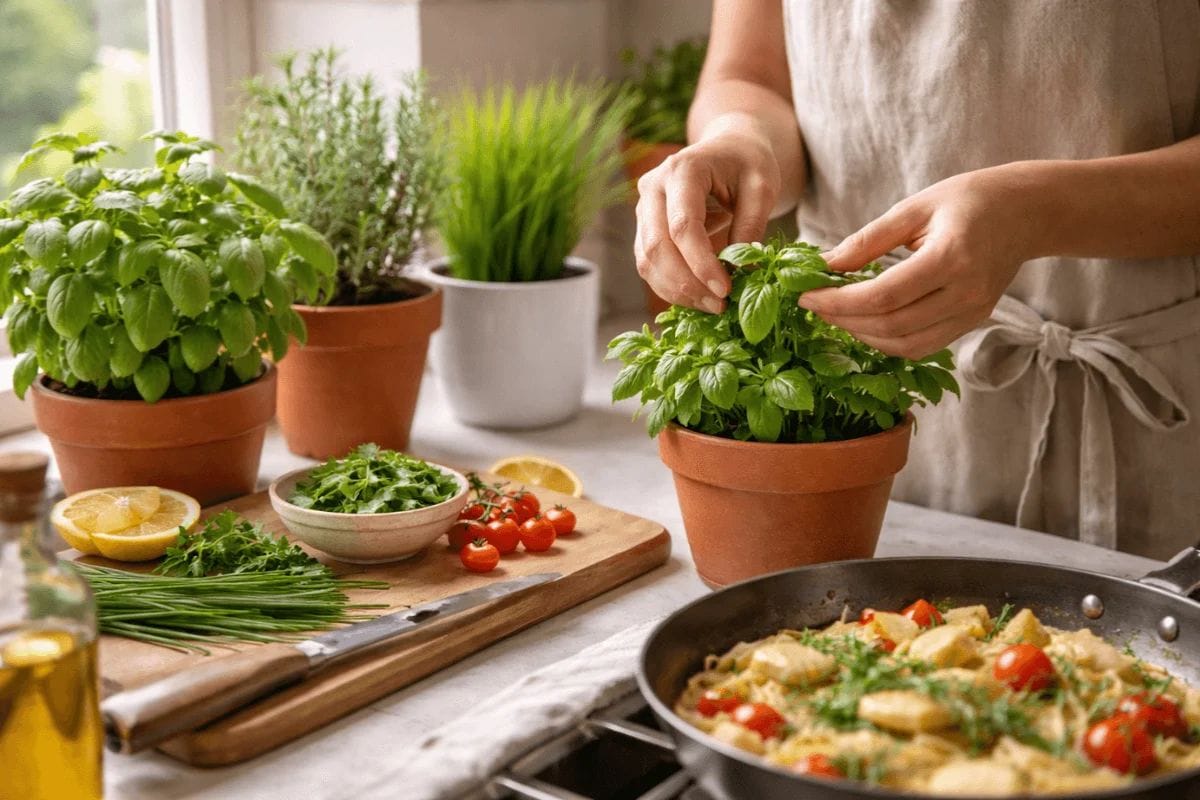
Instead of measuring or worrying about waste, you simply reach, cut, rinse, and add.
As a result, your pace in the kitchen changes naturally.
Cooking stops feeling planned and starts feeling relaxed.
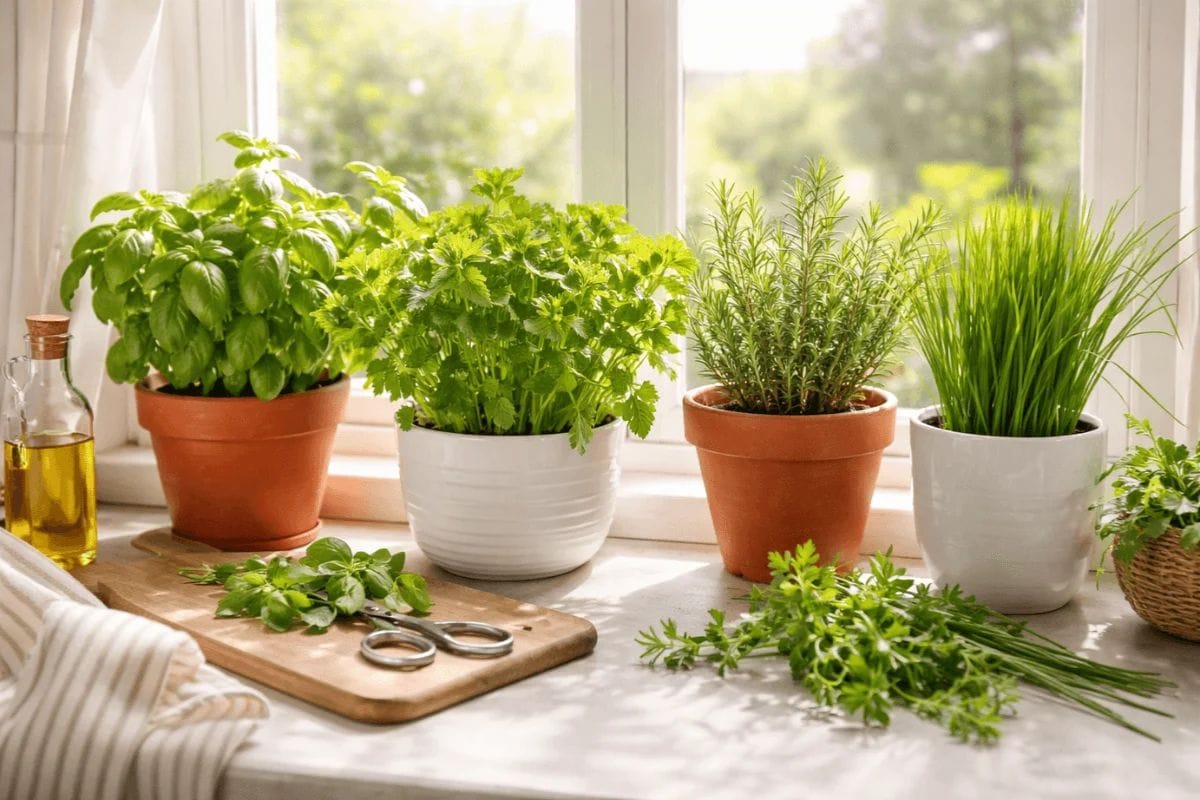
2. Starting Small Helped Me Stay Consistent
I didn’t start with a full herb garden because that would have overwhelmed me.
Instead, I started with basil.
Just one plant.
It sat near a window, leaning toward the light and looking imperfect but alive.
That single plant taught me more than any guide ever did.
I learned when the soil felt too dry and how trimming helped it grow back fuller.
More importantly, I learned one simple thing.
Plants don’t need constant attention; they need consistent care.
Once basil survived, I added mint.
Later, parsley and chives followed.
Not all at once, but slowly.
That pace mattered because it kept gardening from becoming another task.
Once herbs feel manageable, many beginners feel more confident trying easy vegetables to grow at home without adding pressure.
3. The Herbs That Truly Simplified My Cooking
Not every herb makes daily cooking easier.
Some herbs need more care than they’re worth.
These are the ones that genuinely reduced effort in my kitchen.
Basil
It works well for pasta, sandwiches, soups, and eggs.
It grows fast and forgives mistakes.
Mint
Mint is hard to kill and always useful.
It works well for tea, drinks, or adding freshness to meals.
Chives
Chives are low maintenance and ideal for everyday cooking.
They improve eggs, potatoes, and yogurt dips with little effort.
Parsley
Parsley is surprisingly versatile once it’s growing.
You start using it more than expected.
I didn’t grow these herbs for presentation.
I grew them because they showed up when cooking felt rushed.
4. How Growing Herbs at Home Changed My Daily Routine
Something subtle shifted once herbs became part of my kitchen.
Over time, I started cooking more often without realizing it.
Not longer meals and not complicated recipes.
Instead, it was simple food made more enjoyable.
Chopping herbs became a calming pause between work and eating.
Watering plants in the morning felt grounding rather than productive.
Because of this, cooking stopped feeling squeezed into time.
It slowly became a natural part of being at home.
5. Indoor vs Outdoor Herbs: What Worked Better for Me
I tried growing herbs both indoors and outdoors.
Outdoor herbs grow faster and larger.
However, indoor herbs stayed more consistent for daily use.
For everyday cooking, indoor herbs worked better.
They were closer, and they didn’t depend on weather.
They also didn’t require planning.
For rented homes and apartments, indoor herbs made more sense.
There was no digging and no permanent change.
Just pots, light, and patience.
6. The Small Mistakes That Taught Me the Most
At first, I overwatered my plants.
To avoid overwatering or underwatering, a simple tool like the GROWIT Plant Moisture Meter helps you check soil moisture levels quickly without guessing.
Later, I underwatered them.
I also placed herbs where they looked good instead of where light reached.
Some herbs died, and that’s part of the process.
What surprised me was how forgiving herbs can be.
Most mistakes didn’t ruin everything.
They slowed growth, but plants adjusted once I adjusted.
Because of this, I gained confidence.
Not just in gardening, but in trying small experiments.
7. Why Home-Grown Herbs Taste Different
Home-grown herbs do taste fresher, but that isn’t the whole reason.
When you cut herbs just before cooking, their oils stay intact.
The smell becomes stronger, and the flavor feels cleaner.
As a result, even simple meals feel intentional.
A bowl of pasta with fresh herbs feels complete without extra effort.
That part surprised me the most.
Growing herbs didn’t make me a better cook.
Instead, it made cooking feel more forgiving.
8. How Herbs Reduced Food Waste Naturally
Before growing herbs, I bought bundles from the store.
I used some and forgot the rest.
Now, I take only what I need.
There is no plastic packaging and no guilt about throwing food away.
Herbs stay alive until the moment they’re needed.
Because of that, cooking feels lighter.
There is less waste, less planning, and less pressure.
Small habits like growing your own herbs can naturally lead to simple projects like building a pallet garden, where food grows with minimal waste and effort.
9. What You Actually Need to Grow Herbs at Home
Growing herbs sounds complicated, but it isn’t.
Over time, I learned that consistency matters more than tools.
Perfect conditions are not required.
For an easy countertop setup, the Ahopegarden Indoor Garden Hydroponics Growing System allows herbs and small vegetables to grow indoors using built-in LED lighting.
These basics were enough to keep everything going:
• Pots with proper drainage
• Natural light, even if it’s indirect
• Regular watering, not every day
• Occasional trimming to encourage growth
Anything beyond this felt unnecessary for everyday cooking.
For simple, science-backed guidance on growing herbs successfully at home, resources like the Royal Horticultural Society explain plant care in a clear and practical way.
10. When Herbs Stop Being “A Project”
At some point, you stop thinking about your plants.
They exist quietly in the background of your routine.
You water them without effort and cut leaves without hesitation.
That’s when the real benefit appears.
Herbs stop feeling like something you’re maintaining.
They become part of how your kitchen works.
Like salt and oil.
Always there.
11. Why This Works So Well for Busy People
Busy schedules don’t allow extra steps.
Herbs remove steps instead of adding them.
There are no store trips and no measuring.
There are also no substitutions.
Just fresh flavor without thought.
Because of this, growing herbs at home fits modern life.
It doesn’t demand time and quietly gives time back.
12. The Quiet Confidence That Comes From Growing Food
There is reassurance in knowing you can grow something useful.
Not everything, but something.
This feeling is grounding, especially in busy homes.
Herbs remind you that simple care leads to steady results.
Over time, that idea spreads into other parts of life.
13. Cooking Feels Different When Ingredients Come From Home
I didn’t become more creative in the kitchen.
Instead, I became more relaxed.
That made all the difference.
Herbs removed the pressure to cook “right.”
They made food feel personal again.
It became less about perfection and more about comfort.
14. What I’d Tell Anyone Thinking About Starting
Don’t aim for a full herb garden right away.
Start with one plant you already use.
Place it where you’ll see it every day.
Let it become part of your routine rather than a responsibility.
That’s where real change happens.
15. Why I’ll Always Keep Herbs at Home
Even on days when I don’t cook much, herbs stay.
They soften the edges of busy routines.
They remind me that small efforts add up quietly.
Growing herbs at home made everyday cooking simpler.
More than that, it made my kitchen calmer and more forgiving.
If cooking has ever felt heavier than it should, this might be one small place to begin.