
This post may contain affiliate links, If you choose to buy through these links, I may receive a small commission at no additional cost to you.
How growing your own greens reduces food waste wasn’t something I planned.
I didn’t sit down and decide it, and I didn’t read about it anywhere.
Instead, it happened slowly in the background, without much effort from my side.
One day, I noticed the dustbin didn’t smell as bad as usual.
Another day, I opened the fridge and paused for a moment.
It wasn’t packed, and it wasn’t neat either, but it felt lighter somehow.
Nothing about my life had changed in a big way.
I wasn’t suddenly organised, and I wasn’t following a routine.
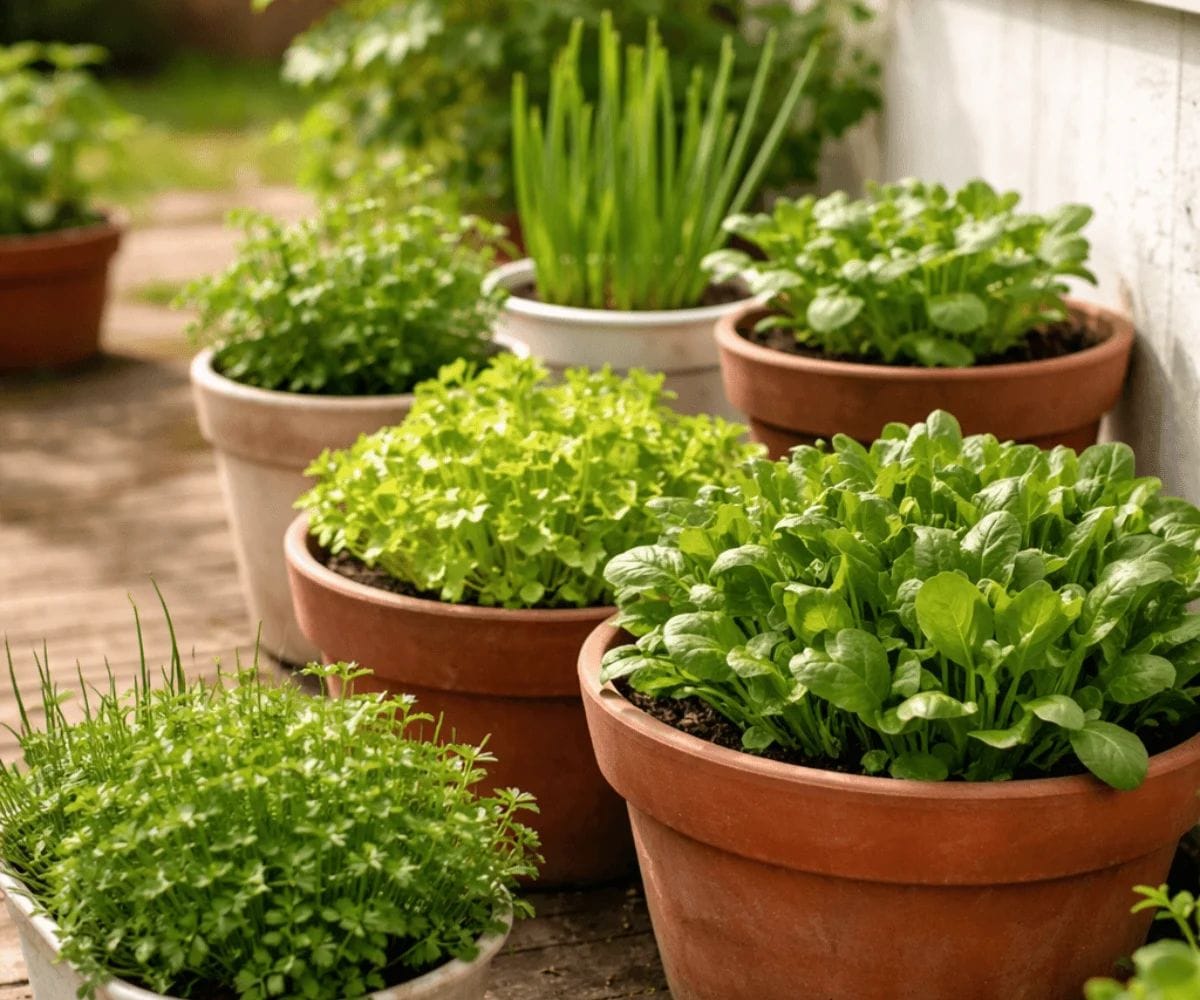
I was simply growing a few greens near the house, and that was the only difference.
How I Used to Buy Vegetables
Earlier, buying greens was automatic for me.
There was no real thinking involved.
I picked spinach, coriander, lettuce, and spring onions the same way every time, and most days they went straight into the basket.
In my head, meals were already planned, but in reality that plan rarely survived the week.
Some days I came home tired.
On other days, plans changed for no clear reason.
Sometimes, ordering food felt easier than chopping vegetables.
When I checked the fridge again, the greens were gone in a strange way.
They weren’t eaten. Instead, they were spoiled and forgotten.
They felt soft, smelled off, and were clearly past use.
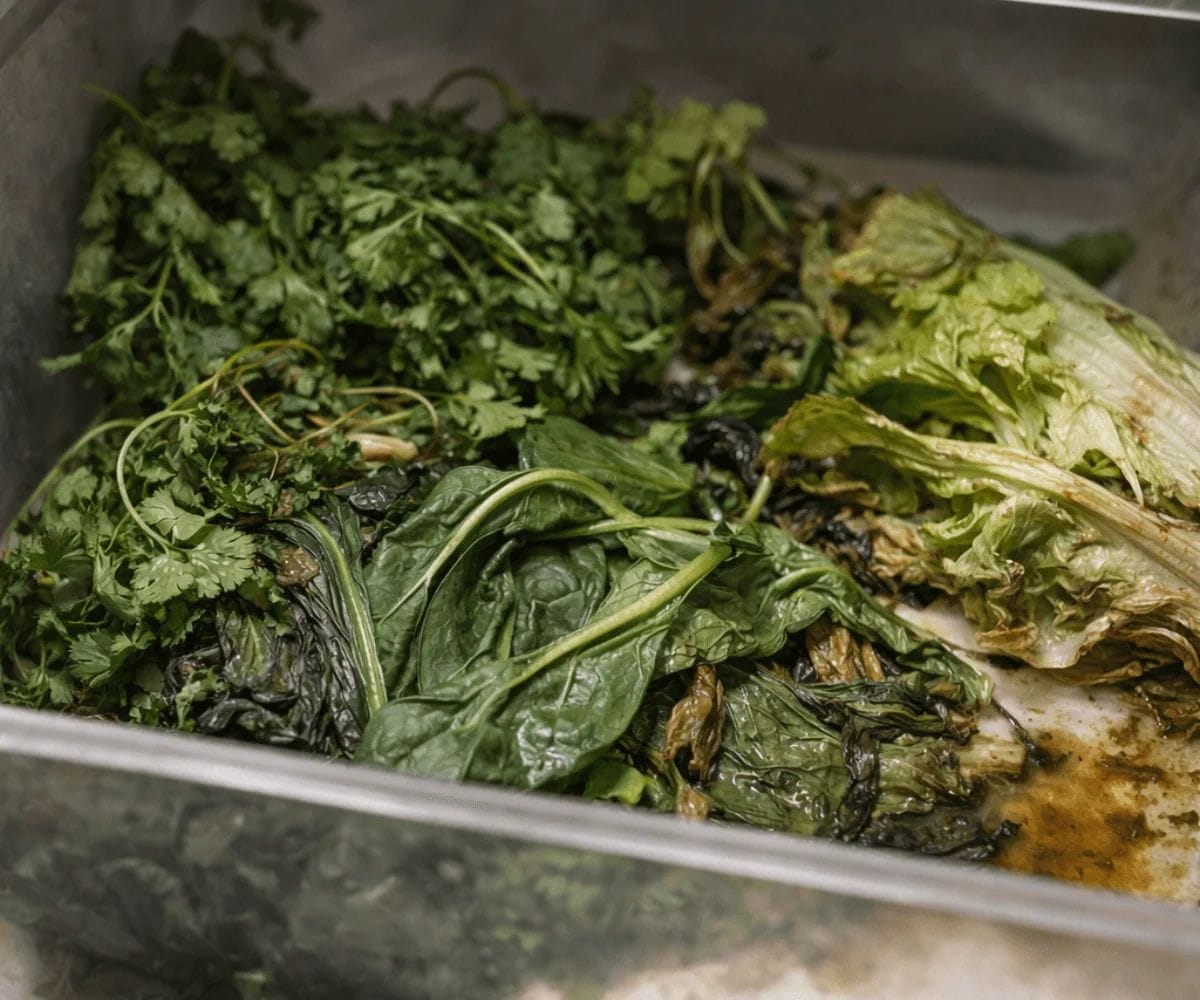
I remember throwing them out and feeling irritated more than guilty.
After a while, that cycle started feeling pointless.
What Changed When Greens Came From Home
Once greens started growing at home, shopping felt different.
Growing Herbs at Home Made Everyday Cooking Simpler
I stopped grabbing extras, and I no longer thought “just in case.”
The reason was simple.
I already had something waiting outside, alive and growing.
For people who don’t have outdoor space, a simple windowsill herb planter with self-watering support can make growing greens at home just as easy.
I never told myself to waste less food.
Instead, it happened quietly and naturally, without effort.
Why Store Greens Don’t Really Stand a Chance
Store greens are tired before you even touch them.
They travel long distances and wait on shelves.
By the time they reach your kitchen, time is already working against them.
As a result, the same problems keep repeating at home.
-
Buying more than needed
-
Forgetting what’s inside the fridge
-
Rushing to finish everything
-
Throwing food away anyway
This isn’t about being careless.
It’s simply how food reaches us today.
Growing your own greens quietly steps away from that system.
What Feels Different When Greens Are Nearby
Greens growing nearby don’t feel like groceries anymore.
They don’t shout “use me today,” and they don’t rush you.
You take a little when you need it and leave the rest alone.
Nothing complains, and that’s usually where waste disappears.
1. Taking Only What I Needed
This part surprised me the most.
I stopped cutting whole bunches without thinking.
Instead, I picked a few leaves at a time, sometimes three and sometimes five.
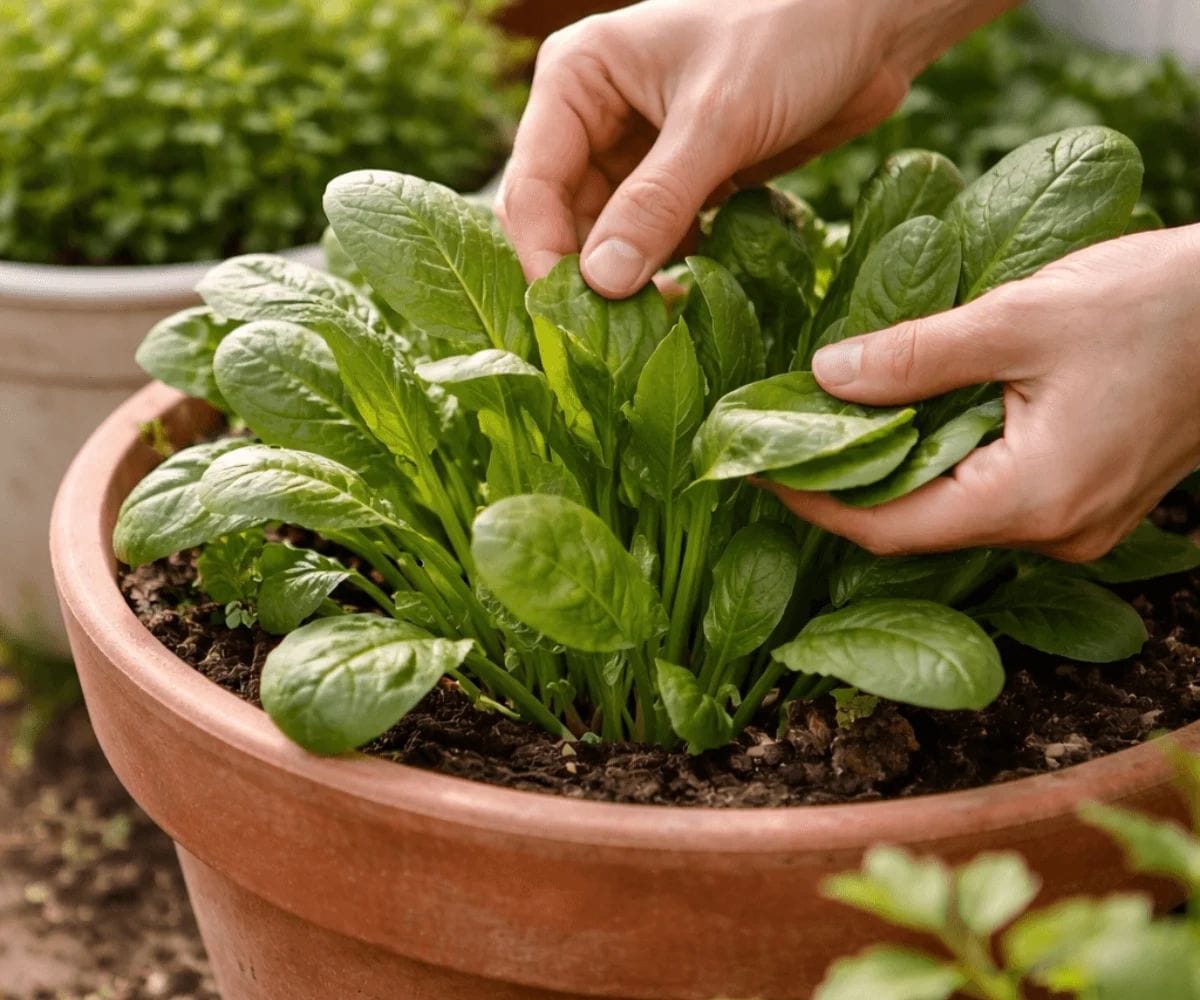
I used spinach for dal, coriander on top, and lettuce only when I felt like it.
The plant stayed where it was.
Dinner happened, and the trash stayed empty.
2. Freshness Stops Being a Problem
Greens don’t spoil when they’re still alive.
They don’t sit in plastic or sweat inside drawers.
They don’t get lost behind leftovers.
Instead, they simply wait.
Because of that, time stops feeling like an enemy, and you don’t race the fridge anymore.
How Cooking Changed Without Planning It
I didn’t cook more food.
Instead, I cooked more freely.
Because greens were always there, I added them without thinking.
One leaf, then another.
Meals stopped feeling strict, and that looseness mattered.
I didn’t buy too much, I didn’t cook too much, and I didn’t eat just to finish things.
Food adjusted to my day instead.
3. I Stopped Buying “Just in Case”
Earlier, I always kept backups.
Extra greens and extra ideas.
Most of it turned into waste anyway.
Once greens were growing, backups stopped making sense.
Plans changed, but it didn’t matter much because something was always there.
Waste Comes From Hurry, Not Carelessness
People don’t waste food because they don’t care.
Research also shows that food waste happens quietly in everyday homes, often because food feels rushed rather than ignored.
Food gets wasted because it feels urgent.
Finish it now. Use it today.
Plants don’t behave that way.
They wait, and that waiting changes how you behave too.
4. Others Notice It Too
Kids treat growing food differently.
Adults do too.
When you’ve seen something grow, you pause before wasting it.
That pause matters more than advice ever does.
Which Greens Make This Easy
Some plants make this habit easier than others, especially the ones that grow back after cutting.
-
Spinach
-
Leaf lettuce
-
Coriander
-
Fenugreek
-
Spring onions
You don’t pull them out.
You visit them instead.
The Fridge Slowly Changed
One day, I opened the fridge and stopped for a moment.
There were no half-used bundles and no forgotten greens.
Just space.
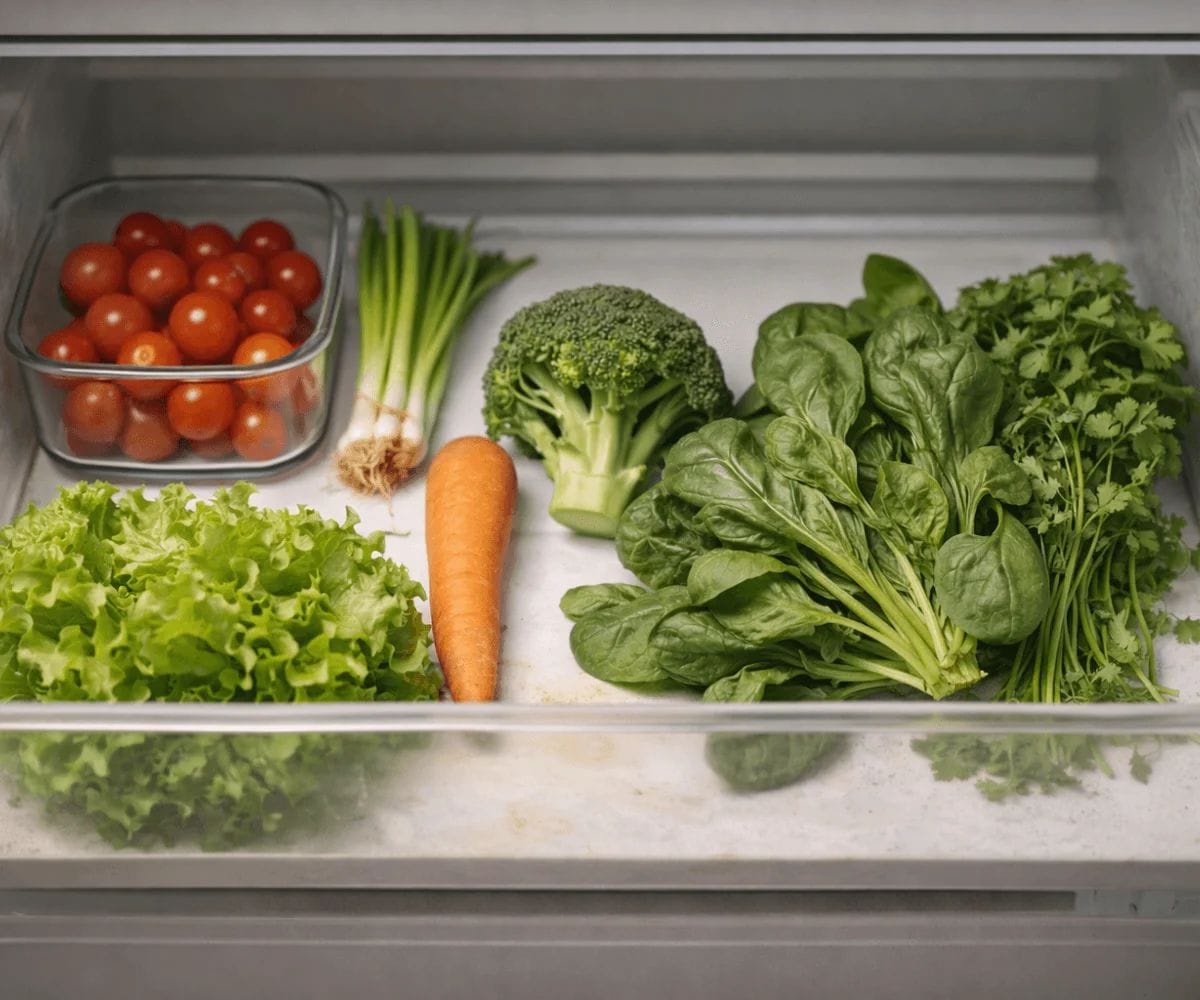
It wasn’t perfect, but it felt better than before.
5. Waste Reduced Without Tracking Anything
I never counted savings, and I never tracked waste.
It reduced on its own over time, and that’s probably why it lasted.
This Isn’t About Doing It Right
Some plants fail, and some leaves get missed.
That’s normal.
This isn’t about doing things perfectly.
Why Most Beginner Gardens Fail And How to Make Yours Work
It’s about making waste harder to happen.
Why This Works Almost Anywhere
You don’t need land for this.
A window works.
A balcony works too.
Even without outdoor space, a self-watering windowsill herb planter makes it easy to grow fresh greens indoors.
A few pots are enough.
Grow a little, pick slowly, and waste follows that pace.
Why This Habit Stays
Big changes need motivation.
Small habits don’t.
Growing greens quietly changes how you treat food, and after that, waste drops on its own.
What Greens Quietly Teach
They don’t rush.
They don’t punish mistakes.
They just grow.
You take what you need.
That’s why growing your own greens reduces food waste.
Not through discipline.
Not through rules.
Just by being around them.
And once that feeling settles in, it doesn’t really leave.
That’s when I truly understood that growing your own greens reduces food waste in a way that feels natural and effortless.