
This post may contain affiliate links, If you choose to buy through these links, I may receive a small commission at no additional cost to you.
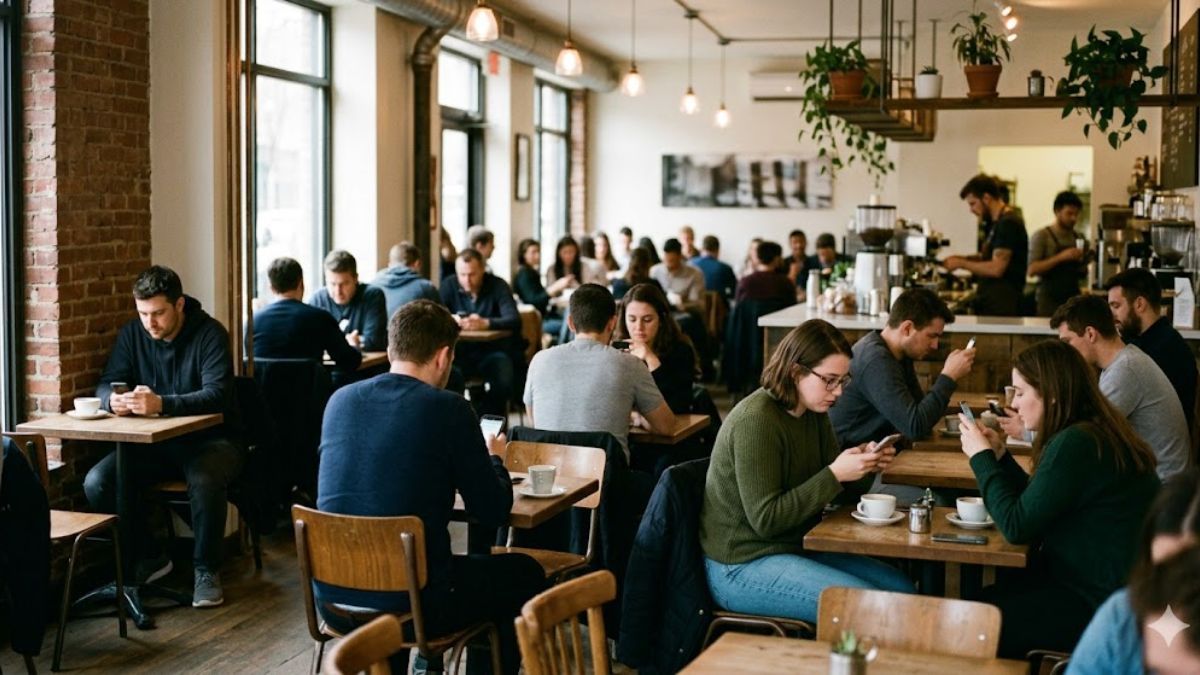
I was sitting in a crowded cafe last week, surrounded by at least fifty people. Everyone was on their phone. The silence was deafening.
It hit me then : we are the most “connected” generation in history, yet we’ve never been more alone. This isn’t just a sad feeling anymore; it’s a booming business. It’s called the Loneliness Economy, and if you haven’t noticed it yet, look closer at where people are spending their money lately.
It’s funny, isn’t it? Having five thousand friends on Facebook but nobody to call when our car breaks down at midnight is a strange reality. Hours are spent scrolling through the “perfect” lives of strangers, while our own neighbor’s name remains a mystery.
Humans were not built to live this way. For thousands of years, our ancestors survived because they belonged to a pack. Fast forward to today, we are trying to survive as isolated islands, and the cost is growing : not just emotionally, but financially.
Belonging used to be free. Local temples, neighborhood tea stalls, or even cousins living two streets away provided us with a natural support system. However, as we moved to big cities and traded real handshakes for LinkedIn endorsements, something broke. Now, millions of people are opening their wallets to buy back the community they lost. We are literally paying a “friendship tax” to feel like we belong somewhere.
1. Why is Everyone Suddenly Feeling So Alone?
If you check what people are searching for on Google these days, it’s not just “how to make money.” Queries like “how to find community” or “best social clubs near me” are trending globally.
The world has changed fast. Working from home, ordering food on apps, and binge-watching shows alone have become the new normal. Automation has slowly removed almost every natural human interaction from our daily routines. You can go a whole week in a city like New York or Bangalore without actually having a deep conversation with another human being.
This quiet kind of isolation creeps up on you unexpectedly. The traditional “Third Space” : that place between work and home where you just hang out : is rapidly dying. In Tier-1 countries like the US or UK, the local pub or church isn’t the go-to spot anymore.
Indian culture is shifting too, with close-knit colony life fading away in high-rise apartments. Living in boxes, traveling in boxes, and working in boxes has become the standard. When you remove these natural meeting spots, you get a void.
2. The New Market for Human Connection
And where there is a void, there is a market. This void is a hungry beast. Loneliness makes us anxious, tired, and desperate for a smile that isn’t a yellow emoji.
Smart businesses have realized that they don’t need to sell us products anymore; they need to sell us “access” to other people. They are monetizing the very thing that used to be our birthright.
Connection has officially become a high-ticket item. Whether it’s a premium networking event or an exclusive hobby group, the price of entry is growing. Our social lives are slowly becoming just another line item on a bank statement.
3. The Death of the Sunday Service and the Rise of the “Social Membership”
It sounds crazy, right? Paying $200 a month just to have a place to sit and talk to people? But that’s exactly what’s happening in major cities.
Old-school religious spaces and community halls offered us a “tribe” for free. Those institutions gave us a reason to show up every week, wear our best clothes, and check in on each other.
Today’s generation might be skeptical of traditional institutions, but they are still desperate for the tribe. We don’t want the ritual, but we crave the community.
This is why we see “Social Clubs” exploding in popularity globally. It’s not just about a fancy chair or fast WiFi. People are paying for several key things:
-
Curated Friendships: They want to be in a room with people who think like them, earn like them, and dream like them. It’s friendship with a filter.
-
Safety: A moderated space where you won’t get trolled like on Twitter. Having a place where you can be yourself without the fear of a “dislike” button is worth the price.
-
Accountability: Clubs for running, reading, or even “deep work” where others push you to be better.
Since we’ve lost the internal drive to do things alone, we now pay for a group to watch us do it.

4. Are We Subscription-Basing Our Friendships Now?
Think about your monthly bills for a second. Netflix, Spotify, Gym… and now, maybe a “Community Fee”? This is the core of the Loneliness Economy.
Companies realized that “connection” is the new luxury. We are moving from the “Attention Economy” (where apps stole our time) to the “Connection Economy” (where apps sell us back our time with others).
Apps now exist that charge you a premium just to join “exclusive” dinner parties with strangers. Co-working spaces have turned into adult playgrounds where the “community manager” is the most important employee.
Management isn’t just selling office space; they are selling the chance that you might actually have a conversation with another human being at the coffee machine.
It feels like we’ve forgotten how to say “Hello” unless someone organizes a “Networking Mixer” for us. We are becoming customers of our own social lives.
Instead of inviting a neighbor for coffee, we sign up for a $50 “Coffee & Connect” event. This outsourcing of social skills to corporations makes us forget how to do it naturally.
5. High-Income Skills vs. High-Quality Connections
We spend so much time learning AI tools or chasing high-income skills, but the most expensive thing in 2026 is actually a loyal circle of friends.
Mental burnout is a very real threat. You can have all the money in the world, but if you have nobody to share a laugh with, that money feels heavy.
Hustle culture in Tier-1 cities is insane. But humans aren’t built to be solo productivity machines. We are social animals.
When we don’t have a group, our health suffers. Science says loneliness is as bad for you as smoking 15 cigarettes a day.According to the U.S. Surgeon General’s advisory on the epidemic of loneliness, social isolation is a significant public health crisis that needs urgent attention.
Looking at it that way, a $1,000 yearly membership to a social club suddenly looks like a “health investment” rather than a luxury.
But here’s the kicker: You can’t actually “buy” a friend. Contacts, colleagues, or networking partners are easy to purchase. But a friend?
Friendship takes time, vulnerability, and a lot of unpaid effort. The Loneliness Economy tries to skip the “boring” part of building a friendship and give you the “fun” part immediately.
Anything built without a foundation doesn’t last.
Read Also: Top 10 High-Income Skills: Earn More in Less Time with AI Leverage
6. Global Trends: From SoHo House to Local Trekking Groups
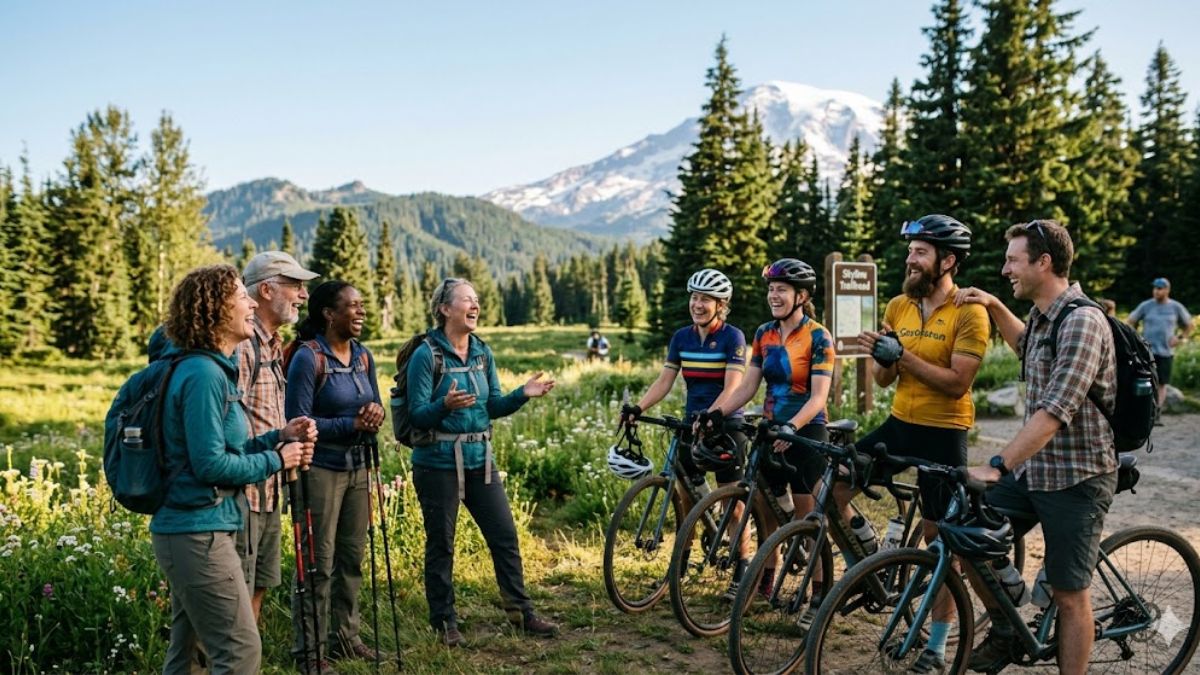
This isn’t just a “Western” problem. India is catching up fast. Look at the rise of weekend trekking clubs in Bangalore or cycling groups in Mumbai.
Tired of the “scroll,” people are looking for real experiences. They want to sweat, laugh, and complain about work with real people.
Feeling the dirt under their boots and the sun on their face with someone who isn’t an Instagram follower is the goal.
In the US, clubs like SoHo House paved the way, but now it’s becoming more niche. There are clubs specifically for:
-
Sober Living: People who want to socialize without alcohol. They want real talk, not “drunk talk.“
-
Digital Nomads: People who move every month and need an instant “office family.” They are buying a home away from home.
-
Bio-hackers: People who want to sit in ice baths and talk about longevity. Bonding over shared pain and health goals is a powerful thing.
7. The Dark Side: Is the Loneliness Economy Exploitative?
Let’s get real for a second. Is it right that we have to pay for something that used to be a human right? There’s a risk here.
If only the wealthy can afford “community,” what happens to everyone else? Does the middle class just stay lonely at home while the rich pay for “human connection”?
When “belonging” becomes a product, we start treating people like networking opportunities rather than friends.
You’re not just my buddy; you’re a “valuable contact in my premium club.” That’s the danger.
We might be buying a crowd, but are we actually buying a connection?
If the only reason we are together is because we both paid the same membership fee, is that a real bond? Or is it simply a matter of money rather than a real bond?
8. How to Find Your Tribe Without Breaking the Bank
You don’t always need a high-end membership to beat the Loneliness Economy.
If you’re feeling the weight of the “digital fog,” here’s how to fight back for free:
-
Start a “Micro-Community”: Invite three neighbors for tea once a week. No phones allowed. It’ll be awkward for the first 10 minutes, but then the magic happens.
-
Volunteer: Nothing builds a bond faster than working toward a common goal. When you help others, you forget your own isolation.
-
The 10-Minute Rule: Instead of texting, call one person every day for 10 minutes. A voice carries more emotion than a thousand texts ever will.
Reclaiming our streets, our balconies, and our local parks is essential. We need to stop waiting for an app to tell us when to be social. Relearning the art of making ‘unfiltered’ real-world connections is the only way out.
Read Also: Digital Detox at Home: Practical Ways to Reduce Screen Overload
9. What This Means for the Future of Lifestyle
By the end of this decade, the way we design our lives will revolve around “Human-Centric” spaces.
Co-living apartments where the living room is shared will become more common. We are going to see more “Social Wellness” centers where you go to talk instead of just lift weights.
The Loneliness Economy is a wake-up call. It tells us that our digital-first lifestyle is failing us.
We are hungry for touch, eye contact, and shared laughter. Realizing that a life spent behind a screen is a life half-lived is the first step.
The future isn’t more VR; the future is more “Real Reality.” As we spend more time in these hybrid or co-living spaces, our physical well-being remains a top priority. To maintain a healthy posture while staying connected, the Besign LS03 Aluminum Laptop Stand is an essential tool that elevates your laptop to eye level, reducing neck and back strain during long digital hours.
10. Why Your Most Expensive Membership Might Still Leave You Lonely
Look, we can subscribe to all the high-end social clubs in the world. We can spend thousands of dollars to be in the “right” rooms with the “right” people.
But here is the catch: The Loneliness Economy can sell you a crowd, but it can’t sell you a connection. You can be in a room of a hundred people and still feel like a ghost.
At the end of the day, we are paying millions for these new groups because we’ve forgotten the simple, messy, and free art of just being human.
Vulnerability has been traded for curated networking. We’ve traded a neighbor’s help for a community manager’s “service.“
We’ve become so afraid of being “boring” or “awkward” that we only want to meet people in “controlled” environments.
The next time you’re tempted to join a new digital group or a fancy social club, ask yourself one thing: Am I looking for a tribe, or am I just trying to silence the quiet? If the answer is the latter, no amount of money will fix it. The best “social club” in the world doesn’t have a membership fee.
It’s just two chairs, a hot cup of tea, and a friend who actually knows your story.If you’re looking for a way to enjoy your favorite books without straining your eyes, the Gritin 9 LED Rechargeable Book Light is a perfect companion, offering eye-caring brightness and an incredible 80-hour runtime.
Before you hit that “Subscribe” button on your next community app, maybe try hitting a “Call” button on an old friend instead.
Exiting the Loneliness Economy is only possible through real effort. Real life is happening outside the paywall. Go find it.
FAQ
1. How much does loneliness cost the economy?
It’s not just a “sad feeling” : it’s a massive financial hit to the world. In the US alone, social isolation among older adults costs the healthcare system (Medicare) about $6.7 billion every single year. When you look at it globally, the loss in productivity due to mental health issues is estimated at nearly $1 trillion. This is exactly why the Loneliness Economy isn’t just a trend; it’s a multi-billion dollar business sector in 2026.
2. What did George Orwell say about loneliness?
George Orwell, the man who predicted the future in his book 1984, had a very dark but true take on this. He once said, “All pollutions come from loneliness.” He believed that when we are isolated, we lose our grip on what is real and true. In our world of “Digital Loneliness,” his words are a warning: our screens have become the new pollutions that keep us away from real human warmth.
3. Why is loneliness a social problem?
Loneliness is a failure of how we’ve built our modern society. We live in high-rise boxes, work from home on laptops, and do everything through apps. We’ve accidentally destroyed the “Third Spaces”: those local parks, small tea stalls, or cafes where people used to just “be” together. When a whole society gets lonely, health goes down, people stop trusting each other, and happiness disappears.
4. Do 73% of Gen Z report feeling alone sometimes or always?
Sadly, yes. It’s a shocking number, but the data shows that 73% of Gen Z feel lonely either sometimes or all the time. Think about that : the generation that is “online” 24/7 is actually the loneliest group of people on the planet. This deep, painful hunger for real-world connection is exactly what’s driving them to spend money on new Social Groups to escape the digital fog.