
This post may contain affiliate links, If you choose to buy through these links, I may receive a small commission at no additional cost to you.
A few years ago, growing plants was something many people saw only as a hobby.
But quietly, something started changing.
Small growers began discovering that certain plants could bring surprisingly steady income – even from balconies, small backyards, or unused land that once felt too small to matter.
Profitable plants to grow can quietly transform small gardens, terraces, or unused land into steady income sources when the right high-value crops are selected.
Growers who are just starting can first learn simple beginner – friendly gardening techniques in our Easy Vegetables to Grow at Home for Beginners guide.
Many growers across the world have discovered that choosing the right plants often matters far more than the total land size they own.
Some began with a backyard corner.
Others started on apartment terraces.
A few even began with just a small shaded area behind their homes.
The difference was never the size of the space.
The difference was choosing crops that the market already wanted.
According to global agricultural market reports, specialty crops and niche horticulture markets continue to grow worldwide, creating new income opportunities for small growers.
Many beginner growers start with a complete gardening tool kit to make planting, soil preparation, and harvesting easier from the first day.
1. Bamboo – The Fast-Growing Structural Crop

Bamboo grows quickly and is used in furniture, landscaping, eco-construction, fencing, and crafts.
Many growers like bamboo because once planted and stabilized, yearly maintenance is relatively low compared to seasonal crops.
Early years require patience, but mature bamboo groves can produce consistent harvest cycles for decades.
2. Lavender – A Small Plant With Multiple Revenue Streams
Lavender rarely depends on one income source.
Fresh bundles, dried flowers, oils, soaps, sachets, candles, and cosmetic ingredients all come from the same crop.
Growers often notice that value-added products generate more income than raw flowers, especially in tourist areas and online stores.
Lavender remains one of the most profitable plants to grow for small-scale farmers looking for steady seasonal income.
3. Ginseng – A Long-Term Premium Crop
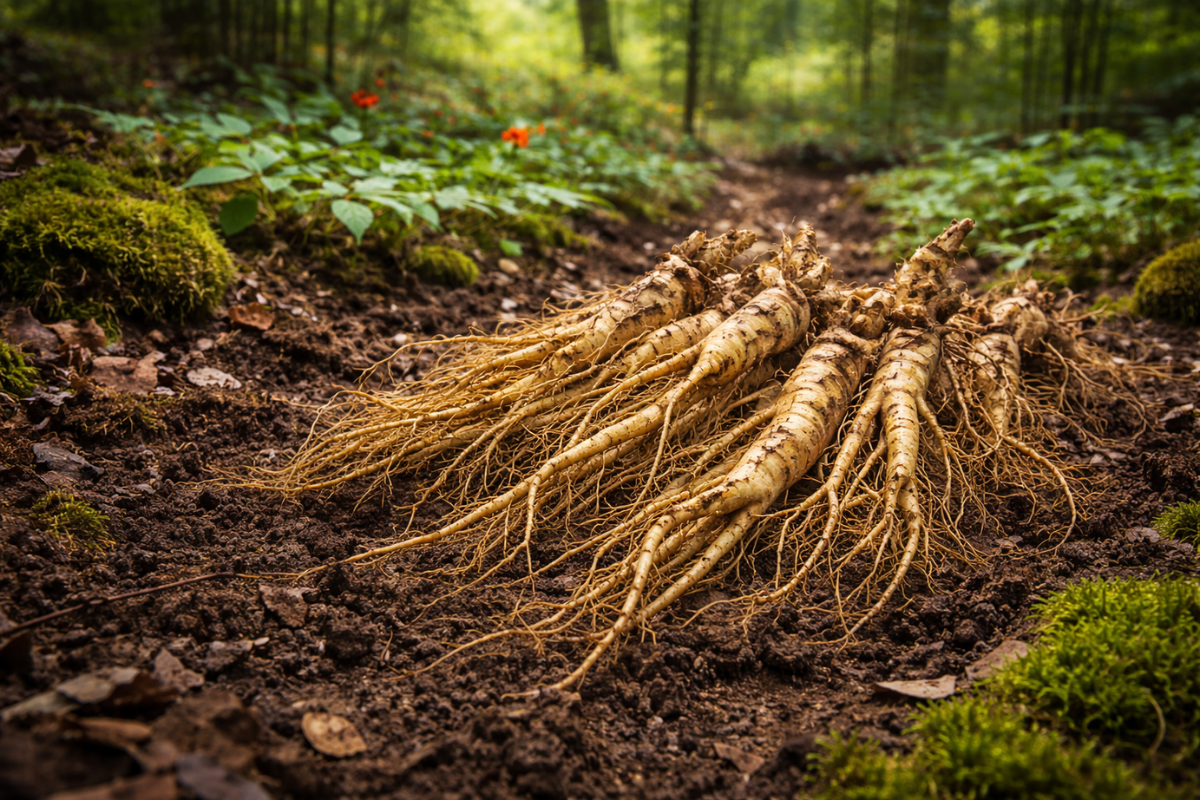
Ginseng demands patience. Some growers wait 6–8 years before harvesting.
However, high-quality roots are prized in herbal medicine markets, particularly across East Asia and North America.
Small woodland farmers often treat ginseng like a slow retirement crop that quietly grows in the background.
4. Wasabi – Difficult to Grow, Highly Rewarding
Wasabi cultivation requires controlled humidity, shade, and cool temperatures.
Because few growers can maintain these conditions successfully, restaurants and specialty food distributors often pay premium prices.
Even small greenhouse setups can become profitable once consistent quality is achieved.
5. Saffron – High Value From Small Land Areas
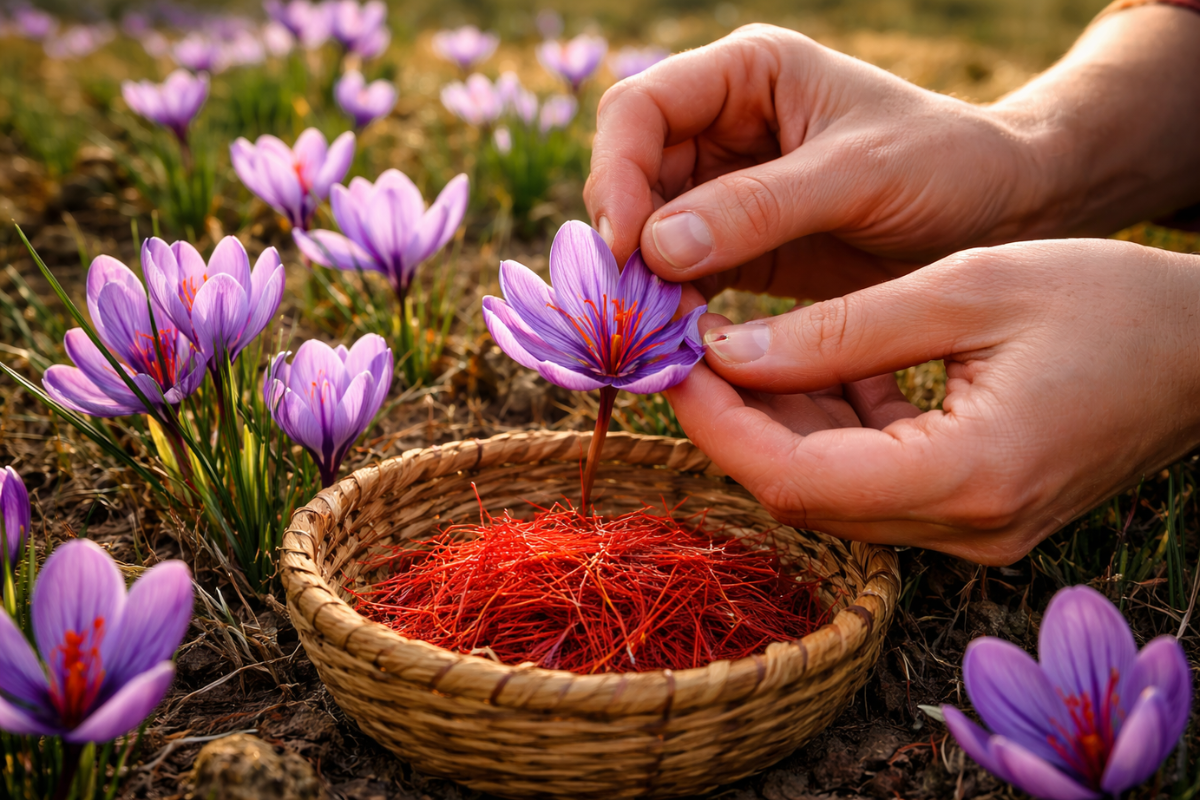
Saffron is labor-intensive but extremely valuable.
A small plot can generate surprisingly strong seasonal income if harvesting and drying are handled carefully.
Many growers combine saffron farming with direct-to-consumer online sales to maximize margins.
6. Microgreens – Fast Cash Flow Crop
Many beginner growers use seed starter trays with humidity domes to improve germination rates and maintain consistent plant growth during early stages.
Microgreens are among the fastest-turnover crops in urban agriculture.
Some varieties are harvested within 10–14 days, allowing continuous weekly sales to restaurants, grocery stores, and home delivery customers.
Because they require little space, microgreens often become the first profitable crop for beginner growers.
Microgreens are considered among the fastest profitable plants to grow because they produce harvests within weeks.
If you want to begin small-scale growing using kitchen waste, you can also read How to Turn Kitchen Scraps Into Useful Garden Fertilizer.
7. Gourmet Mushrooms – Indoor Farming Advantage
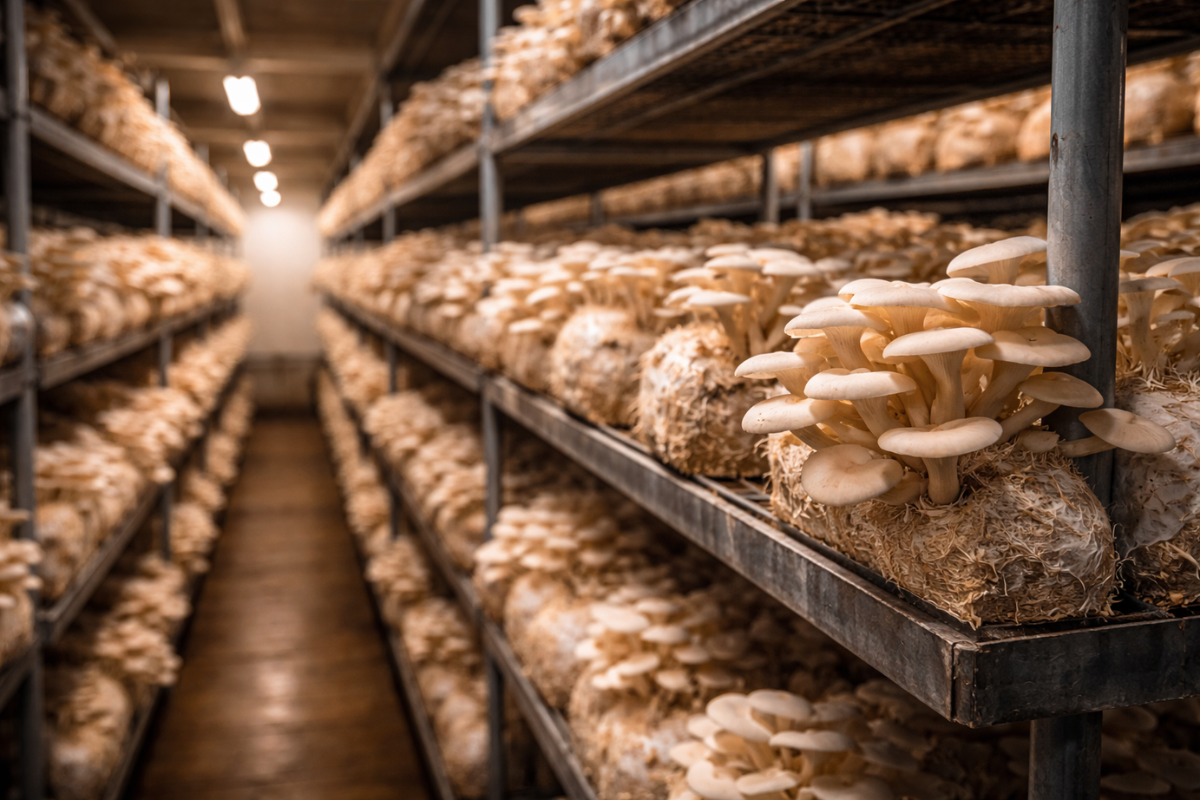
Oyster, shiitake, and lion’s mane mushrooms continue gaining demand worldwide.
Indoor controlled environments allow growers to produce consistently regardless of climate, creating predictable monthly income.
Indoor mushroom farming is becoming one of the most reliable profitable plants to grow in limited urban spaces.
8. Bonsai Trees – Art Meets Agriculture
Bonsai cultivation is slow but highly specialized.
Collectors, interior designers, and hobbyists often pay premium prices for well-trained trees that took years to shape.
Some growers combine bonsai sales with workshops, increasing both income and customer engagement.
9. Gourmet Garlic – Small Crop, Strong Margins
Specialty garlic varieties such as purple stripe or black garlic command higher prices than standard commercial garlic.
Restaurants and organic grocery stores often prefer unique varieties for flavor differentiation.
Proper curing and branding significantly increase profitability.
10. Cut Flowers – Subscription-Friendly Business Model

Local flower subscriptions are becoming increasingly popular.
Instead of selling only at markets, many growers offer weekly bouquet delivery plans that guarantee steady income throughout the blooming season.
11. Culinary Herbs – Reliable Restaurant Demand
Fresh herbs like basil, rosemary, thyme, mint, and parsley rarely go out of demand.
Small restaurants often prefer buying from nearby growers for freshness and faster delivery.
Herbs also grow well in containers, allowing urban and terrace farming businesses to scale gradually.
12. Landscaping Shrubs and Trees – Long-Term Nursery Profits
Nursery plants require patience but bring consistent long-term sales.
Landscapers, real-estate developers, and homeowners frequently purchase shrubs and young trees for garden design projects.
Once a nursery system is established, repeat customers become common.
13. Japanese Maple – Premium Ornamental Tree Market

Japanese maple varieties are highly valued for landscaping due to their unique foliage colors and shapes.
Collectors often pay premium prices for rare cultivars, especially mature grafted specimens.
14. Specialty Berries – Health Market Demand
Goji berries, elderberries, aronia berries, and haskaps continue gaining popularity in health-focused markets.
Processing berries into dried packs, syrups, or jams often increases total profit compared to selling fresh fruit alone.
15. Heirloom Tomatoes – Flavor-Driven Premium Pricing
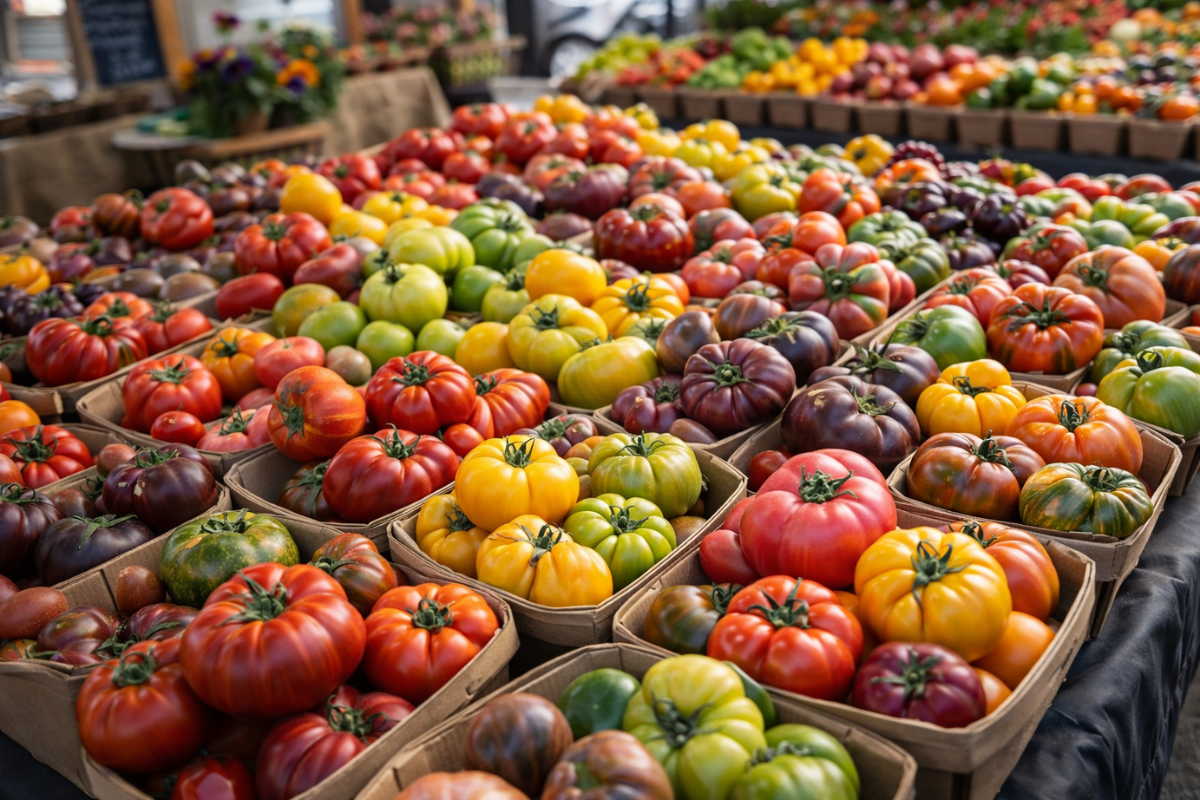
Heirloom tomatoes stand out because supermarkets rarely supply the same diversity of colors, shapes, and flavors.
Restaurants, farmers markets, and direct home deliveries often pay higher prices for visually striking varieties.
What Most Profitable Growers Learn Early
After observing many successful small-scale plant businesses, a few consistent patterns appear:
-
High-value crops matter more than large land size
-
Direct local selling often beats wholesale pricing
-
Value-added products multiply profits
-
Controlled indoor growing increases stability
-
Patience crops (trees, ginseng, bamboo) build long-term income
Most growers do not depend on only one plant.
They combine fast cash-flow crops (microgreens, herbs, mushrooms) with long-term investment crops (trees, bamboo, specialty roots).
The Quiet Reality of Plant-Based Income
Many growers also combine these crops with Simple Sustainable Lifestyle Ideas for Everyday Living to reduce costs and improve long-term profits.
These profitable plants to grow show that even small spaces can generate meaningful income when the right crops are selected.
Over time, most successful growers realize something simple but powerful – plant-based income rarely comes from a single crop.
It grows step by step.
One fast-growing crop brings early cash flow.
Another slower crop matures quietly in the background.
A few seasons later, the system begins supporting itself.
These profitable plants to grow show that income from plants is less about luck and more about choosing crops that people are already searching for and buying regularly.
Many growers say the turning point came when they stopped asking, “What is easiest to grow?” and started asking, “What do people already pay premium prices for?”
That small shift often changed everything.
And somewhere between the early experiments, first successful harvests, and repeat buyers, what once felt like a simple gardening hobby slowly began behaving like a real income stream — one that keeps growing season after season.