
This post may contain affiliate links, If you choose to buy through these links, I may receive a small commission at no additional cost to you.
Raised Bed Gardening for Beginners: Complete Setup Guide was not something I planned to try.
It happened because I was honestly tired of watching plants struggle in my backyard soil.
From a distance, the ground looked fine.
When I planted vegetables, though, results were always unpredictable.
Some plants grew fast, others stayed tiny, and a few disappeared completely after heavy rain.
I kept thinking I was doing something wrong.
Later I realized the soil itself was the real problem.
A neighbor once mentioned raised beds and said, “Try one small bed first. You’ll see the difference.”
I didn’t fully believe it, but I built a simple wooden box one weekend just to experiment.
That single step changed how I looked at gardening.
Plants grew faster, watering became easier, and the whole process felt less confusing.
If you’re new to gardening, raised beds don’t magically make everything perfect, but they remove many early frustrations so learning becomes smoother.
1. Why Raised Beds Help Beginners So Much
When you garden directly in the ground, you work with whatever soil already exists.
Sometimes it’s clay, sometimes sandy, sometimes compacted from years of walking over it.
Fixing large areas of soil takes time.
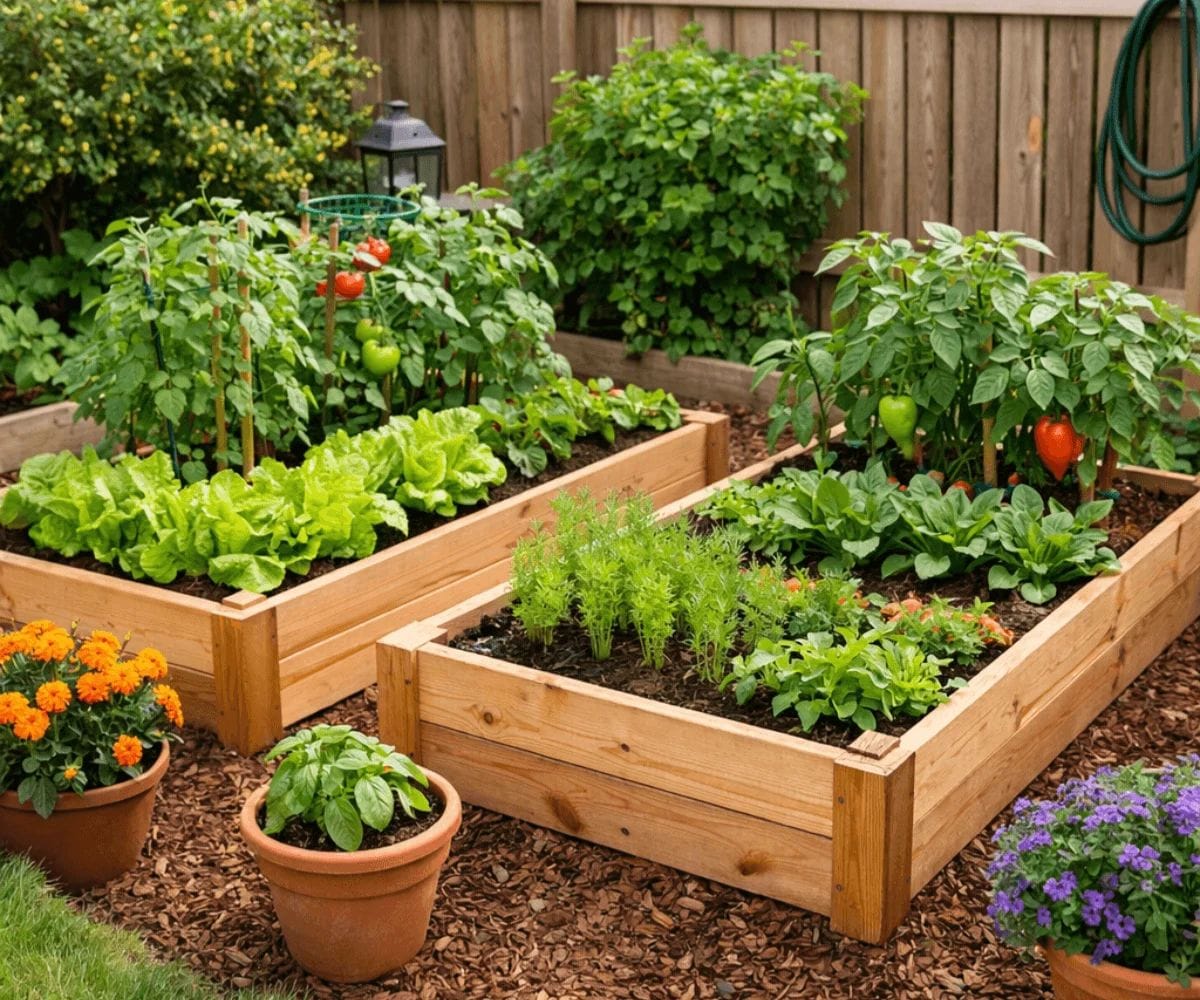
Raised beds solve this by creating a small controlled space.
You fill it with better soil, and plants immediately respond to that change.
Even beginners notice how roots spread faster and leaves look healthier.
Another unexpected benefit is mental clarity.
Instead of looking at the entire yard and wondering where to begin, you focus on one defined growing area.
That small sense of structure makes gardening feel manageable from the very beginning.
2. Picking the Right Spot Before Building
Raised Bed Gardening for Beginners is easier when you start with one small bed instead of trying to improve the entire garden space at once.
The first time I built a raised bed, I almost placed it in a shaded corner simply because that area looked empty.
Luckily, I waited a day and noticed how sunlight moved across the yard.
That small observation saved me from a common mistake.
Most vegetables need several hours of sunlight daily.
Watching the space for a day or two tells you more than guessing.
Morning sunlight is especially useful because plants dry faster after watering or rain, reducing leaf problems.
Another thing I learned: beds closer to the house get more attention.
If you see the plants daily, watering and small maintenance tasks happen naturally instead of feeling like extra work.
If space is limited, our Small Space Gardening Ideas for Apartments and Urban Homes article shows practical ways to start gardening in compact areas.
3. Materials: Simple Is Completely Fine
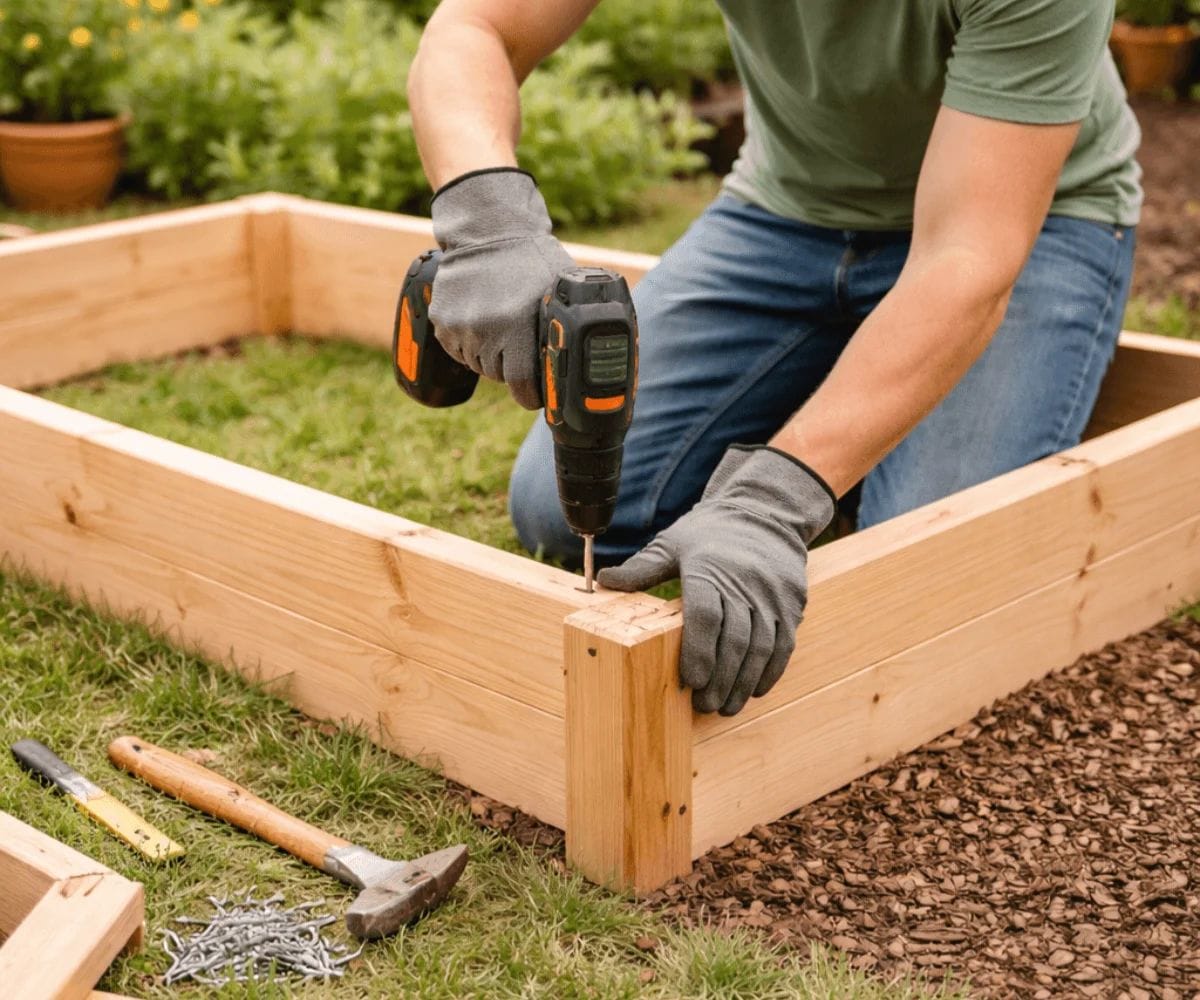
Many gardening videos show expensive ready-made kits, but my first raised bed was made from basic wooden boards bought at a local hardware shop.
It wasn’t perfectly straight, and the corners didn’t look professional, yet it worked better than anything I had tried before.
Wood is popular because it’s easy to assemble and affordable.
Some people use bricks, metal frames, or recycled materials, which also work well.
For a durable long-term option, the Land Guard Galvanized Raised Garden Bed Kit offers a sturdy metal design that lasts for many gardening seasons.
The important thing is stability and proper drainage, not decorative perfection.
Gardens rarely reward perfection.
They reward consistency.
4. Getting the Size Right the First Time
One thing I wish someone told me earlier is not to make the bed too wide.
My first design looked spacious, but I couldn’t reach the center easily.
I had to lean awkwardly or step inside, which compacted the soil.
A width of about four feet works comfortably for most people because you can reach everything from the sides.
Length can vary depending on available space, but keeping the structure manageable makes daily care easier.
Gardening becomes enjoyable when simple tasks feel comfortable instead of inconvenient.
5. Filling the Bed With Soil That Supports Growth
The frame is only the structure; the soil inside determines how successful the bed will be.
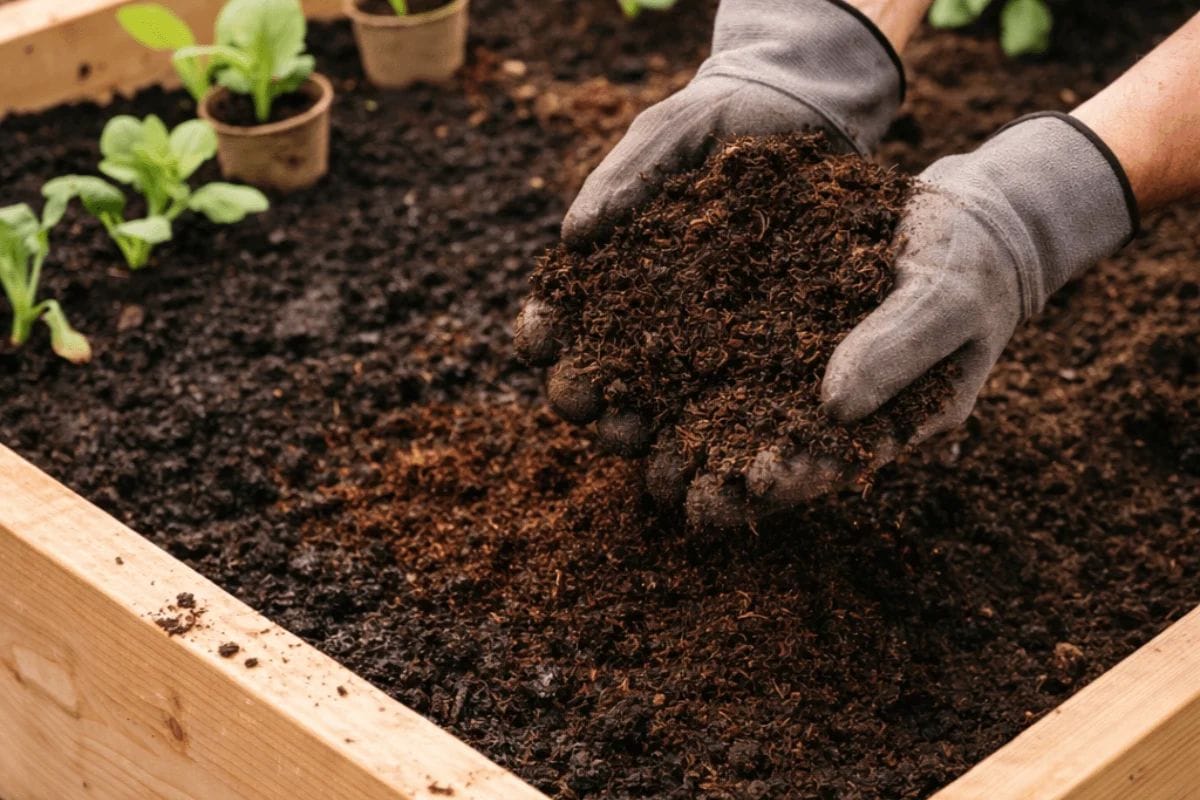
When I filled my first bed with a mix of compost and garden soil, the difference in plant growth was noticeable within weeks.
Compost improves both nutrition and soil texture.
You can also read these soil preparation tips for improving garden soil quality before planting.
Roots move more easily, water drains better, and plants recover faster after hot days.
Over time, adding fresh compost each season keeps the soil productive without needing complicated fertilizers.
Healthy soil quietly solves many gardening problems before they even appear.
For improving soil moisture retention and seed germination, the Burpee Organic Coconut Coir Concentrated Seed Starting Mix is a lightweight and beginner-friendly growing medium.
6. Choosing Plants That Build Confidence
Many beginners try to grow too many things at once.
I made the same mistake and quickly realized crowded beds create more problems than variety.
Starting with a few dependable crops works better : leafy greens, beans, herbs, and tomatoes are common beginner choices because they adapt well and show visible progress quickly.
Watching plants respond positively encourages regular care, and regular care is what truly improves results.
You can also read our Easy Vegetables to Grow at Home for Beginners guide to select plants that grow quickly in raised beds.
7. Watering Without Overcomplicating Things
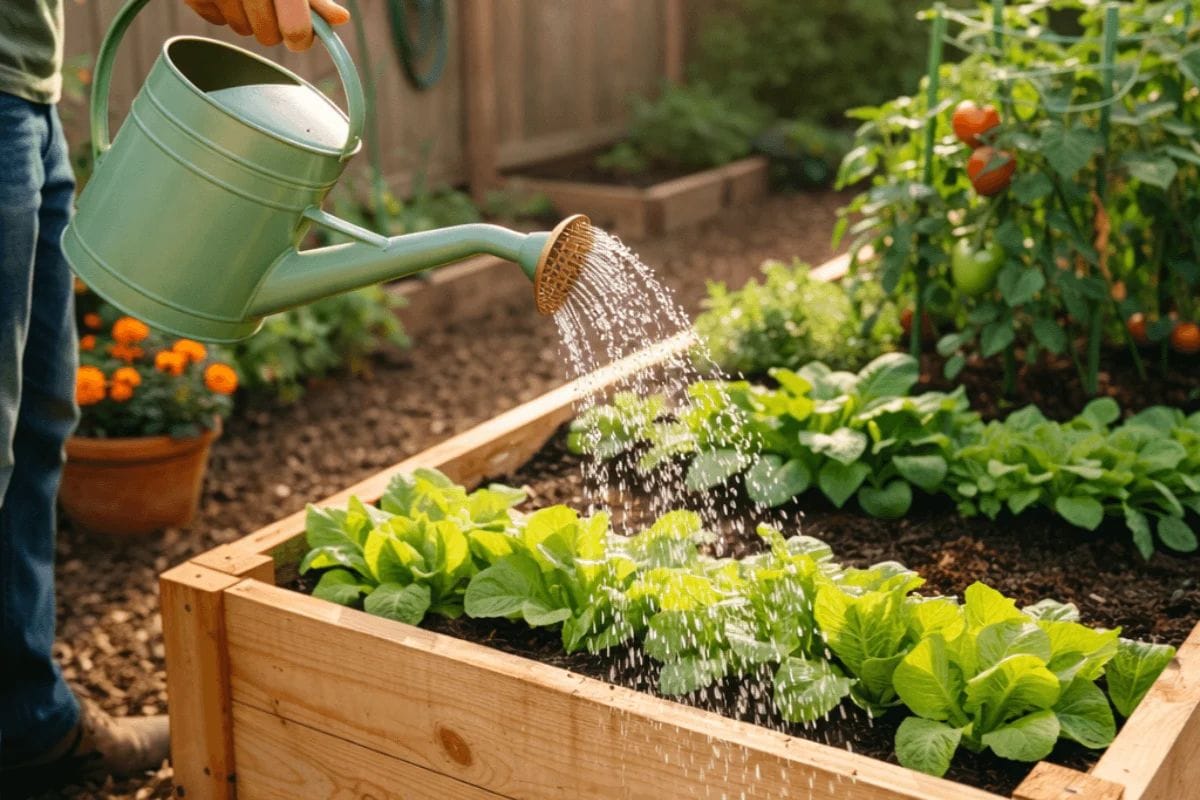
Raised beds usually drain faster than ground soil, which means consistent watering matters.
Instead of watering lightly every day, deeper watering a few times per week often keeps roots healthier.
Mulch helps more than many beginners expect.
A simple layer of dry leaves or straw keeps moisture in the soil longer and reduces temperature changes during hot afternoons.
I started using mulch mainly to reduce watering frequency, but it ended up improving plant growth overall.
8. What Happens After the First Successful Season
For many homeowners, Raised Bed Gardening for Beginners becomes the most practical way to grow healthy vegetables even in limited space.
The interesting part about raised beds is what happens after the first harvest.
Gardening stops feeling like an experiment and begins to feel predictable.
You start recognizing patterns : which plants grow fastest, where sunlight is strongest, and how soil improves with time.
Many gardeners who begin with one raised bed naturally add another the following season.
Not because they planned expansion, but because the process becomes enjoyable.
Watching a small area gradually turn green creates a sense of progress that’s difficult to describe until you experience it.
Raised beds do not guarantee a perfect garden, but they remove enough uncertainty that learning becomes easier and more rewarding.
Often, that first small bed quietly becomes the beginning of a garden that continues growing year after year.