
This post may contain affiliate links, If you choose to buy through these links, I may receive a small commission at no additional cost to you.
Simple sustainable lifestyle changes at home didn’t happen for me overnight.
It started on a very ordinary morning.
I noticed how much water I wasted while washing dishes. Lights stayed on in empty rooms.
The trash bin filled faster than I expected. None of it felt dramatic. Just small things quietly adding up.
That’s how real change usually begins.
Not with big promises. Just quiet awareness.
These simple sustainable lifestyle changes at home helped me reduce waste, save money, and make my home feel calmer – without giving up comfort or convenience.
A sustainable lifestyle at home doesn’t mean living like a monk or following strict rules.
It simply means doing a little better than yesterday, in ways that actually fit real life.
1. Paying Attention to Daily Habits at Home
The first change didn’t involve buying anything new.
It was simply paying attention.
Sustainability often starts with noticing patterns. What do you use every day? What do you throw away without thinking?
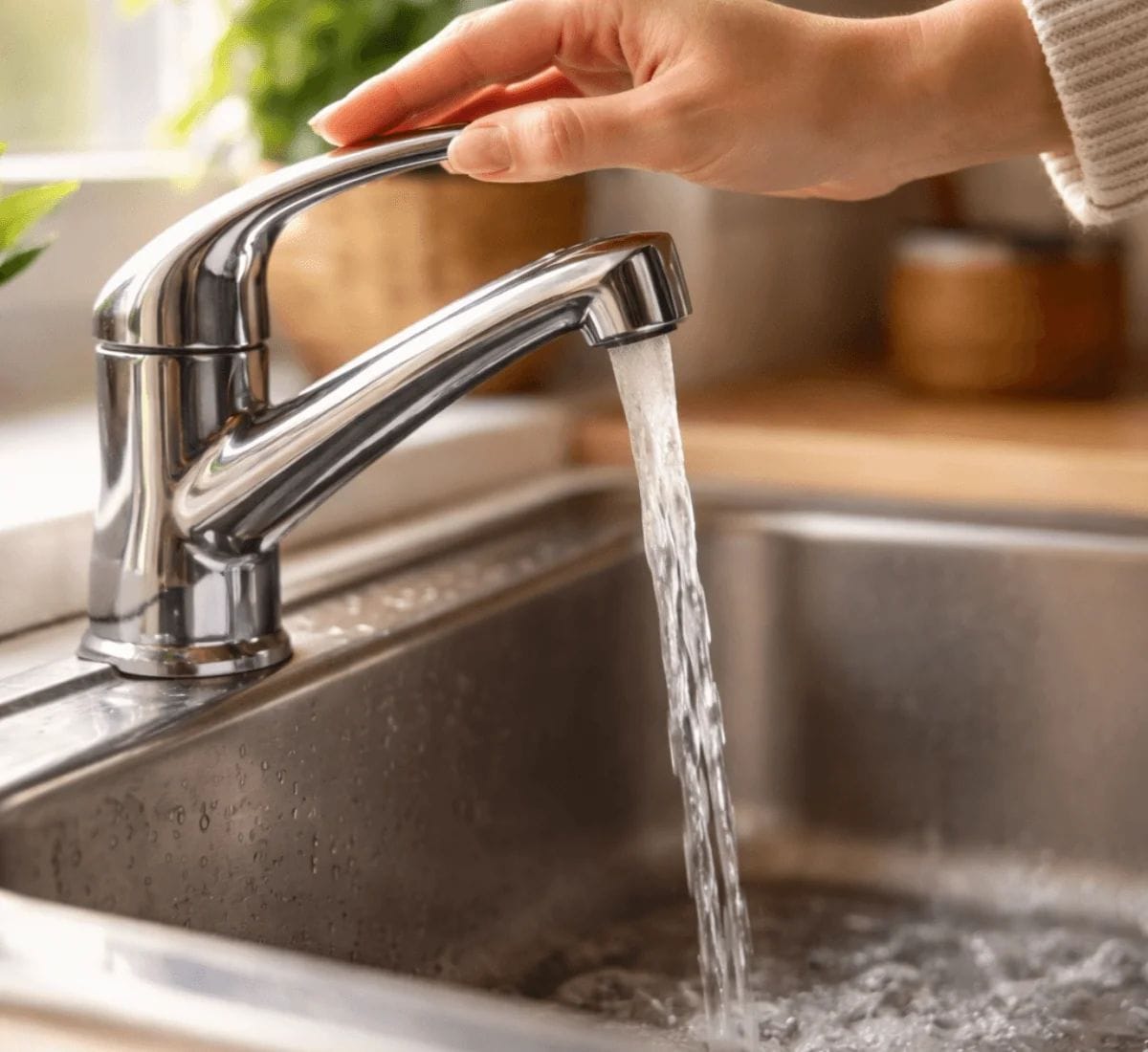
For example, I used to leave the tap running while brushing my teeth. It felt harmless. Once I made a small effort to turn it off, it became automatic within a week.
That one habit alone saved more water than I expected.
Small shifts like this don’t feel impressive, but they matter over time.
Simple ideas that worked at home:
-
Turning off lights when leaving a room
-
Using daylight instead of switching on lamps
-
Running the washing machine only with full loads
These aren’t rules. Just gentle reminders that slowly become habits.
2. Reducing Waste Without Stress
For a long time, I thought sustainable living meant producing zero waste.
That idea felt heavy and unrealistic.
Instead, I focused on reducing waste where it felt easiest.
The biggest surprise was the kitchen.
Food waste was the main issue. Leftovers forgotten. Vegetables hidden at the back of the fridge.
This happens in almost every home, no matter the country.
Now I plan meals loosely. Not perfectly. Just enough to avoid buying more than we need.
Some days it works well. Some days it doesn’t. And that’s okay.
Simple waste-reducing habits that helped:
-
Using leftover food the next day
-
Keeping reusable bags near the door
-
Choosing products with less packaging
You don’t need fancy containers. Reused glass jars work just fine.
Keeping a set of durable canvas reusable grocery bags near the door makes it easier to avoid single-use plastic during everyday shopping.
3. Rethinking Home Cleaning Products
Cleaning products were another area where change came naturally.
Strong chemical smells always bothered me, but I ignored it for years.
One day I switched to a simple vinegar and water mix for daily surface cleaning. It worked.
I’m not saying homemade cleaners solve everything. But for everyday cleaning, they’re often more than enough.
Now I use fewer products overall, and the home feels lighter because of it.
What helped most:
-
One multipurpose cleaner instead of many bottles
-
Washing cloths instead of disposable wipes
-
Air-drying mops and cloths so they last longer
The house still feels clean. Maybe even fresher.
4. Using Energy More Mindfully at Home
Energy use is easy to ignore until the bill arrives.
I didn’t change everything at once. I made small adjustments that felt realistic.
Switching off power at the socket when devices weren’t in use made a visible difference over time.
Unplugging chargers overnight became a habit without effort.
Fans and lights don’t always need to run at full speed or brightness.
It’s not about living in the dark. It’s about using only what’s needed.
Small energy-saving habits:
-
Turning off appliances fully instead of standby mode
-
Using fans before switching on air conditioning
-
Opening windows in the morning for fresh air
Slowly, the home felt more connected to natural rhythms.
Many of these habits are also recommended by environmental agencies like the U.S. Environmental Protection Agency for everyday sustainable living.
Rechargeable energy-efficient LED bulbs can help reduce electricity consumption while also providing backup lighting during power outages.

5. Choosing Quality Over Quantity
This change required a mindset shift.
I used to buy things because they were cheap. Over time, they broke, faded, or stopped working.
Then I replaced them. Again and again.
Now I pause before buying and ask one question:
Will I still use this next year?
Sometimes the answer is no. Then I don’t buy it.
Buying fewer things made the home calmer. Less clutter. Less regret.
This applies to:
-
Clothes
-
Kitchen tools
-
Home décor
Sustainability often looks like buying less, not buying differently.
Choosing well-made, fewer items also makes decorating easier -you can focus on what truly brings comfort and personality to your space, like low-budget rustic decorating ideas for warm and inviting homes.
6. Bringing Sustainability Into the Kitchen
The kitchen quietly shapes daily life.
I didn’t change what I eat overnight. I simply adjusted how I cook and store food.
Cooking at home more often reduced packaging waste without effort.
Storing food properly helped it last longer.
Seasonal vegetables also tasted better. That was an unexpected bonus.
No strict rules. Just better awareness.
What helped most:
-
Cooking simple meals at home
-
Using lids while cooking to save energy
-
Buying local produce when possible
The kitchen became less rushed and more intentional.
7. Making the Home Feel Closer to Nature
Sustainability isn’t only about saving resources. It’s also about how a space feels.
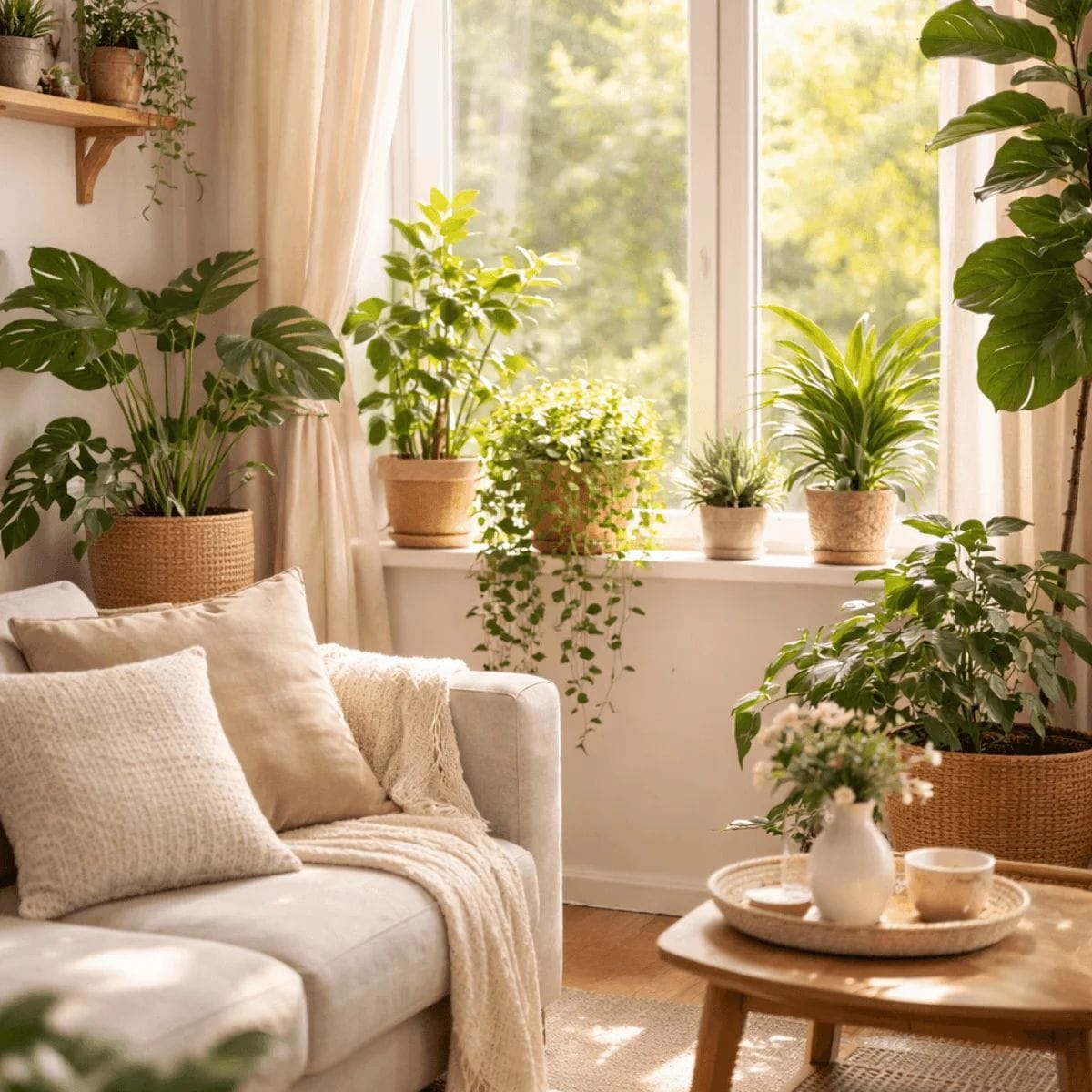
Adding plants changed the mood of my home more than expected. The air felt better. Rooms felt alive.
Even one or two plants make a difference.
I didn’t choose rare plants. Just easy ones that survive real life.
Simple nature-friendly ideas:
-
Indoor plants near windows
-
Letting fresh air in daily
-
Using natural materials like wood or cotton
A home that feels closer to nature naturally encourages mindful living.
8. Teaching Sustainability Through Daily Life
When you live with others, habits spread faster than advice.
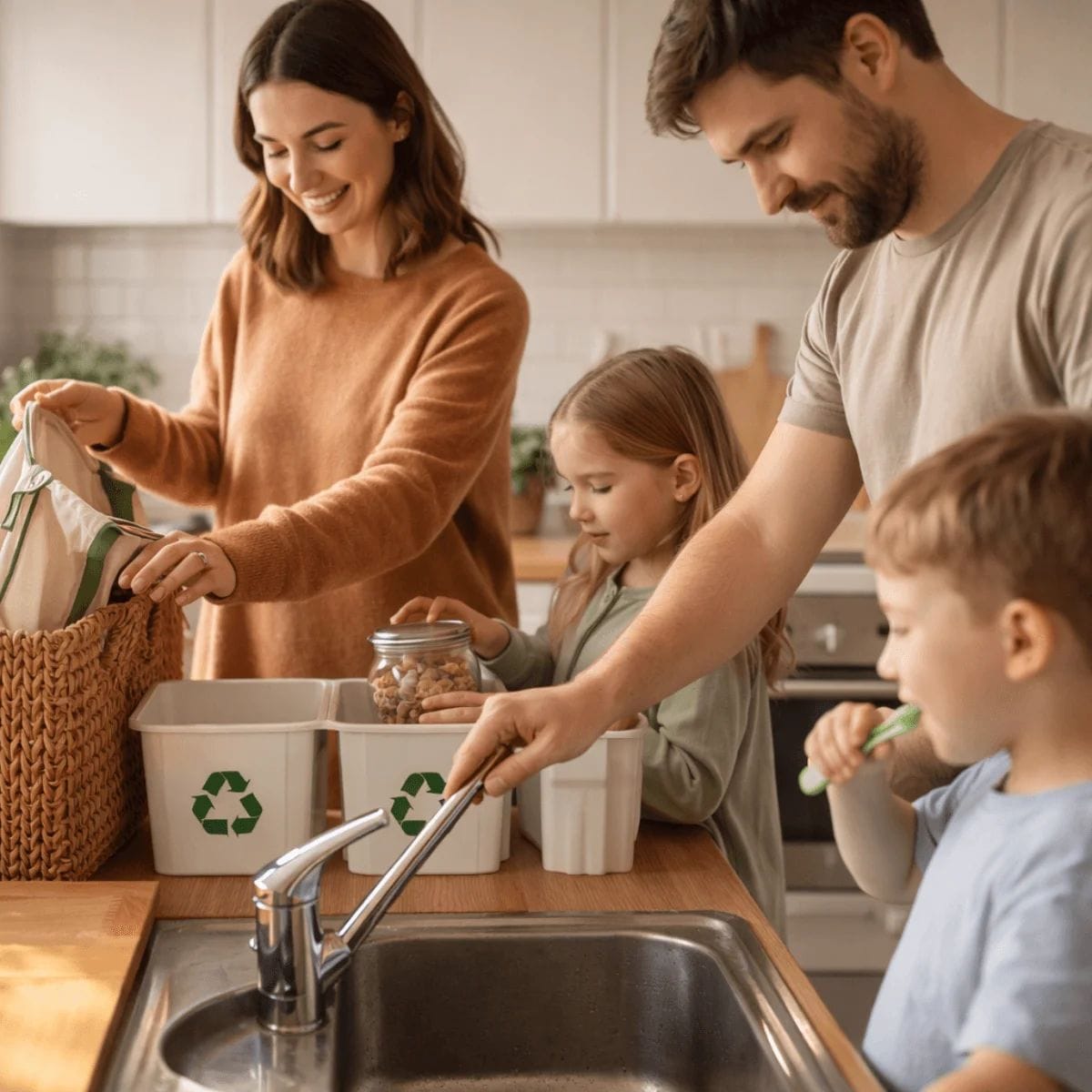
I noticed that when I stopped wasting water or reused bags, others followed without discussion.
Sustainability becomes normal when it’s visible, not forced.
Children especially learn by watching, not being told.
Leaving reusable bags near the door or casually sorting waste makes it part of daily rhythm.
9. Accepting Imperfection
Some days I forget. Some days I waste. That’s real life.
A sustainable lifestyle at home isn’t about perfection. It’s about intention.
Doing something is always better than doing nothing.
Progress may feel slow, but it’s steady. And that’s enough.
Why These Simple Changes Matter
These simple sustainable lifestyle changes at home don’t feel revolutionary.
They feel normal – and that’s the point.
When sustainability fits into daily life, it lasts.
Simple sustainable lifestyle changes at home work best when they become part of everyday routines, not special efforts.
If even one small habit from this home feels doable today,
that’s already a step toward a more sustainable life.
A home doesn’t need to be perfect.
It just needs care, awareness, and small honest effort.