This post may contain affiliate links, If you choose to buy through these links, I may receive a small commission at no additional cost to you.
Zero-Budget Gardening: How to Start a Garden Using Only Recycled Materials was not something I proudly decided one day.
Honestly, it started because I did not want to spend money before knowing whether I would continue gardening.
For a long time, I kept telling myself, “I’ll start next month.”
However, next month became another month, and then another.
The reason was simple. Every time I checked what was needed, I saw long lists – containers, soil bags, fertilizers, and tools.
Individually, none of them were expensive. Still, together they made gardening feel like something that required heavy preparation.
Because of that, starting felt difficult.
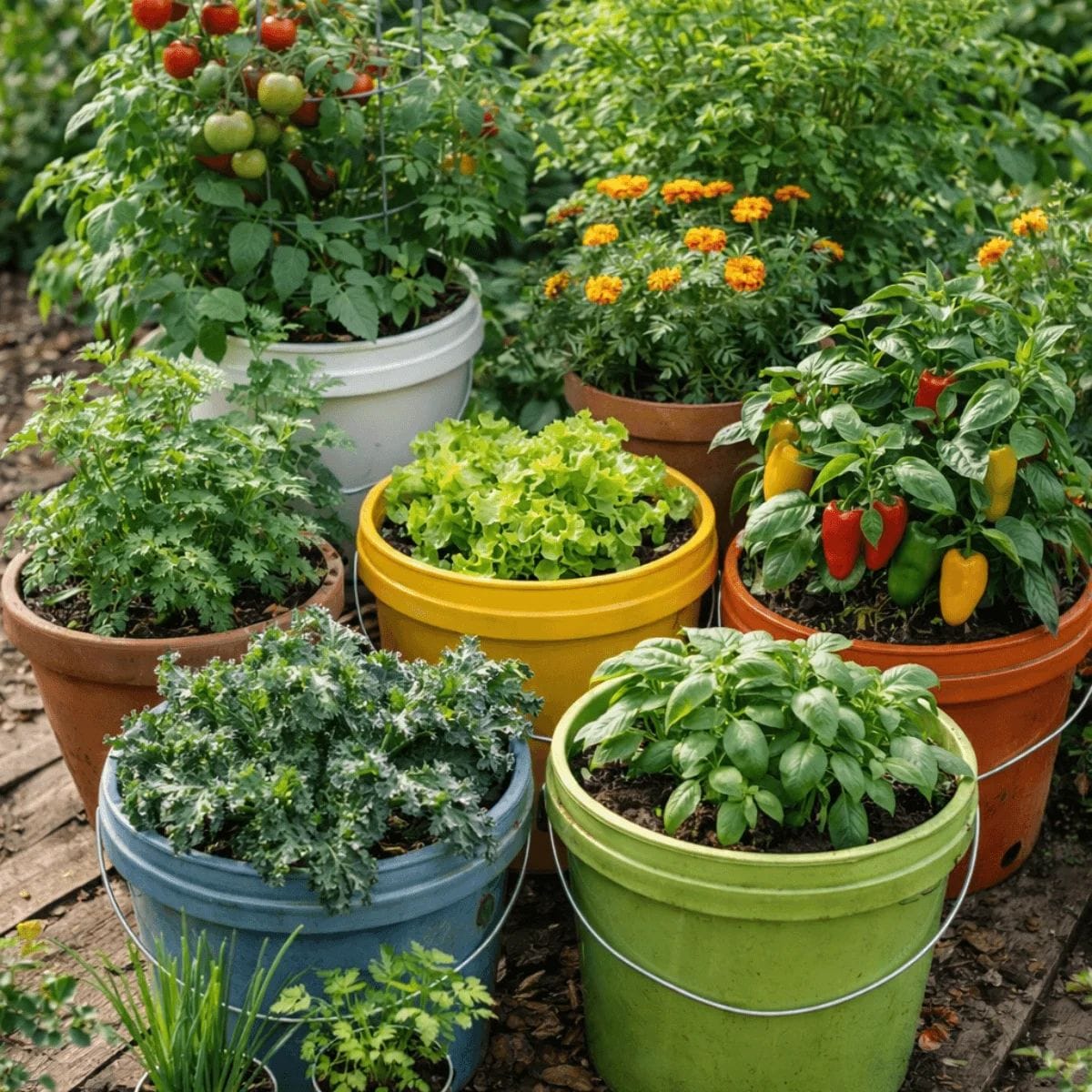
One afternoon, while cleaning an old storage space, I noticed two empty paint buckets and a few plastic boxes that nobody had used in years.
Instead of planning everything, I simply filled one bucket with soil.
Then I planted a few chili seeds from the kitchen and placed it near the balcony wall.
“I placed it there, curious to find out whether the seeds would grow.”
After about a week, small green shoots appeared.
They were tiny and easy to miss.
Yet that small moment changed something.
Gardening had quietly started without waiting for permission.
That small step became my first real experience with zero budget gardening and showed me that starting does not require expensive preparation.
1. The First Thing That Changes Is Not the Garden – It’s How You Look at Things
Once I planted those first few seeds, something interesting happened.
I started noticing usable gardening items everywhere.
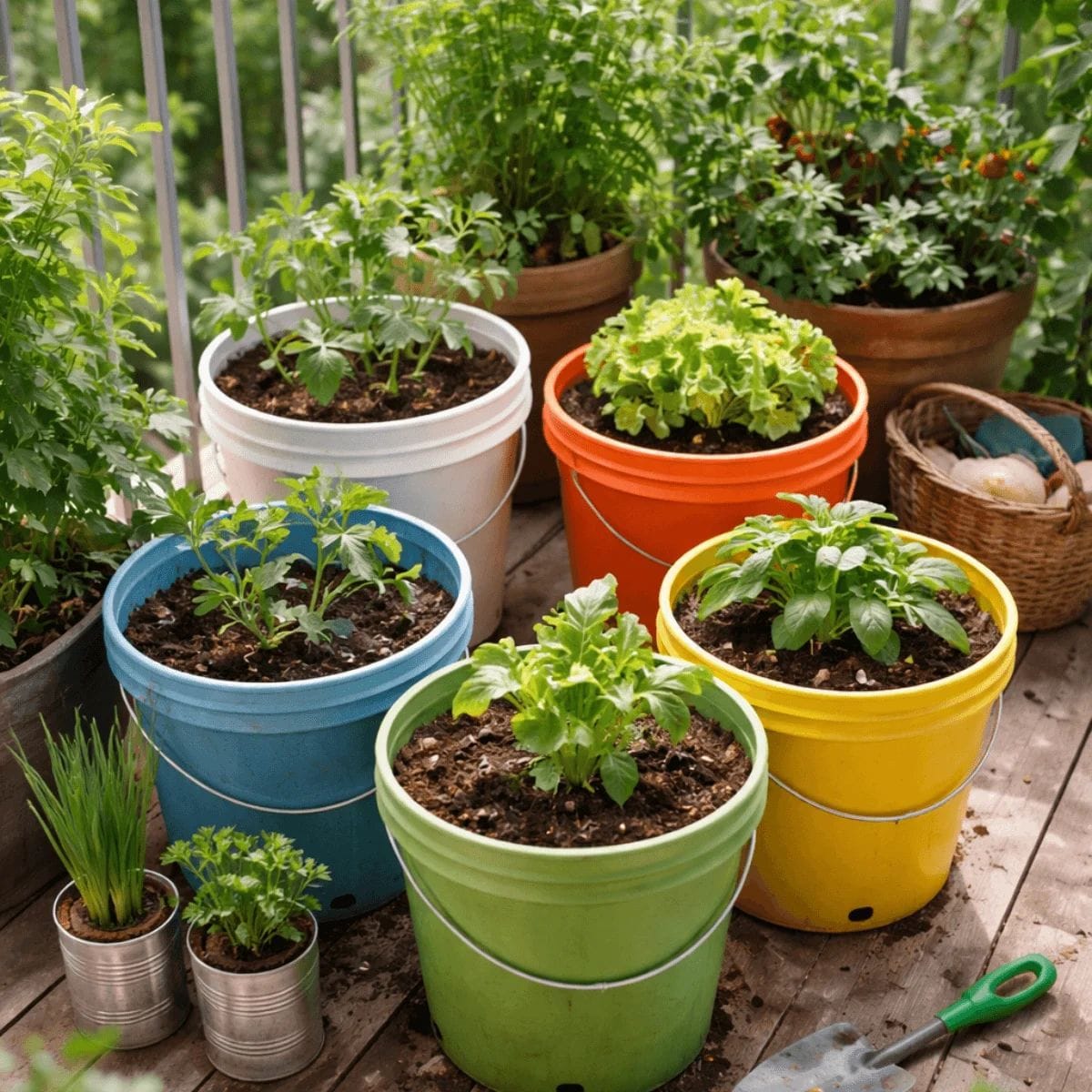
For example, an old cooking oil can suddenly looked like a planter.
Similarly, a cracked storage tub looked repairable.
Even strong cardboard boxes started looking useful instead of disposable.
Earlier, I had probably thrown away many such items without thinking.
Later, I began keeping them aside “just in case.”
Within a few weeks, I had more containers than I needed, and I had not bought a single one.
At the beginning, the containers did not look nice together.
They were different in shape, size, and color.
However, once plants began growing, the containers slowly stopped being the focus.
Leaves covered the edges, and the garden started looking alive rather than arranged.
If you are working with limited space, you may also like our guide on small space gardening ideas for apartments and urban homes.
2. The Kitchen Quietly Starts Supporting the Garden
Another realization came slowly.
The kitchen produces useful gardening material every day.
Vegetable peels, fruit skins, tea powder, and coffee grounds usually go straight into the trash.
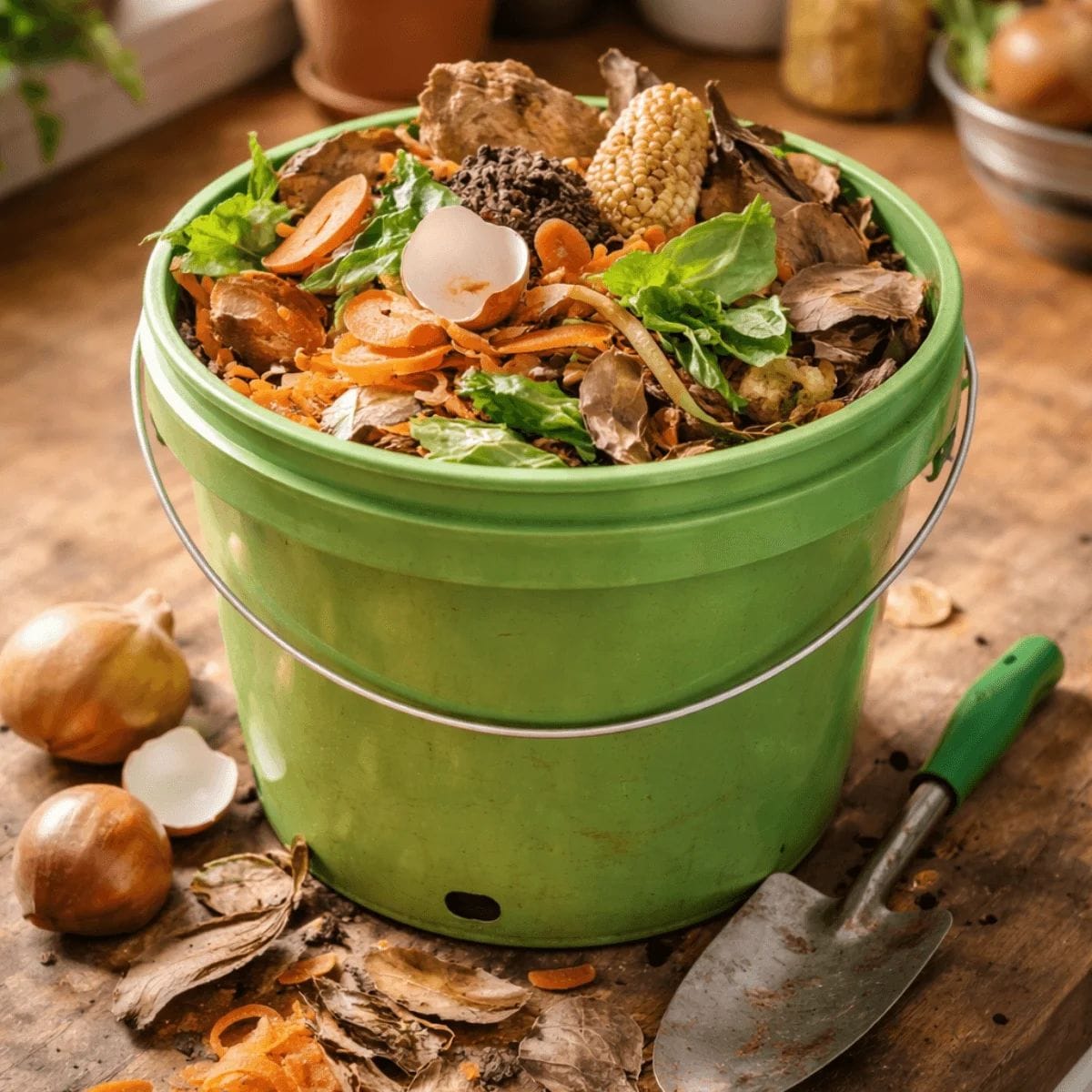
Instead, I began collecting these scraps in a simple bucket with some dry leaves.
A small countertop compost bin like the Perfnique Kitchen Compost Bin makes it easy to collect kitchen scraps daily while keeping the area clean and odor-free.
There was no perfect composting method.
Sometimes I forgot to mix it.
At other times, it stayed untouched for days.
Even then, over time, the material slowly turned into dark compost.
That compost became the main food for my plants.
After a few months, I noticed I was hardly buying fertilizers.
Not because I made a rule, but simply because I did not need them anymore.
At that point, the garden began feeling self-sustaining.
A compact indoor compost container like the EPICA Countertop Compost Bin helps store daily kitchen scraps neatly without odor before adding them to your garden compost.
For more detailed composting basics, you can also read the RHS composting guide
3. Seeds Are Already Part of Daily Life
In the beginning, I assumed seeds had to be purchased.
Later, I realized many vegetables we cook already carry seeds ready to grow.
Tomatoes, chilies, coriander, and beans grow easily from saved seeds.
In addition, herbs like mint grow quickly from small stems placed in water.
Watching something grow from what used to be kitchen waste feels surprisingly satisfying.
Instead of buying plants, it feels like continuing something that had already started in the kitchen.
Using reused buckets and household items makes zero budget gardening easy even for beginners.
4. Solving Problems Without Spending Usually Works
Weeds appeared at some point, and my first reaction was to think about buying weed-control sheets.
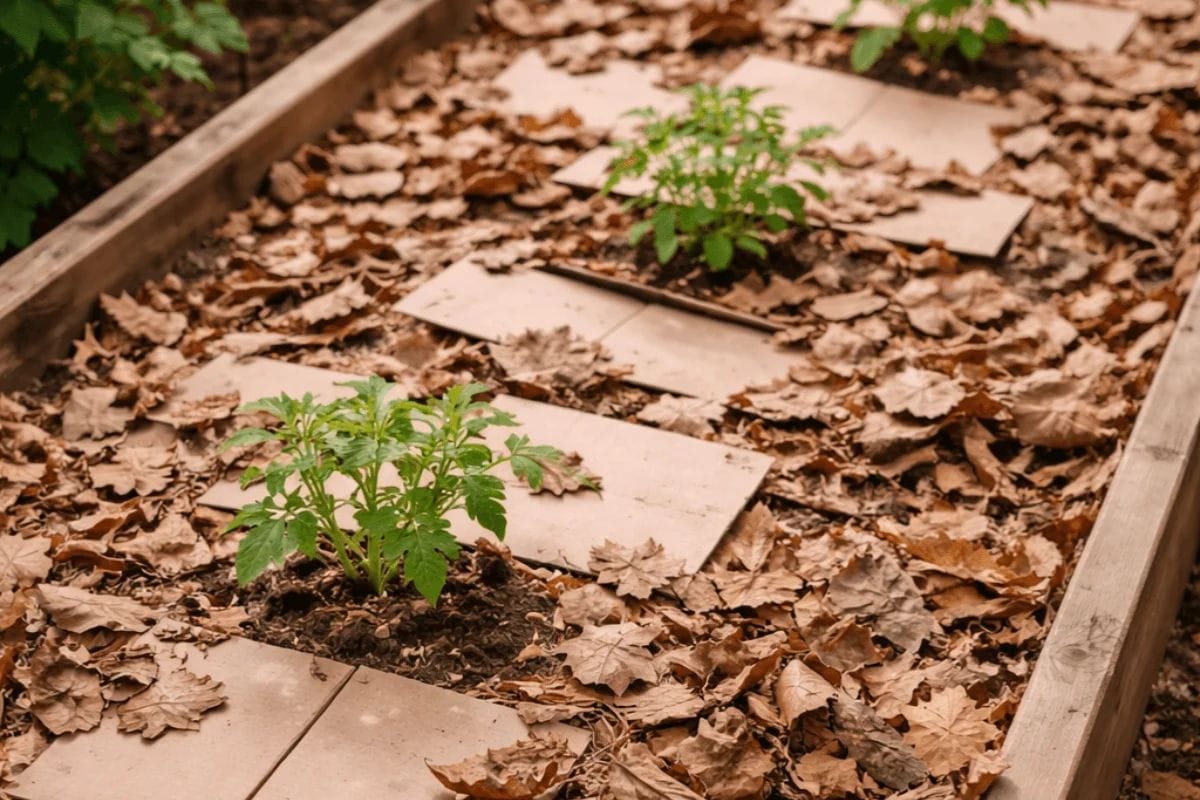
Instead, I tried placing cardboard pieces over the soil and covering them with dry leaves.
This method worked better than expected.
Weeds reduced, and after some time the cardboard slowly blended into the soil.
Later, when climbing plants needed support, I used leftover wooden sticks and bamboo pieces.
They were not perfectly shaped, yet they worked well.
Once the plants grew, the supports were hardly visible anyway.
This experience taught me something simple – gardening often becomes expensive only when we assume every solution must be purchased.
5. The Garden Grows at Its Own Pace
One helpful thing about starting with recycled materials is that the garden grows slowly.
At first, I had only three containers.
Then five.
Later, a few more appeared when I found additional buckets or produced more compost.
Because of this gradual growth, I learned things naturally : how much sunlight each corner received, how often watering was needed, and which plants grew easily.
As a result, there was no pressure to manage too many plants at once.
Looking back now, I feel that slow beginning is what helped the garden survive long term.
Kitchen compost plays a major role in successful zero budget gardening because it provides free natural fertilizer.
6. After Some Time, It Stops Feeling Like a “Project”
Something changes after a few months.
Gardening stops feeling like a separate activity you must schedule.
Kitchen scraps automatically go into the compost bucket.
Empty containers are saved without thinking.
Seeds from vegetables are kept aside almost automatically.
Even leftover drinking water gets poured into nearby plants instead of the sink.
These small habits take almost no extra effort.
Yet together, they keep the garden running without much expense.
7. A Small Start Is Usually Enough
Many people delay gardening because they think they need more space, better tools, or a proper setup.
For more beginner-friendly tips, check our step-by-step guide on easy vegetables to grow at home for beginners.
From experience, the most important step is much smaller : planting something once.
A single container is enough to begin.
Once the first plant starts growing, ideas start coming naturally.
Another container gets added.
Another seed is planted.
Compost slowly increases.
Gradually, without realizing it, the garden begins expanding on its own.
Once people begin practicing zero budget gardening, they often realize that most gardening expenses can be avoided completely.