
This post may contain affiliate links, If you choose to buy through these links, I may receive a small commission at no additional cost to you.
12 Drought-Tolerant Plants That Thrive in Extreme Heat (Global Guide ) is not just a list.
It feels personal now.
A few summers ago, I used to plan my garden around colors. I picked plants that looked beautiful in spring catalogs.
Soft petals. Lush leaves. Romantic names.
Then the heat came.
Not for a day. Not for a weekend. For weeks.
The soil dried faster than I could water it. Some plants collapsed quietly. Others held on but never looked the same again.
Friends in California spoke about water restrictions. A reader from Australia said her garden bill doubled.
Even parts of the UK and Canada experienced heat spikes that felt unusual.
That was the moment I stopped gardening for “perfect weather” and started gardening for reality.
If 2026 has taught us anything, it is this: extreme heat is not rare anymore.
Choosing drought-tolerant plants is no longer optional. It is practical, responsible, and honestly… peaceful.
When you plant wisely, you worry less.
Below are 12 drought-tolerant plants that truly thrive in extreme heat across Tier-1 countries and global climates.
These are not fragile survivors. These are steady performers.
1. Lavender – Thrives When the Sun Is Harsh
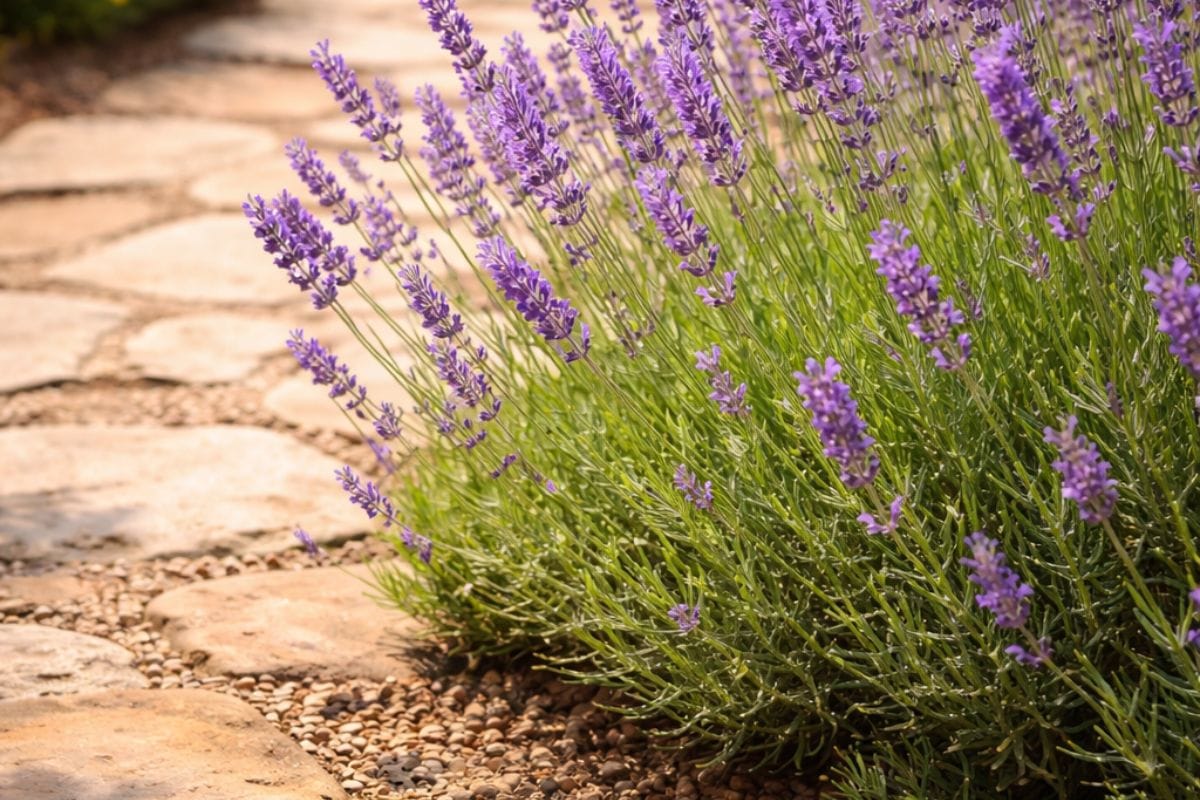
The first time I planted lavender, I placed it near a stone walkway that reflected heat all afternoon. I expected it to struggle.
It did the opposite.
While nearby plants wilted, lavender bloomed stronger. The fragrance became deeper in the heat.
Why lavender survives extreme heat:
Deep root system once established
Prefers dry, well-drained soil
Tolerates reflected heat from walls and pavement
Best for: US West Coast, Southern Europe, Australia, Mediterranean-style gardens worldwide.
2. Rosemary – Heat-Resistant and Practical
Rosemary feels almost stubborn.
It refuses to collapse under high temperatures.
One summer, I forgot to water mine for nearly ten days during a heatwave. I expected damage. Instead, the leaves remained firm and aromatic.
Rosemary prefers dry conditions over wet ones.
Too much water harms it more than extreme heat ever could.
Tools like the GROWIT Plant Moisture Meter can help you understand when the soil is truly dry, preventing overwatering that weakens drought-tolerant plants.
Ideal for: Hot regions in the US, Southern Europe, Middle East, Australia.
3. Agave – Built for Harsh Climates
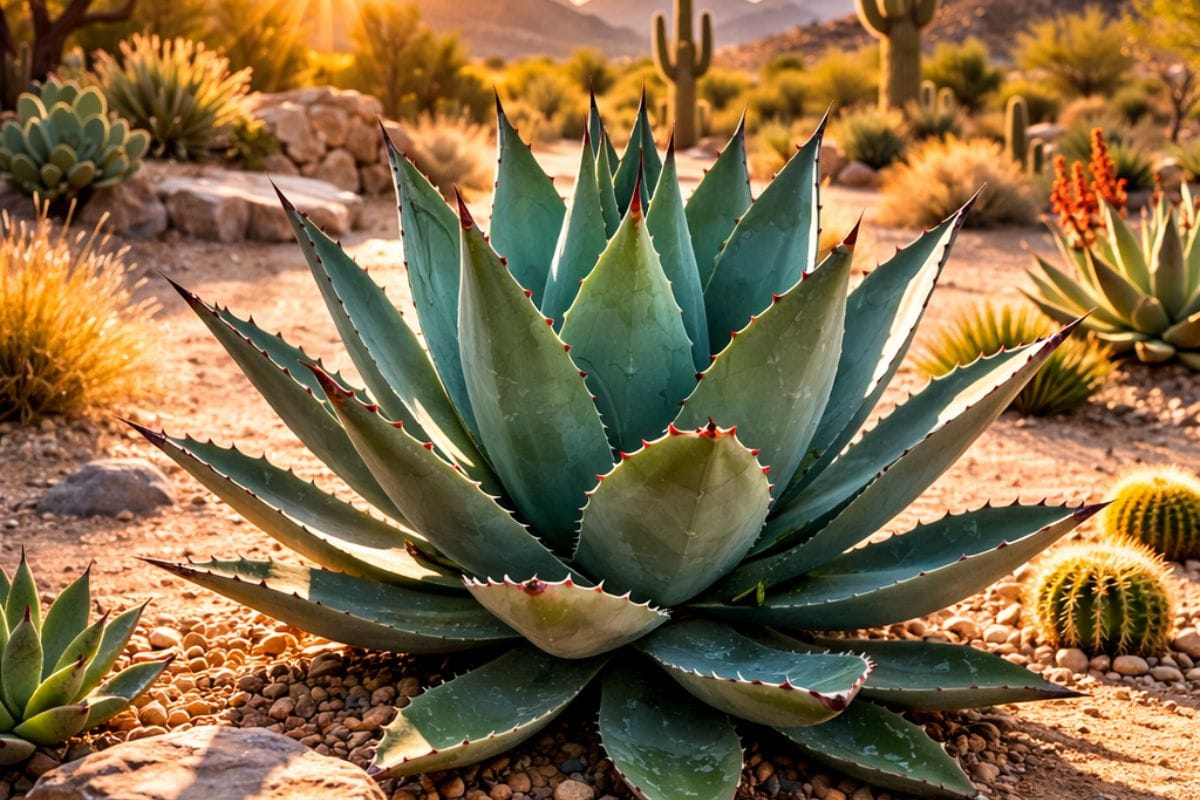
But behind that bold appearance is a survival system. Thick leaves store water, allowing the plant to endure long dry spells.
In desert landscaping across Arizona and Mexico, agave is common for a reason. It survives extreme heat with minimal irrigation.
Important note: Needs excellent drainage and space to grow.
4. Bougainvillea – Color That Intensifies in Heat
Bougainvillea does something interesting.
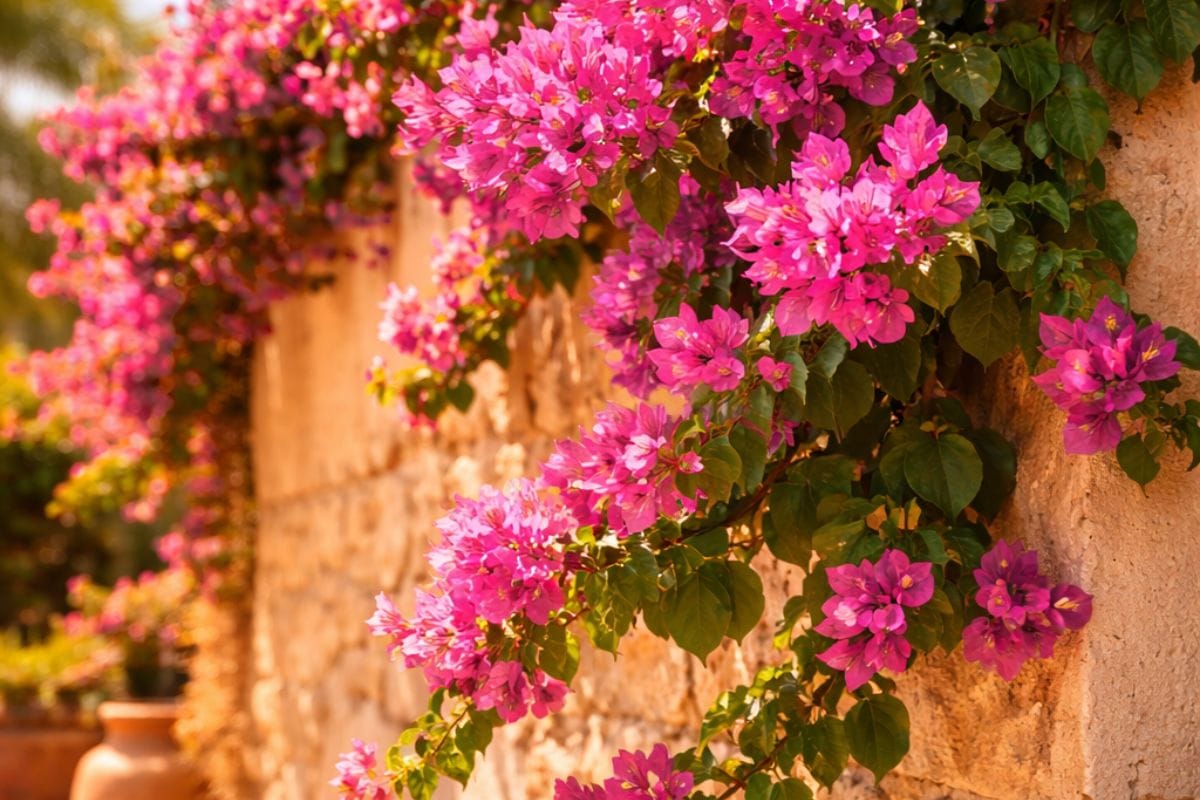
When slightly stressed by dryness, it blooms even brighter.
I noticed this in a coastal garden where watering was limited. The less attention it received, the more vibrant the flowers became.
It climbs fences and walls easily, making it ideal for warm climates.
Best for: Southern US states, Australia, tropical and coastal regions worldwide.
5. Russian Sage – Reflects Heat Naturally
Russian sage has silvery leaves that reflect sunlight.
That reflection reduces heat stress.
In modern minimalist gardens, it adds soft texture without demanding daily watering.
It thrives in poor soil, making it ideal for low-maintenance landscapes.
6. Lantana – Reliable Summer Performer
Lantana is one of those plants that simply keeps going.
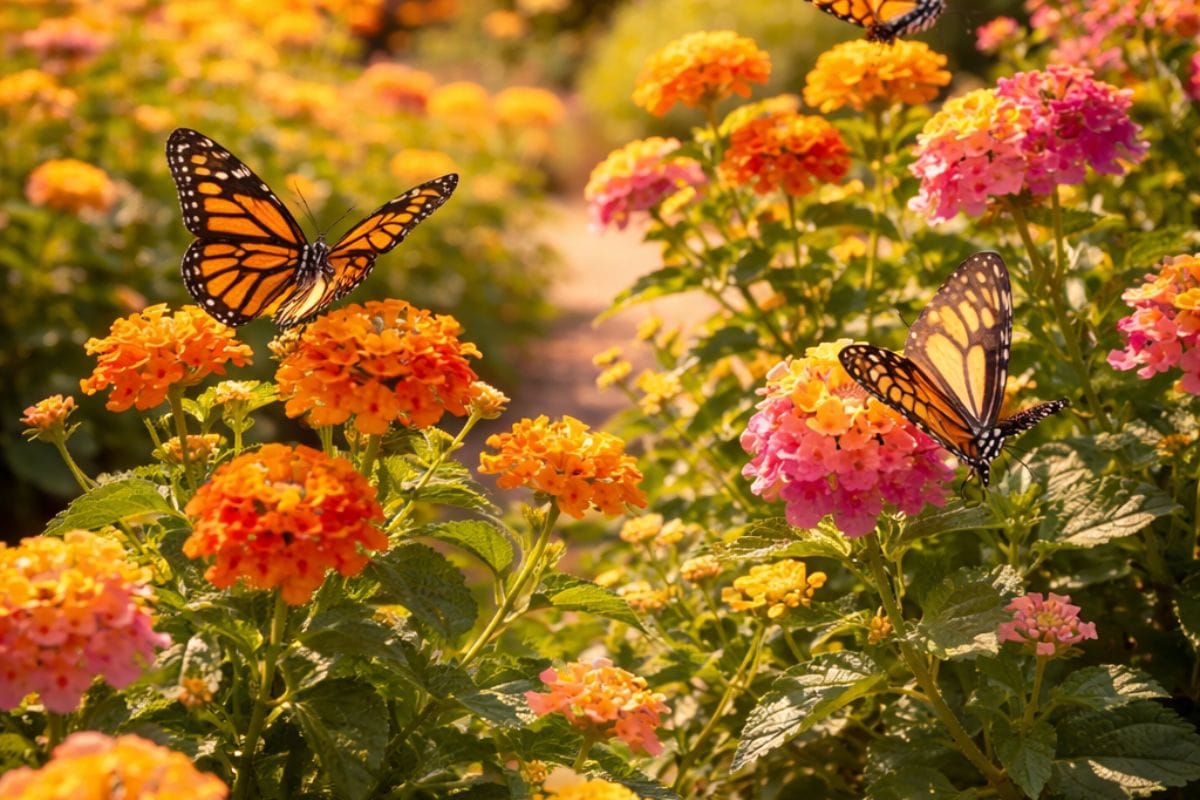
During one particularly hot season, it was the only flowering plant that continued blooming in my yard.
Butterflies visit constantly.
It spreads easily and tolerates dry soil once established.
7. Succulents – Modern, Compact, Efficient
Succulents are popular in 2026 for good reason.
They store water in leaves and require minimal care.
In urban apartments across the US and Europe, succulents survive on balconies exposed to full afternoon sun.
They are ideal for small-space gardening.
For apartment gardeners dealing with balconies and limited space, these Small Space Gardening Ideas for Apartments and Urban Homes can help you design a heat-resilient setup.
8. Thyme – Small but Powerful
Thyme thrives in rocky soil and direct sunlight.
It requires very little water after establishment.
As a bonus, it doubles as a culinary herb.
9. Yarrow – Wildflower Strength
Yarrow adapts to dry, nutrient-poor soil.
It is common in North American and European wildflower meadows.
Even in heat, it maintains structure and attracts pollinators.
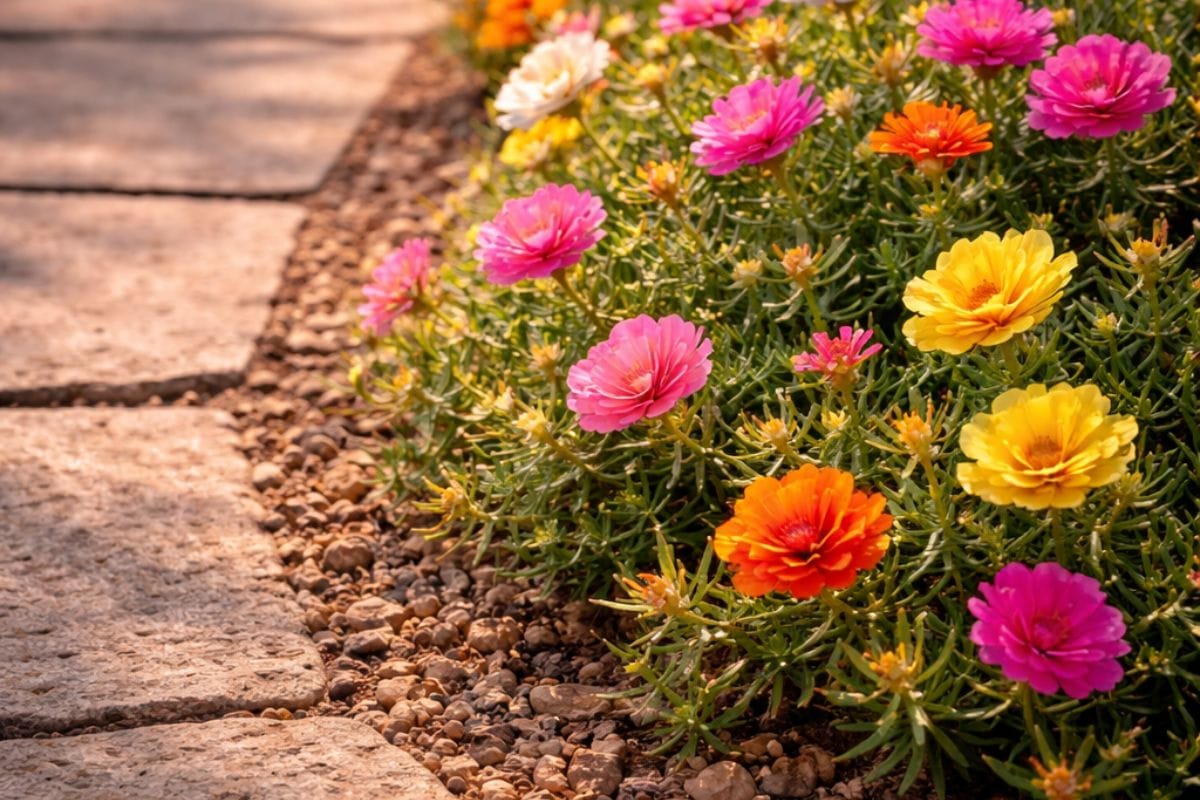
10. Portulaca (Moss Rose) – Heat-Proof Ground Cover
I planted it in a shallow container once near concrete. It survived temperatures that damaged other flowers.
It spreads low and produces vibrant blooms.
11. Oleander – Highway Survivor
Often seen along highways in hot regions, oleander tolerates intense sun and minimal watering.
However, it is toxic. Keep away from pets and children.
12. Desert Marigold – Bright and Resilient
Desert marigold thrives in sandy soil and high temperatures.
It adds cheerful yellow color even in dry landscapes.
Ideal for xeriscaping, which is becoming more common globally due to water conservation trends.
1. Establish Strong Roots First
Even drought-tolerant plants need proper care during early growth.
I learned this slowly.
At first, I watered lightly every day. Plants developed shallow roots and struggled later.
When I switched to deep watering once or twice a week, roots grew deeper. Plants became stronger.
Simple rules:
Water deeply, not frequently
Add mulch to reduce evaporation
Improve drainage before planting
Avoid daily shallow watering
In extreme heat regions, systems like the MIXC 230FT Quick-Connect Drip Irrigation System Kit help deliver slow, deep watering that supports strong root growth without wasting water.
Many new gardeners struggle in extreme heat because of simple early mistakes.
If this feels familiar, you may find clarity in Why Most Beginner Gardens Fail – And How to Make Yours Work, where I explain the small habits that quietly damage plant health.
2. Think Climate, Not Just Beauty
Gardening in 2026 requires awareness.
Extreme heat is affecting the US, UK, Canada, Australia, and many global regions.
Instead of fighting climate reality, adjust plant choices to match it.
A resilient garden is calmer.
You worry less about heat alerts.
If you are unsure about your climate zone, checking the USDA Plant Hardiness Zone Map can help you understand which drought tolerant plants will perform best in your region.
3. Build a Garden That Handles the Future
A garden designed for extreme heat is not dull.
It can still be colorful, fragrant, and inviting.
The difference is confidence.
When temperatures rise and your garden remains alive, something shifts.
You feel prepared.
Extreme heat may continue.
But drought-tolerant plants give gardens strength that fragile varieties simply cannot offer.
And perhaps the real shift in 2026 gardening is not about planting more.
It is about planting wiser.