
This post may contain affiliate links, If you choose to buy through these links, I may receive a small commission at no additional cost to you.
Hey there! If you’re reading this, you probably love your indoor jungle as much as I do. But let’s be real nothing ruins a peaceful morning coffee with your plants faster than spotting a weird web or a sticky leaf.
Last summer, I almost lost my favorite Monstera to thrips because I thought those silver spots were just “natural variegation.” Spoiler: they weren’t. I’ve spent way too much money and time fighting these tiny invaders, so I’m sharing everything I’ve learned the hard way. Here is the lowdown on the uninvited guests trying to crash your plant party this season. Here is the lowdown on the uninvited guests trying to crash your plant party this season. In this guide, I’ll break down the 8 Common Houseplant Pests you need to watch out for.
Why Summer is “Pest Prime Time”
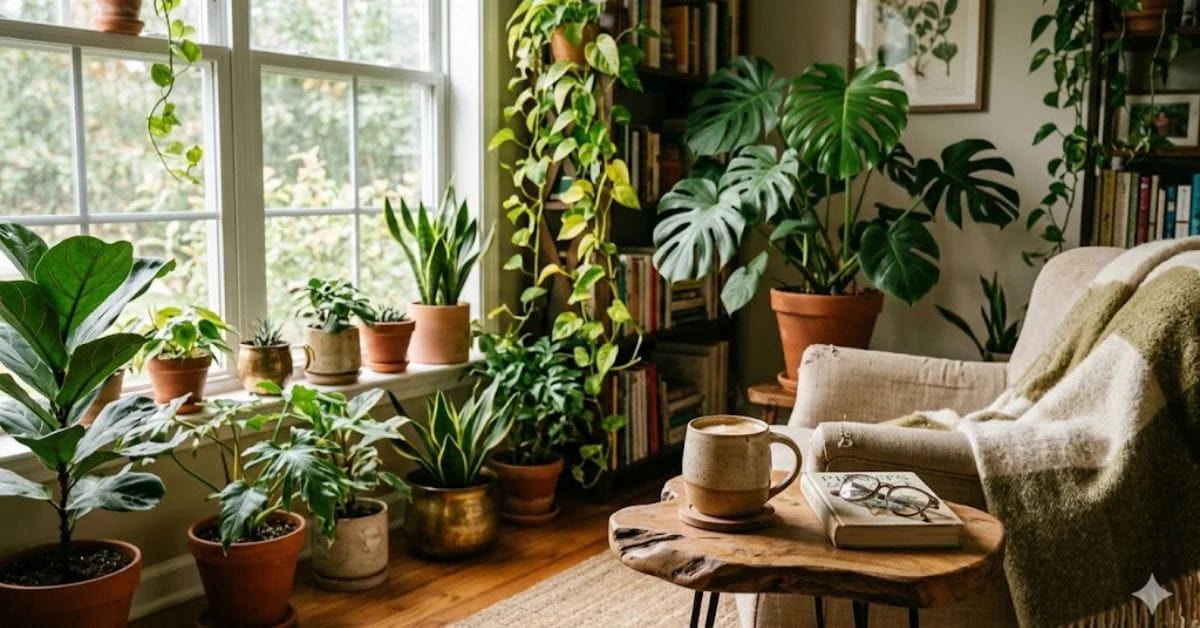
When the weather warms up, everything in nature goes into overdrive including the bugs. We open our windows, bring new plants home from the nursery, or move our indoor pots to the balcony for some “fresh air.” That’s exactly when houseplant pests strike. They hitch a ride on your clothes, fly through screens, or hide in that cheap bag of potting soil you bought on sale.
If you want to keep your green friends alive, you need to be a plant detective. Here are the 8 suspects you need to watch out for.
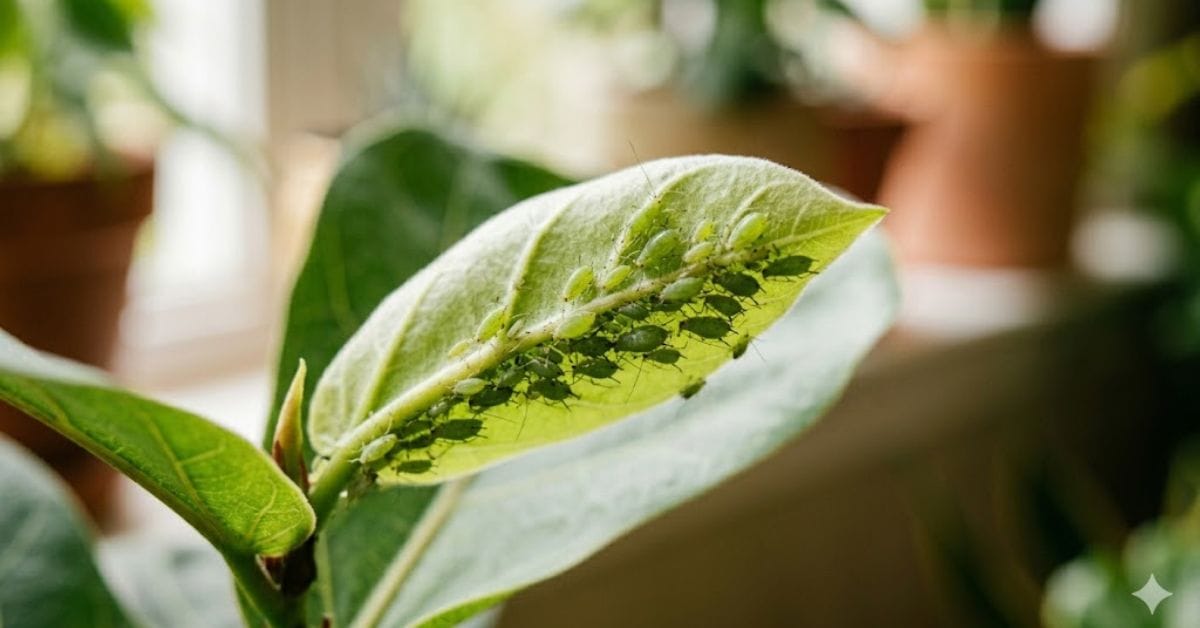
1. Aphids: The Sap-Sucking Socialites
Aphids are like that one person who brings twenty friends to a party without asking. They are small, pear-shaped, and usually green or black. They love “tender new growth,” so check those tiny baby leaves at the top of your plant first.
-
The Red Flag: Sticky residue on the leaves (called honeydew) or leaves that look curled and deformed.
-
How to Kick Them Out: Honestly? Just take the plant to the shower and blast them off with a strong stream of water. If they come back, a mix of water and a little bit of dish soap usually does the trick.
2. Spider Mites: The Invisible Weavers
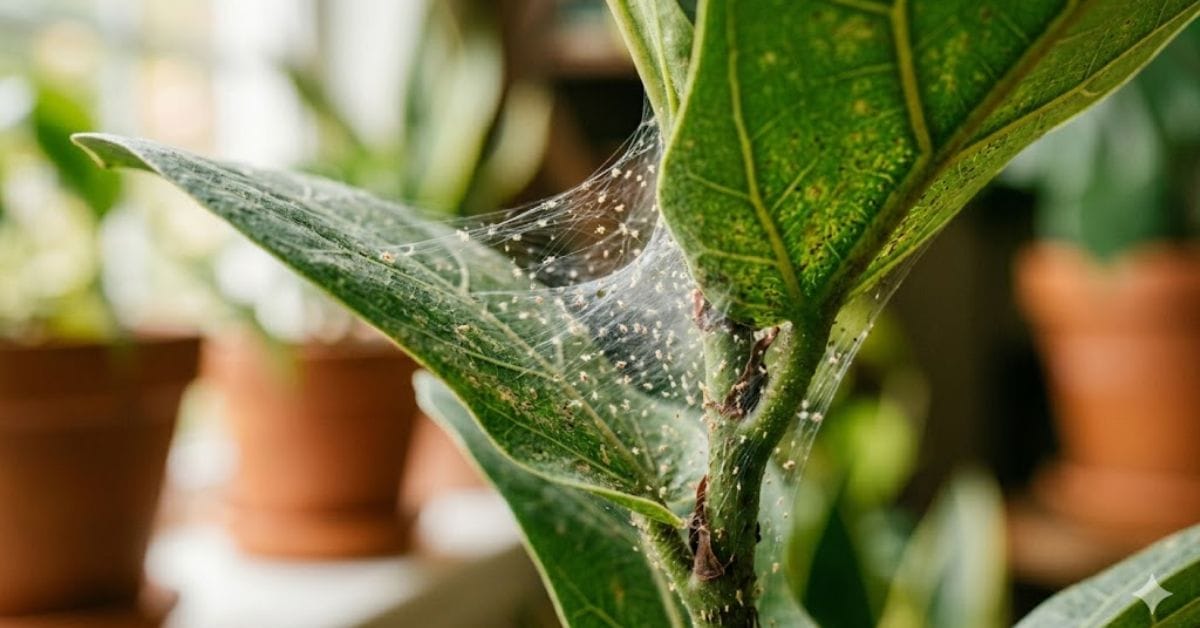
These are the worst because you can’t even see them until the damage is done. They love hot, dry summer air. If your plant looks dusty but the “dust” won’t wipe off, look closer.
-
The Red Flag: Fine, silky webs between stems and yellow, speckled leaves.
-
How to Kick Them Out: Spider mites hate moisture. Increase the humidity around your plants. I use Neem oil once a week for a month to make sure I kill the eggs too.
If your home gets a lot of direct sun, you might want to check out these 12 Drought-Tolerant Plants That Thrive in Extreme Heat that are naturally tougher against summer stress.
According to the Environmental Protection Agency (EPA), using natural methods like Neem oil is a key part of Integrated Pest Management to keep your home and plants safe.
3. Fungus Gnats: The Annoying “Fruit Flies” of Soil
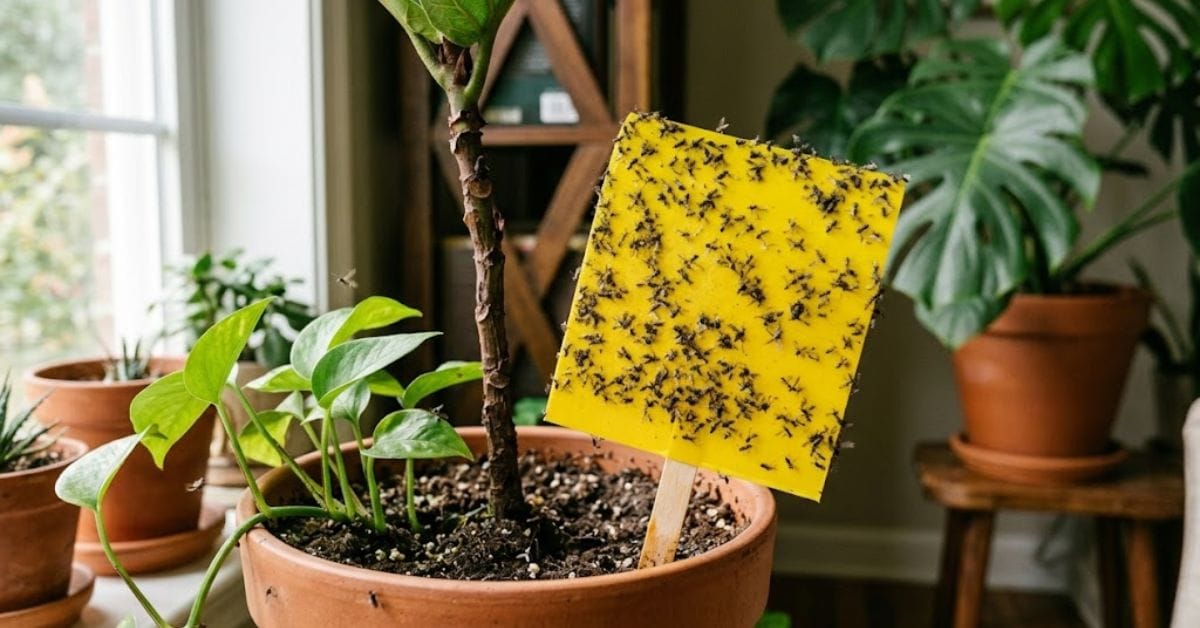
If you see tiny black bugs flying around your face while you’re watching TV, you probably have fungus gnats. They don’t usually kill the plant, but they are incredibly annoying. They live in the top inch of damp soil.
-
The Red Flag: Tiny flies jumping off the soil when you water the plant.
-
How to Kick Them Out: Stop overwatering! Let the soil dry out. I swear by Yellow Sticky Traps to catch the adults and “Mosquito Bits” (Bti) in the water to kill the larvae in the dirt.
Stop overwatering! Let the soil dry out. I swear by using Yellow Sticky Bug Traps to catch the adults and ‘Mosquito Bits’ (Bti) in the water to kill the larvae in the dirt. These traps are 100% odorless and work wonders for keeping your home pest-free
4. Thrips: The Final Boss of Plant Pests
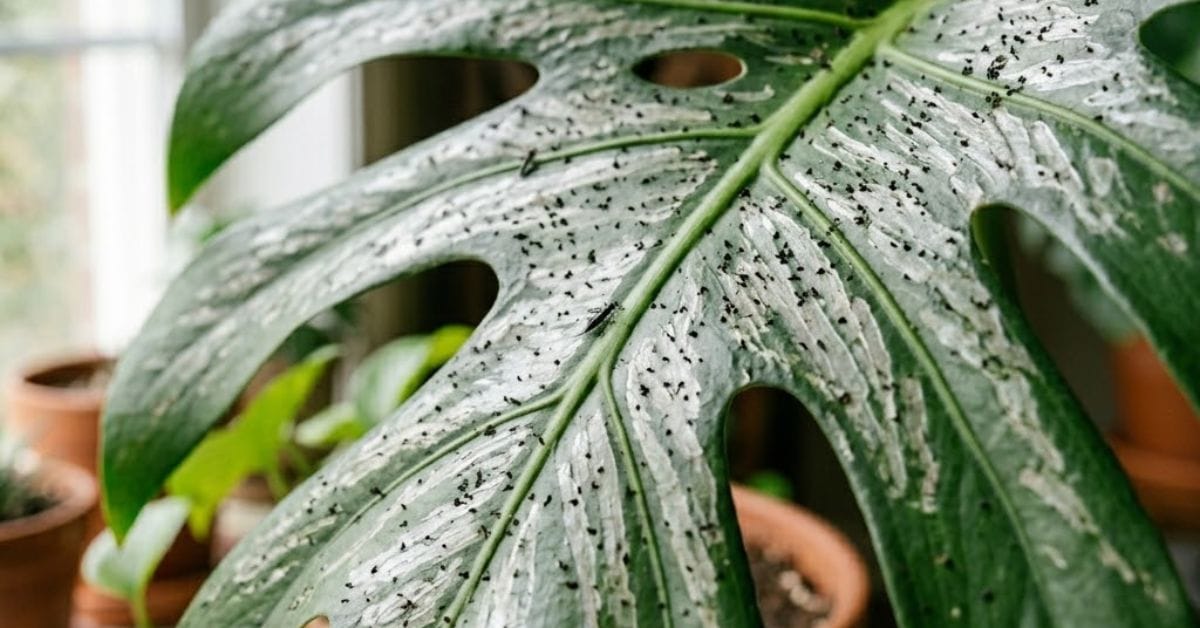
I’m going to be honest thrips are a nightmare. They are tiny, skinny black insects that actually burrow into the leaf tissue to lay eggs.
-
The Red Flag: Silver or translucent streaks on the leaves and tiny black dots (that’s their poop… gross, I know).
-
How to Kick Them Out: You have to be aggressive. Isolate the plant immediately. Use an organic pesticide like Spinosad. I usually treat the plant every 3 days for two weeks because their life cycle is so fast.
To make it easier for you to save your plants, I’ve put together this quick reference table for these 8 Common Houseplant Pests and how to treat them fast.
Quick Fix Guide: Identification and Treatment
| Pest Name | Main Identification Sign | Best Treatment Strategy |
| Aphids | Sticky “honeydew” & curled leaves | Water blast or soapy spray |
| Spider Mites | Fine silky webs & speckled leaves | Increase humidity & Neem oil |
| Fungus Gnats | Tiny black flies on soil surface | Yellow sticky traps & dry soil |
| Thrips | Silver streaks & tiny black dots | Isolate & use Spinosad spray |
| Scale | Hard brown bumps on stems | Rubbing alcohol with a Q-tip |
| Whiteflies | Cloud of tiny white moths | Vacuum adults & insecticidal soap |
| Mealybugs | White cottony patches in joints | Alcohol-soaked swab or Neem oil |
| Root Mealybugs | White waxy patches on roots | Wash roots & repot in fresh soil |
5. Scale Insects: The Camouflage Experts
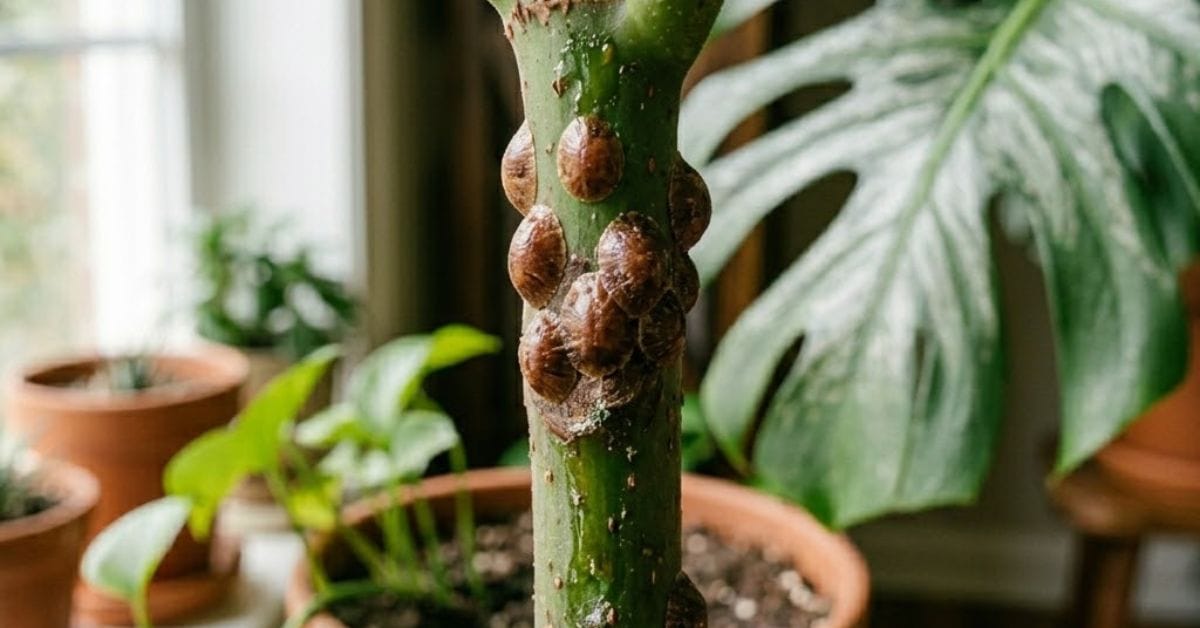
Scale bugs don’t even look like bugs. They look like little brown bumps or scabs on the stems. They just sit there and suck the life out of your plant.
-
The Red Flag: Bumps that you can’t easily rub off with your finger and a very sticky floor underneath the plant pot.
-
How to Kick Them Out: Take a Q-tip, dip it in rubbing alcohol, and poke every single bump. It dissolves their shell and kills them instantly. It’s strangely satisfying.
6. Whiteflies: The Tiny White Ghosts
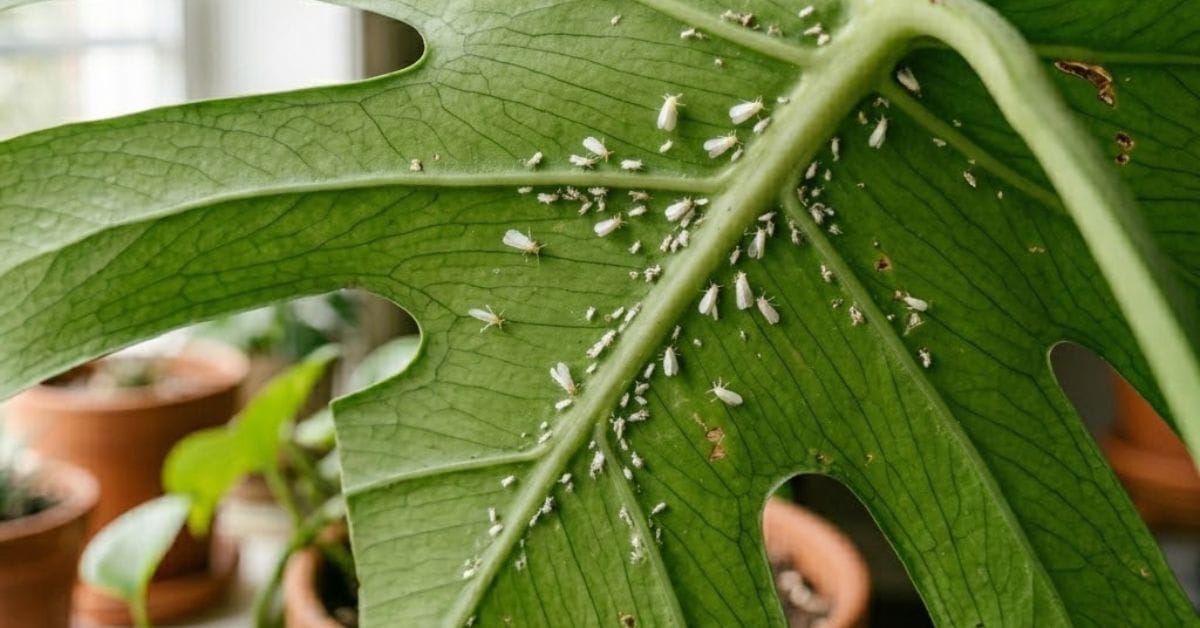
If you touch your plant and a cloud of tiny white “moths” flies up, you’ve got whiteflies. They love Hibiscus and Ferns.
-
The Red Flag: Small white flies on the undersides of leaves.
-
How to Kick Them Out: Use a vacuum cleaner! Seriously, you can suck the adults right out of the air. Then, spray the undersides of the leaves with insecticidal soap every few days.
7. Mealybugs: The Cotton Candy Creeps
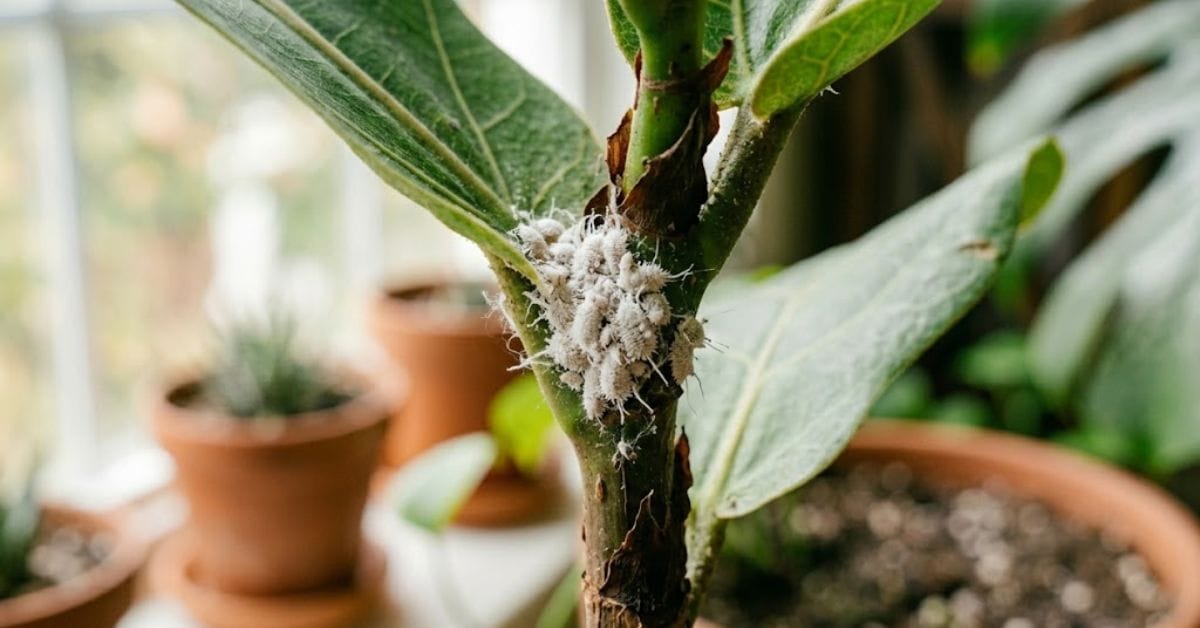
Mealybugs look like tiny pieces of white cotton stuck in the nooks and crannies of your plant. They tend to cluster at the leaf nodes.
- The Red Flag: White, fuzzy patches and stunted growth.
- How to Kick Them Out: Like scale, rubbing alcohol is your best friend here. If the infestation is bad, you might need to change the soil because they can hide in the roots too.
For a de ep clean, I’ve found that using a high-quality product like Best Naturals 100% Pure Neem Oil works best because it’s 100% cold-pressed and gets into all those tiny hiding spots where mealybugs love to live.
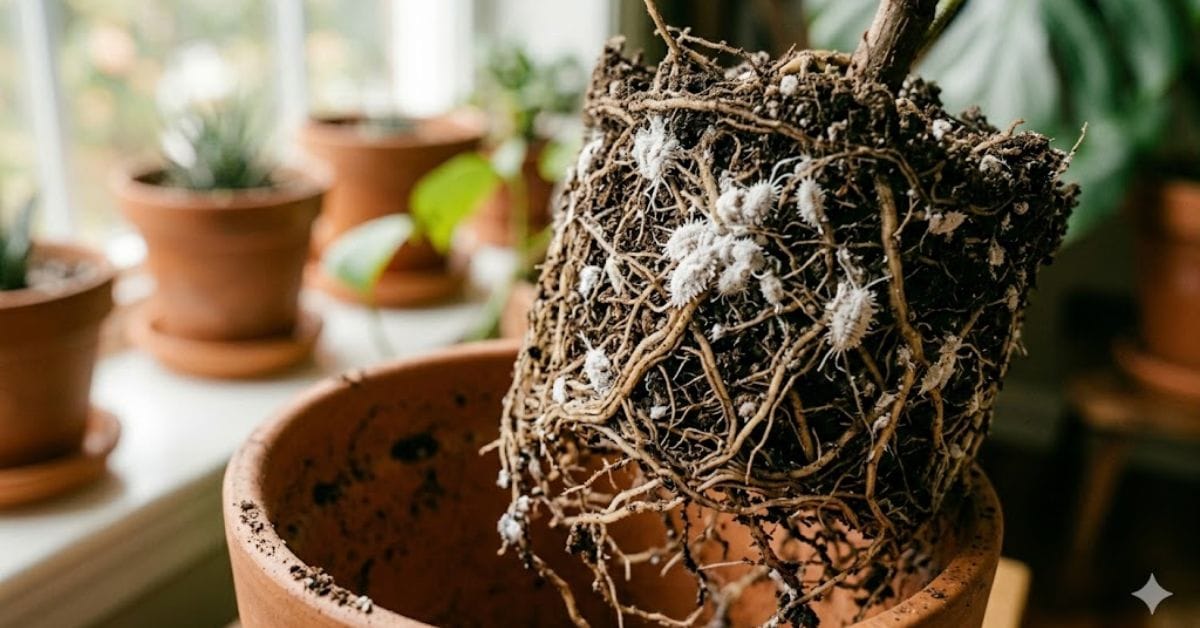
8. Root Mealybugs: The Silent Killers
Most people forget this one, but it’s the 8th pest you absolutely must know about. These guys stay underground. Your plant will look like it’s dying for no reason, even if you’re doing everything right.
-
The Red Flag: The plant looks wilted even when the soil is wet. If you pull the plant out of the pot, you’ll see white, waxy patches on the roots.
-
How to Kick Them Out: You have to wash all the soil off the roots, soak the roots in a diluted Neem solution, and repot in completely fresh, sterile soil.
Once your plant is pest-free, it’s going to need some extra nutrients to bounce back. Learn How to Turn Kitchen Scraps Into Useful Garden Fertilizer to give your green friends a natural, chemical-free boost.
My “Pro-Tip” for a Pest-Free Summer
The best way to handle pests is to never get them. Every time I water my plants, I do a “30-second inspection.” I look under the leaves and check the new growth.
Also, Quarantine is Key. When you buy a new plant, keep it in a separate room for at least two weeks. It might look healthy at the store, but those eggs could hatch a week later in your living room.
Don’t panic if you find bugs. Every plant owner faces this at some point. Just grab your spray bottle, stay consistent, and you’ll win the war!
Don’t let these 8 Common Houseplant Pests ruin your indoor garden. Stay consistent with your inspections and your plants will thrive!
It might feel overwhelming at first, but remember that most of these 8 Common Houseplant Pests can be managed if you catch them early. Don’t let a few tiny bugs discourage you from growing your indoor jungle!
What’s the weirdest bug you’ve ever found on your plants? Let me know in the comments!