
This post may contain affiliate links, If you choose to buy through these links, I may receive a small commission at no additional cost to you.
I was sitting in a high-rise coffee shop in London last month, watching a sea of professionals staring intensely at their glowing rectangles.
Everyone looked “productive.”
Everyone looked busy.
But if you looked closer – really looked – everyone looked fried.
We’ve spent the last decade obsessed with our retirement portfolios, checking our 401(k) balances, and worrying about inflation.
But as we move deeper into a much scarier form of inflation is hitting us: the depletion of our cognitive energy.
Let’s be honest.
What is the point of having a million dollars in a brokerage account at age 65 if your brain is too foggy to remember why you saved it?
We are entering the era of Brain Wealth and it’s the only currency that actually matters anymore.
The Great Cognitive Burnout of the 2020s
If you’ve ever sat down to read a book and found yourself reaching for your phone after three sentences, your Brain Wealth is in the red. This is exactly why mastering a Digital Detox at Home is no longer a luxury, but a survival skill.
For years, the Western world operated on a “hustle now, rest later” mentality.
We traded sleep for spreadsheets and focus for notifications.
But the human brain wasn’t designed for the information environment.
We are currently processing more data in a single weekend than a person in the 1800s did in their entire life.
This constant “pinging” of our nervous system is creating a generation of people who are financially stable but “cognitively bankrupt.”
If you’ve ever sat down to read a book and found yourself reaching for your phone after three sentences, your Brain Wealth is in the red.
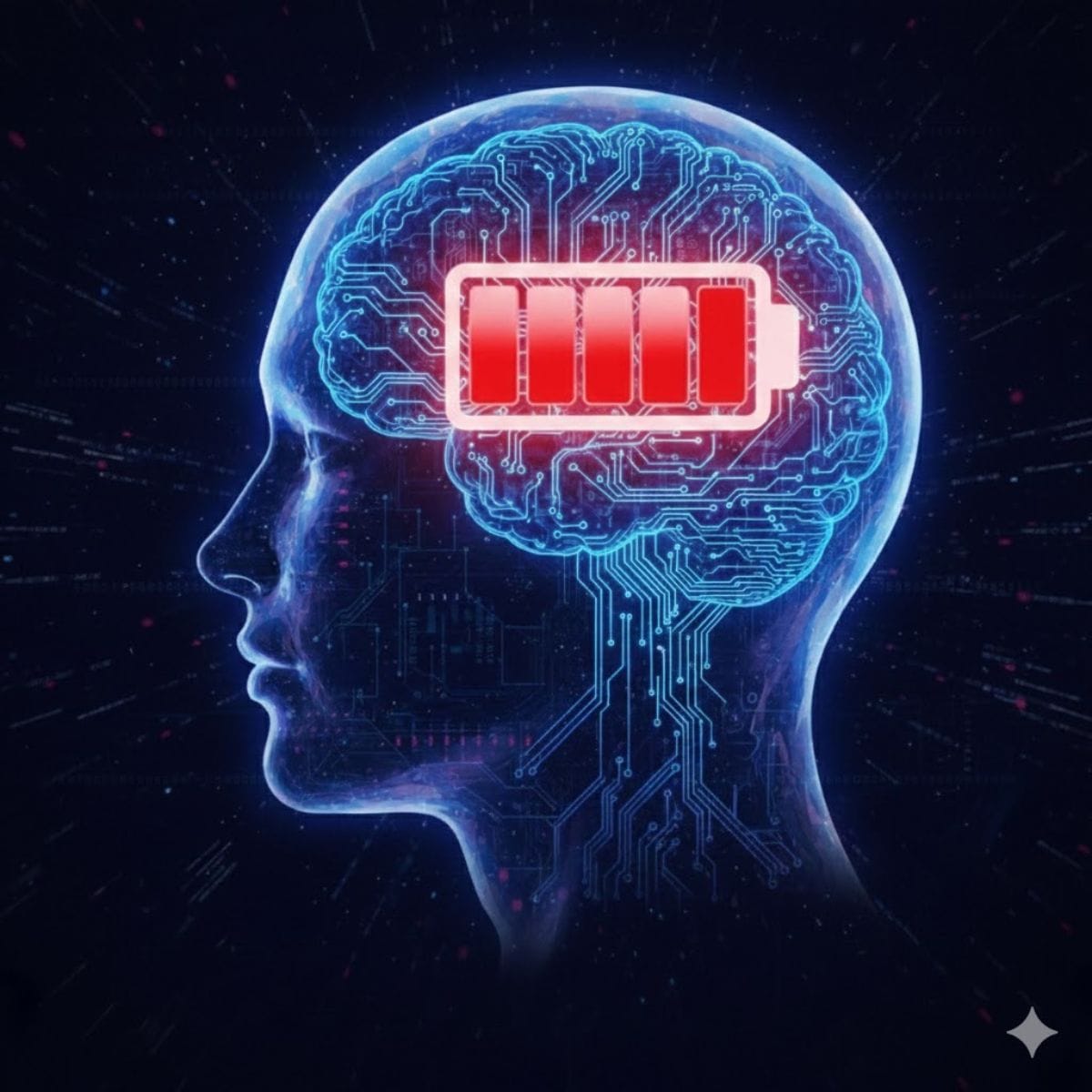
What Exactly is “Brain Wealth”?
In the financial world, wealth is about assets that appreciate over time.
Brain Wealth is exactly the same.
It’s the accumulation of “Cognitive Reserve” – a buffer that protects your mind against aging, stress, and the inevitable wear and tear of life.
Think of it like this: Your 401(k) is your external safety net.
Your Brain Wealth is your internal operating system.
If the OS crashes, the safety net doesn’t matter.
In Tier-1 countries like the US and UK, we’re seeing a massive shift where “Bio-hacking” is being replaced by “Bio-respect.”
We’re finally stopping the war against our own biology.
Think of it like this: Your 401(k) is your external safety net, but your Brain Wealth portfolio is your internal operating system. If the OS crashes, the safety net doesn’t matter.
Brain Wealth is exactly the same. It’s the accumulation of ‘Cognitive Reserve – a buffer that protects your mind against aging, stress, and the inevitable wear and tear of life. Scientific research shows that building a resilient brain through lifelong learning is the best way to hedge against future decline.
The Problem with the “Retirement” Myth
The old dream was to work a high-stress job, retire at 65, and then finally start “living.”
But neuroscience is telling us a different story.
If you spend 40 years neglecting your brain’s neuroplasticity, you can’t just “turn it on” during retirement.
Your brain isn’t a vault where you just store energy; it’s a living muscle that either expands with every challenge or shrinks with every mindless scroll.
If your daily routine consists of high-stress emails, 15-second TikTok loops, and 5 hours of fragmented sleep, you are essentially “shorting” your own brain.
You’re betting against your future self.
Brain Wealth Portfolio: The 4 Strategic Pillars
If you want to be “Brain Rich” by the time you’re 60, you need to start diversifying your lifestyle today.
Here is how the “Brain Wealth” portfolio :
If you want to be ‘Brain Rich’ by the time you’re 60, you need to start diversifying your lifestyle today. Here is how the Brain Wealth portfolio looks in action:
1.The Deep Work Bond – Why Focus is Your Greatest Asset
In an AI-driven world, basic tasks are automated.
What’s left? High-level strategy, creativity, and deep empathy.
These require a “Deep Work” muscle.
The Investment: Spend 90 minutes every morning with zero notifications.
No music with lyrics, no phone in the room, just you and a hard problem.
The Return: You finish work in half the time, leaving your brain “profit” (energy) for the rest of the day.
2.Neuro-Nutrition – Investing in the Raw Materials for Your Brain
We used to eat to look good in a swimsuit.
Now, we eat so our neurons don’t catch fire.
Inflammation is the silent killer of Brain Wealth.
The 2026 Shift: Moving away from “low-fat” or “low-carb” and moving toward “High-Flavonoid.”
Blueberries, walnuts, wild salmon, and dark chocolate aren’t just snacks; they are the deposits into your cognitive bank.
Avoid: “Brain-Drain” foods.
Anything that causes a massive insulin spike followed by a crash.
That “crash” is literally your brain cells struggling for energy.

3.Somatic Liquidity – Moving Your Body to Clear Mental Stress
We’ve been warned for years that a sedentary body leads to a stagnant life, but the truth is even harsher: when your body stops moving, your brain starts to switch off.
But in 2026, we’ve come to realize that a body in constant stillness is a brain that’s slowly forgetting how to stay young.
When you sit still in a state of stress, your brain thinks it’s being hunted by a predator but has nowhere to run.
This “trapped stress” rots your focus.
The Investment: Somatic movement.
This isn’t about hitting the gym for an hour.
It’s about 2-minute “shake-offs” throughout the day.
Jump, stretch, or dance.
The Return: You clear the cortisol out of your system before it can damage your hippocampus.
4. Analogue Diversification – The Power of Paper in a Digital World
Everything is digital, which means the “Analogue” is now a luxury.
I’ve noticed a trend in New York and London where the wealthiest people are using paper planners and reading physical newspapers.
Why? Because paper doesn’t have an algorithm trying to sell you something.
Paper doesn’t track your eye movements.
It allows for “Linear Thinking,” which is the foundation of high-level intelligence.
It allows for ‘Linear Thinking,’ which is the foundation of high-level intelligence. If you want to start, I highly recommend using a PAPERAGE Hardcover Lined Journal; its 100 GSM thick paper is perfect for distraction-free brainstorming and long-term goal setting.
The Hidden Danger: The “Dopamine Debt”
We are living in a Dopamine Economy.
Every “Like,” every “Red Dot,” and every “Trending Topic” is designed to harvest your dopamine.
When you over-stimulate these receptors, you develop a “Dopamine Debt.”
Symptoms of Dopamine Debt:
Feeling bored even when you have 1000 movies to watch.
Needing to check your phone while watching a movie.
Anxiety when you aren’t “doing” something.
If you don’t pay back this debt through silence and boredom, your brain eventually “shuts down” its joy receptors.
You could be sitting on a beach in Hawaii and feel nothing.
That is the ultimate form of poverty.
Symptoms of Dopamine Debt can lead to a complete crash of your cognitive assets. To maintain your Brain Wealth balance, you must pay back this debt through silence and intentional boredom.
Dopamine Debt Checklist
Checklist: What’s Your Cognitive Credit Score?
Digital Restlessness: Do you find yourself checking your phone even while watching a movie or relaxing?
Boredom Anxiety: Is it difficult for you to sit in silence for just 5 minutes without seeking a distraction?
Fragmented Focus: Does your mind wander off before you can even finish reading a single page of a book?
Instant Gratification: Do you feel an uncontrollable urge to respond to notifications the second they appear?
Morning Phone Graze: Is scrolling through your phone the very first thing you do when you wake up?
The Verdict: If you checked 3 or more boxes, you are officially in “Dopamine Debt.” Your brain is overstimulated and under-recovered. It’s time to stop the drain and start your Brain Wealth recovery plan.
The Architecture of a High-Net-Worth Mind
Have you ever noticed how some people just seem… there?
When they talk to you, they aren’t looking at their watch.
When they work, they are fully immersed.
This isn’t a personality trait; it’s a structural advantage.
Their brain architecture is built for presence.
In 2026, we’re finally learning that our homes shouldn’t just look good on Instagram; they need to feel like a deep, collective exhale for our overworked nervous systems.
People are ripping out smart-home gadgets and replacing them with biophilic elements.
Why? Because your environment is the “brokerage firm” where your brain wealth is managed.

How to Start Your Brain Wealth Fund (The 30-Day Plan)
You don’t need a financial advisor for this. You just need a bit of discipline to kickstart your Brain Wealth fund. If you’ve already tried my 30-Day Life Reset Plan, you know how small habits can lead to massive shifts. Here is your month-one roadmap.
You don’t need a financial advisor for this.
You just need a bit of discipline.
You don’t need a financial advisor for this. You just need a bit of discipline to kickstart your Brain Wealth fund. Here is your month-one roadmap.
Week 1: The Morning Guard
For the first 7 days, do not touch your phone for the first hour of the day.
Your brain wakes up in a very specific state (Theta/Alpha).
If you blast it with emails immediately, you are “spending” your best energy before you even get out of bed.
Week 2: The Caffeine Pivot
In Tier-1 countries, we drink coffee like it’s water.
But in 2026, the “Brain Wealthy” are delaying their first cup by 90 minutes.
This allows your natural adenosine to clear out, preventing the 2 PM crash.
Week 3: The Mono-Tasking Challenge
Pick one task – cooking, walking, or writing – and do it without a podcast or music.
Let your brain wander.
This is where the “default mode network” kicks in – this is where your best ideas come from.
Week 4: The Sleep Sanctuary
Stop treating sleep like a luxury.
It’s the “cleaning crew” for your brain.
Buy blackout curtains, turn the temperature down, and leave the phone in the kitchen.
Buy blackout curtains, turn the temperature down, and leave the phone in the kitchen. For deeper cognitive recovery, many are now incorporating a High-Absorption Magnesium Complex into their nighttime routine to calm the nervous system and protect their brain wealth while they sleep.

The ROI of Brain Wealth
What happens when you invest in your brain?
Emotional Resilience: You don’t “snap” at your partner because your nervous system has more “liquidity.”
Faster Learning: You can pick up new skills in half the time.
Longevity: You aren’t just living longer; you’re living better.
The 2026 Reality Check
We’ve spent 50 years focusing on the “External House” – the car, the house, the bank account.
But here’s the thing: you can always earn more money.
You can’t earn more time.
And you certainly can’t “buy” a new prefrontal cortex once you’ve burned yours to a crisp.
The market will go up and down.
Currencies will rise and fall.
But your ability to think, to feel, and to be present is the only asset that no one can tax.
So, by all means, keep contributing to your 401(k).
It’s important.
But don’t let your bank account grow at the expense of your brain’s ability to enjoy it.
Go for a walk.
Read a book.
Sit in silence.
Your future self is waiting for you at the finish line – let’s make sure they’re actually “there” to greet you.
What’s Your Current Balance?
Before you close this tab and jump into the next “urgent” email, ask yourself:
If your brain health was a bank account, are you currently in the black, or are you living on credit?
The answer usually comes in that first moment of silence.
Don’t be afraid of what you hear.
It might just be the most important financial statement you’ve ever received.