
This post may contain affiliate links, If you choose to buy through these links, I may receive a small commission at no additional cost to you.
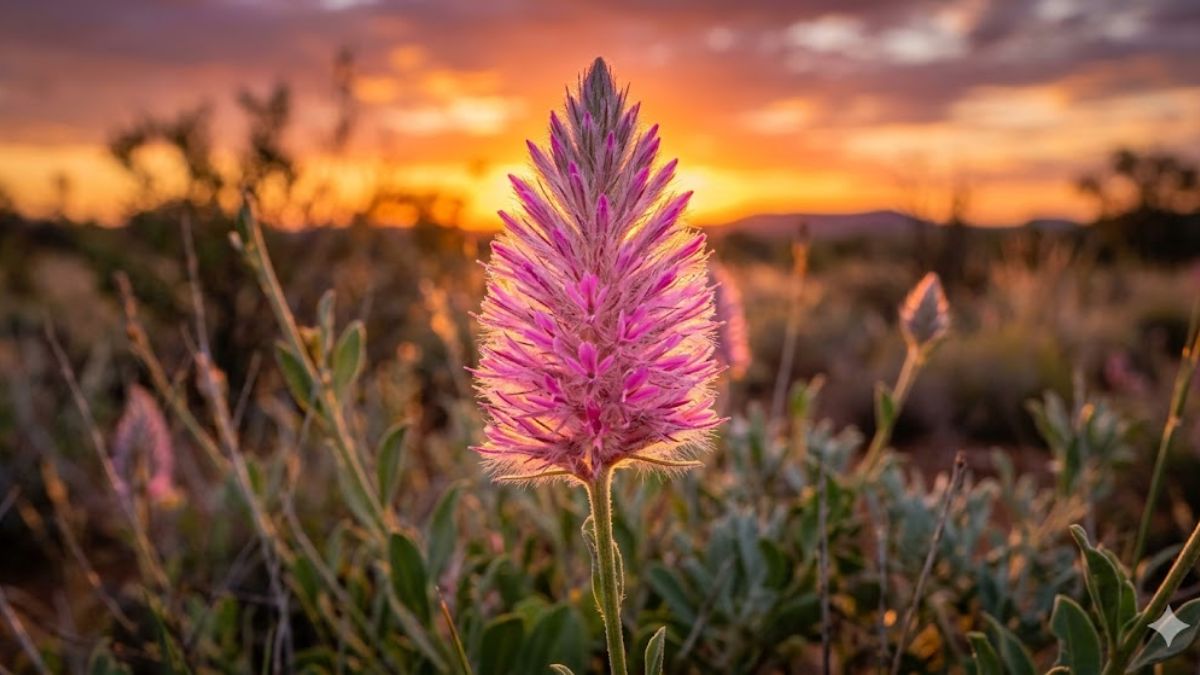
Have you ever stumbled upon a plant that looks like it belongs in a high-end art gallery rather than a muddy backyard? If you haven’t met the Ptilotus, you’re in for a genuine treat. Let’s be honest: most of us are used to the same old petunias and marigolds that everyone and their neighbor plants every single spring. This isn’t your grandma’s garden variety flower. It’s a neon-pink, feathery, architectural masterpiece that hails from the rugged, sun-scorched Australian Outback.
Many gardeners ask how to grow Ptilotus effectively in non-desert climates because, let’s face it, most of us don’t live in a dust bowl. Known by locals as the Pink Mulla Mulla, the Ptilotus is currently the “it” plant for gardeners who want high-impact beauty without the high-maintenance drama. Whether you’re dealing with record-breaking heatwaves that turn your lawn into toast, or you’re just the kind of person who constantly forgets where you put the watering can, this plant is about to become your new best friend. It’s tough, it’s flashy, and frankly, it’s a bit of a miracle.
Ptilotus at a Glance: The Cheat Sheet
Before we dive into the gritty “how-to” details on how to grow Ptilotus, here is a quick summary table to help you decide if this Aussie native is right for your specific garden space.
| Feature | Details (The “Pro” Way) |
| Botanical Name | Ptilotus exaltatus |
| Common Name | Pink Mulla Mulla, Tall Mulla Mulla |
| Plant Type | Herbaceous Perennial (Mostly grown as an Annual) |
| Native Home | Arid Deserts of Australia 🇦🇺 |
| Mature Size | 1 to 3 feet tall (Compact varieties like ‘Joey’ stay at 15 inches) |
| Sun Exposure | Full Sun (At least 6-8 hours of direct light) |
| Watering Needs | Low (Drought-tolerant; water only when soil is bone-dry) |
| Soil Preference | Well-drained, sandy, or gritty soil (Avoid heavy clay) |
| Soil pH | 5.5 – 6.5 (Slightly acidic) |
| Bloom Time | Spring, Summer, and Fall (Long flowering season) |
| Flower Appearance | 4-inch feathery, bottlebrush-shaped spikes in Silver-Pink |
| Hardiness Zones | Zones 9-11 (Needs protection from heavy frost) |
| Best Used For | Containers, Rock Gardens, Xeriscaping, and Cut Flowers |
For more botanical details on this unique Australian species, you can check the official records for Ptilotus exaltatus on Wikipedia.
1. Why is Everyone Searching for Ptilotus Right Now?
In an era defined by unpredictable climate shifts and the rise of “lazy gardening,” the Ptilotus hits the absolute sweet spot. It is one of the rare plants that actually thrives when you ignore it. While your hydrangeas are fainting at the first sign of a 90-degree day, the Ptilotus is just getting started. If you want to master how to grow Ptilotus, here’s why it’s trending globally:
It’s a powerhouse that belongs on every list of 12 Drought-Tolerant Plants That Thrive in Extreme Heat, especially if you want a pop of neon color that refuses to wilt.
Drought-Defying Resilience: It loves the kind of brutal heat that kills other flowers. It has evolved over thousands of years to handle the Australian heat, meaning it has “survival” written into its DNA. I’ve seen these beauties standing tall when even the weeds were shriveling up.
Instagrammable Aesthetics: The 4-inch “bottlebrush” spires have a unique silver-pink glow. In the right light : especially during the “golden hour” : the flowers look like they are plugged into an electric socket. They pop against green foliage like nothing else.
A Pollinator Magnet: Don’t let the fuzzy look fool you; bees and butterflies absolutely lose their minds over these pink cones. If you’re trying to build a wildlife sanctuary in your backyard, this is a top-tier choice.
If you’re looking to go Beyond the Lawn and build a high-value wildlife sanctuary in your own backyard, Ptilotus is a top-tier choice to attract and support local pollinators.
2. Mastering Ptilotus Care: The “Less is More” Rule
As a gardener with over a decade of dirt under my fingernails, I can tell you the biggest hurdle for most people is that we simply care too much. We want to feed, water, and coddle our plants like they’re newborn babies. If you treat a Ptilotus like a thirsty tropical lily, it will die. Period. To keep it happy, you have to adopt a “desert mindset.” You aren’t its parent; you’re more like a distant relative who occasionally checks in.
The truth is, these plants are rugged. They grew up in the middle of nowhere with no one to water them but the occasional storm. When you bring them into a domestic garden, they bring that “tough guy” attitude with them.
The Sunlight Obsession
The Ptilotus is a sun worshipper in the most literal sense. It doesn’t just “like” sun; it requires it to maintain its structural integrity. If you are researching how to grow Ptilotus, you need to aim for a minimum of 6 to 8 hours of direct, baking sunlight.
If you try to grow it in the shade, the plant starts to get “leggy.” This is gardener-speak for a plant that grows tall, thin, and weak as it desperately stretches toward the light. Worse yet, those iconic pink plumes will lose their vibrant neon hue, turning into a dull, sad grey that looks more like a dusty old sock than a flower. Put it where the sun hits the hardest : the spot where your other plants usually die of heatstroke.
Watering: Walk Away from the Hose
This is the part where most people fail, and it breaks my heart every time. Ptilotus has evolved to survive months without a single drop of rain. In the Outback, it waits for a burst of monsoon rain and then stores that energy.
The Touch Test: Forget a schedule. Schedules kill desert plants. Instead, stick your finger two inches into the soil. If you feel even a hint of moisture, walk away. Only water if the soil feels bone-dry.
The Danger Zone: Overwatering leads to root rot. Root rot is a silent killer because by the time you see the leaves turning yellow and mushy, the damage is already done below the surface. If you see drooping, your first instinct is usually to water it : but with Ptilotus, you should probably do the opposite.
Soil: Keep it Lean and Mean
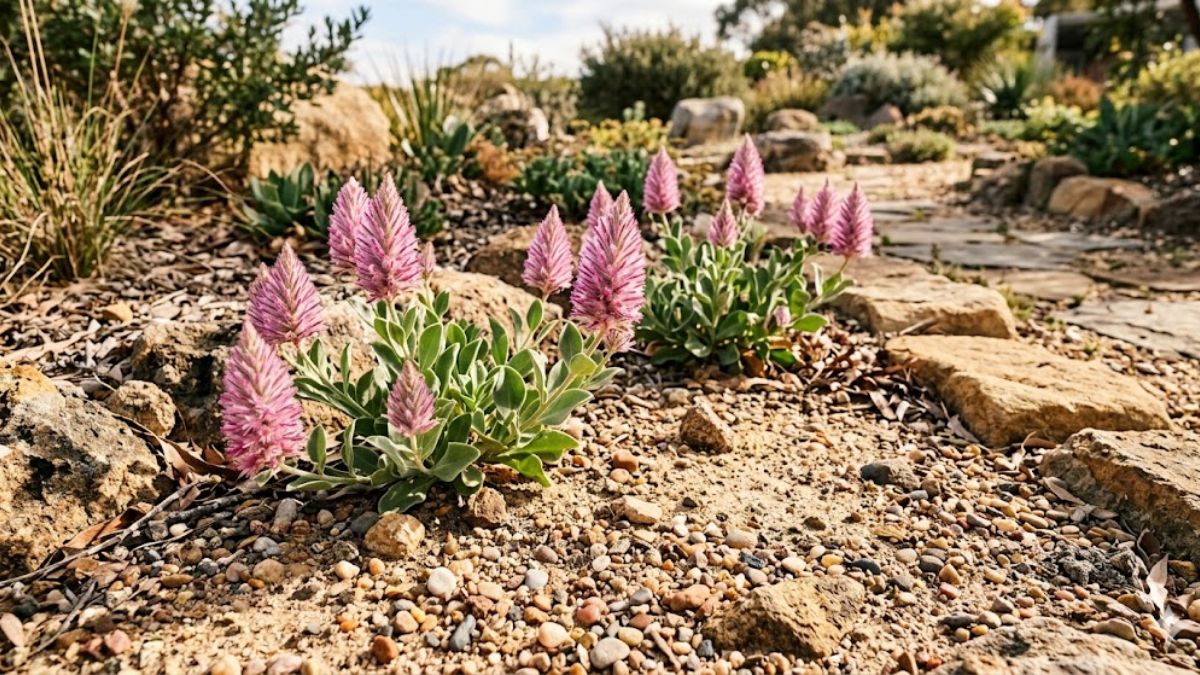
Don’t waste your expensive, rich organic compost here. I know it feels wrong to put a beautiful plant into “bad” soil, but Ptilotus actually prefers it “lean.” Think sandy, gritty, or even rocky.
The most important factor in how to grow Ptilotus is drainage. If you have heavy clay soil (the kind that stays wet and sticky like play-dough), your Ptilotus won’t last a season.
To ensure your Ptilotus thrives, using a specialized medium is essential because these plants are sensitive to moisture. The Succulent Cactus Organic Potting Soil Mix (6 L) is a high-quality choice that provides the fast drainage and gritty texture needed to prevent root rot in desert-dwelling species.
3. Growing Ptilotus in Containers: The “Joey” Secret
If you don’t have a massive garden plot or a sprawling backyard, don’t worry. You can still join the Ptilotus club. There is a specific variety called Ptilotus ‘Joey’ that was practically engineered for patio pots and balconies. It’s shorter, sturdier, and puts all its energy into flower production rather than height.
Pro-Tip for Potters: Always use a cactus or succulent potting mix. These mixes are heavily amended with perlite or sand to drain fast. Also, choose a terracotta pot if you can. Terracotta is porous, meaning it allows the soil to “breathe” and helps moisture evaporate through the walls of the pot. This keeps the Ptilotus roots happy, dry, and cool.
To naturally break up abrasive, compacted clay and improve the overall health of your garden’s ecosystem, the Jonathan Green (12190) Love Your Soil is an excellent amendment that activates soil microbes and helps air and water reach deep into the root zone.
4. Common Problems: Why Does My Ptilotus Look Ragged?
As the plant ages, the flowers can start to look a bit tired, frayed, or brown around the edges. When this happens, most beginners think the plant is dying. It’s not; it’s just finishing a cycle.
The Solution: Deadheading. This is a simple but vital task. Simply snip off the faded flower spikes at the base of the stem. This “trick” tells the plant to stop putting energy into making seeds and instead start pumping out fresh, new pink spires. It keeps the plant looking tidy and can actually extend your bloom season from the heat of spring all the way into the first whispers of fall.
5. Can You Propagate Ptilotus?
Most people grow Ptilotus exaltatus from seed, but be warned: they can be a bit stubborn. They aren’t like zinnias that sprout if you just look at them. They need consistent warmth to germinate. If you’re a beginner learning how to grow Ptilotus, save yourself the headache and buy a “starter” plant from a local nursery.
However, if you’re feeling brave and want to try cuttings, do it during the hottest part of the summer. But be prepared for some failure : because the plant moves so quickly from growing leaves to growing flowers, the stems often don’t have enough “vegetative” energy to strike roots. In the world of Ptilotus, seeds are definitely the more reliable path to a successful colony.
6. The Bottom Line: Is Ptilotus Right for You?
If you live in a Tier-1 city with a sunny balcony, or a sprawling estate in a hot, dry climate, the Ptilotus is a non-negotiable must-have. It brings a touch of wild, prehistoric beauty to the modern garden. It’s a conversation starter, a survivor, and a stunning piece of living art.
Quick Summary Recap:
Botanical Name : Ptilotus exaltatus (Pink Mulla Mulla)
Hardiness Zones : Annual in Cold; Perennial in Zones 9-11
Best Feature : Long-lasting, 4-inch feathery pink flowers
Maintenance : 2/10 (Beginner Friendly & Super Easy!)
Ptilotus: Frequently Asked Questions (FAQ)
1. How do you grow a Ptilotus?
The secret to how to grow Ptilotus is to mimic the Australian desert.
Sun: Give it at least 6-8 hours of direct sunlight.
Soil: Use sandy, well-draining soil. It hates “wet feet.”
Water: Only water when the soil is completely dry.
Fertilizer: Use it sparingly. It prefers “lean” or poor-quality soil over rich, heavy compost.
2. How tall does Ptilotus grow?
The height depends on the variety you choose:
Wild/Standard (Ptilotus exaltatus): These can reach 1 to 3 feet in height, making them perfect for the middle or back of a garden border where they can tower over shorter annuals.
Ptilotus ‘Joey’: This is a compact, dwarf version. It usually stays around 12 to 15 inches tall. It’s the best choice for small pots and balcony containers.
3. How do you start a Ptilotus seed?
Starting Ptilotus from seed requires a bit of warmth and a lot of patience:
Warmth is Key: Start seeds indoors about 6-8 weeks before the last frost. Use a heat mat if possible, as they need a soil temperature of around 21°C to 24°C to even think about germinating.
Light: Don’t bury the seeds too deep! They actually need light to wake up. Simply firm them gently onto the top of the earth.
Patience: Germination can be irregular. Some pop up in a week; others take three. Don’t throw the tray away too early!
4. Where do you plant Ptilotus ‘Joey’?
Because ‘Joey’ is shorter and more compact, it has specific “happy places” in your landscape:
Front Borders : Best as an edging plant where its unique, touchable texture can be seen (and felt) up close.
Containers : Famous for being the perfect “thriller” in pot arrangements, providing height and color without taking over.
Rock Gardens : Thrives in hot, dry microclimates created by garden rocks and gravel.
Sunny Balconies : Happy in any spot that gets “squint-your-eyes” levels of direct sun.
Stop fighting your climate and start growing something that actually likes the heat. Understanding how to grow Ptilotus isn’t just a plant skill; it’s a statement. It tells the world you’re a savvy gardener who knows how to pick a winner. Ready to add some Australian soul to your garden? Go find a ‘Joey’ and let it shine.