
This post may contain affiliate links, If you choose to buy through these links, I may receive a small commission at no additional cost to you.
Let’s be real for a minute. We’ve all seen those “perfect” Instagram gardens you know the ones, with the neon green lawns and perfectly round bushes. But have you ever stood in one? They’re eerily silent. No buzzing, no birds, just… nothing.It’s like a plastic display in a furniture store. It looks “neat,” sure, but it’s completely dead. It’s basically a green desert.
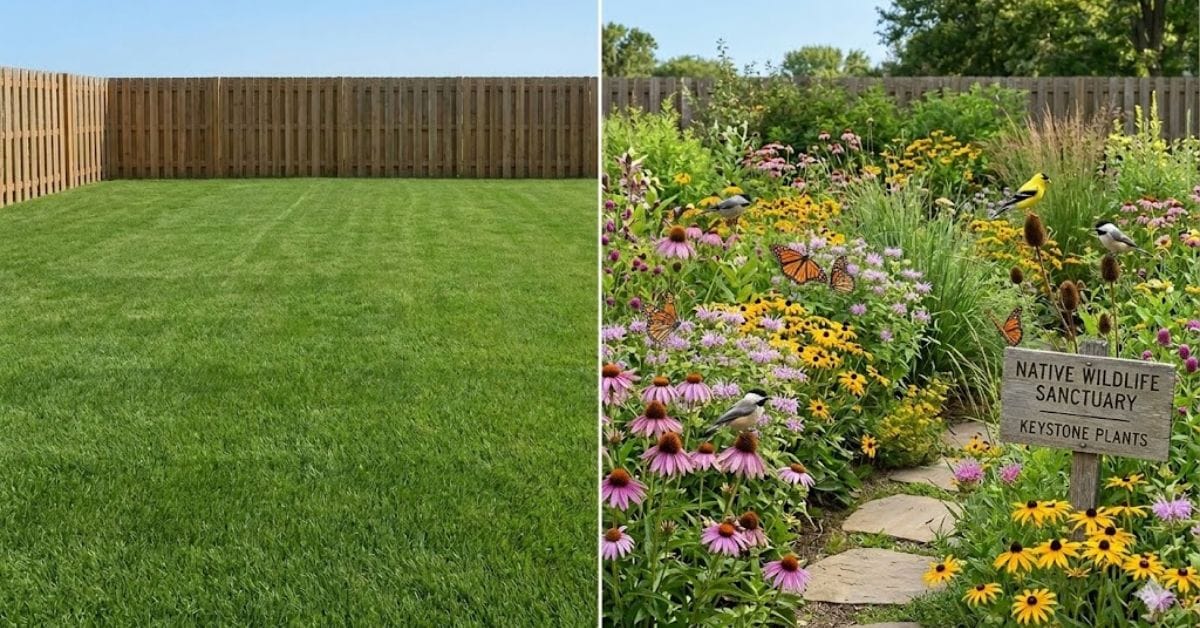
If you’re tired of a boring yard and actually want to boost your property value while doing something good, you’ve got to stop thinking like a guy with a lawnmower. Start thinking like someone who actually cares about the world we live in.That’s where 10 Essential Keystone Plants for High-Value Wildlife Landscaping come in. These aren’t just decorative weeds. They’re the heavy lifters of the natural world.
Whether you’re in a high-rise city or a quiet town your backyard might be the only “gas station” left for a hungry bird or a tired bee.
The “Aha!” Moment: Why Keystone Plants?
A few years back, I looked at my own garden and felt a bit silly. I had spent so much money on exotic, flashy plants that looked “cool” but were basically useless to the local wildlife. They were just expensive statues. Then I heard about “Keystone Plants.”
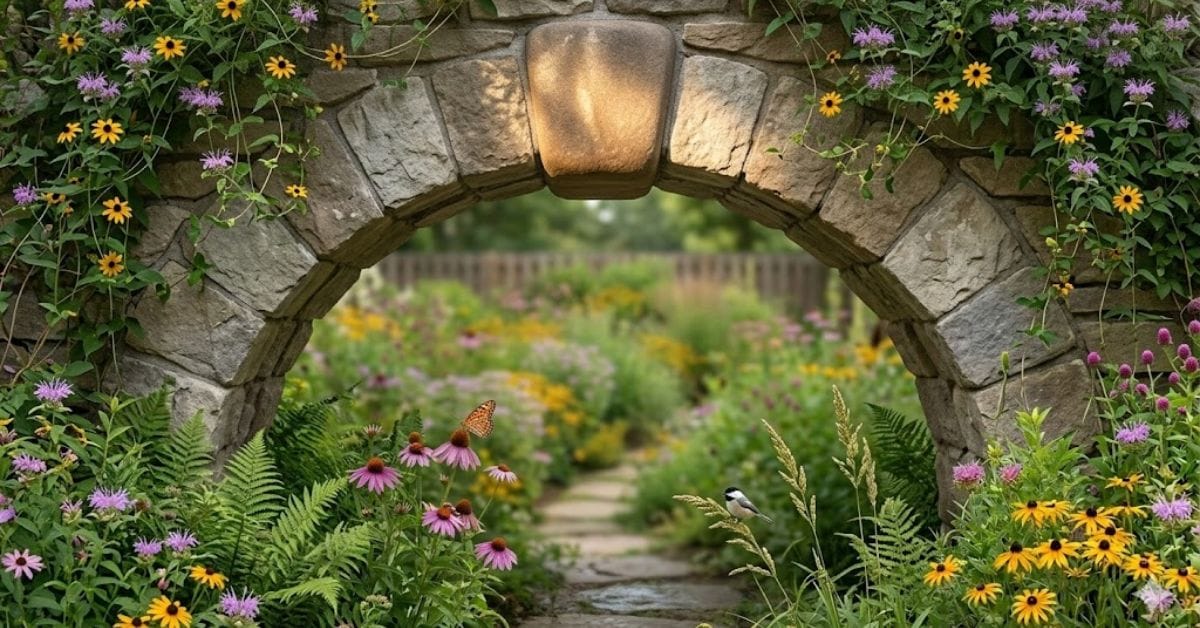
Think of a stone arch. The stone right at the top the keystone is what keeps the whole thing from crashing down. Take it out, and the arch is gone. Nature works exactly the same way. Science tells us that just a tiny handful of native plants do about 75% of the work when it comes to feeding local life.
You can explore the full scientific breakdown of keystone species here. If you don’t have these specific plants, you don’t have a food web. It’s that simple.
Related Read: Building a healthy ecosystem starts with the soil. Check out our guide on Regenerative Gardening: Build a ‘Water-Positive’ Yard to see how you can restore your land further.
The 10 Plants That Actually Matter
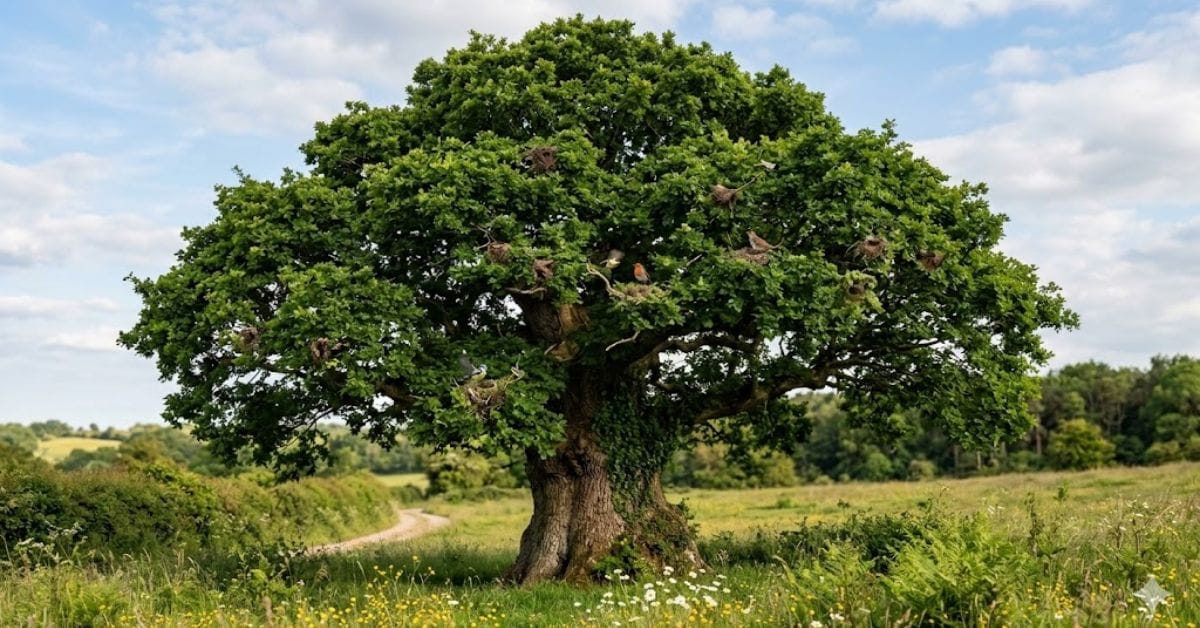
1. The Mighty Oak: If you only have room for one single tree, make it an Oak. Seriously. Whether you’re in the US or the cooler parts of India, Oaks are the absolute kings. They host hundreds of types of caterpillars. Now, don’t freak out about “bugs” : those caterpillars are what baby birds eat. No caterpillars? No baby birds. Plus, a big Oak adds a massive chunk of value to your house price. It’s a solid investment.
If you’re ready to start your own legacy, you can begin the journey with Oak: From Seed to Ancient Tree and watch your backyard transform over the years.
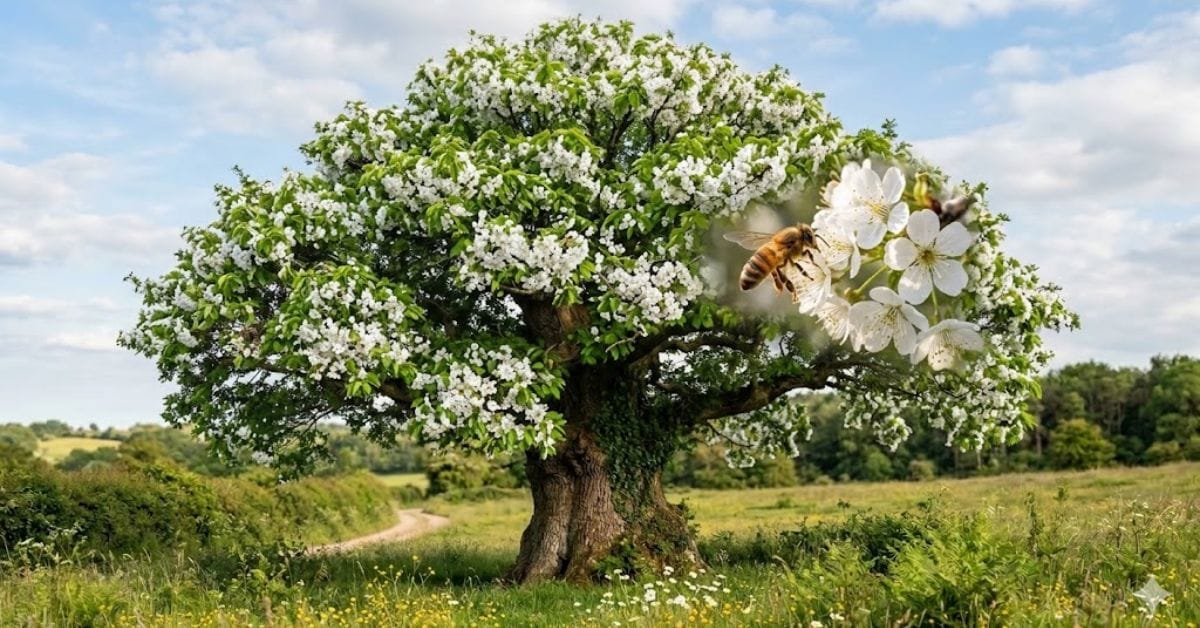
2. Native Cherries and Plums: Most of us plant them because we want the fruit, but for a bee waking up after a long winter, those early blooms are a literal lifesaver. It’s like opening a 5-star restaurant for pollinators right when they need it most.
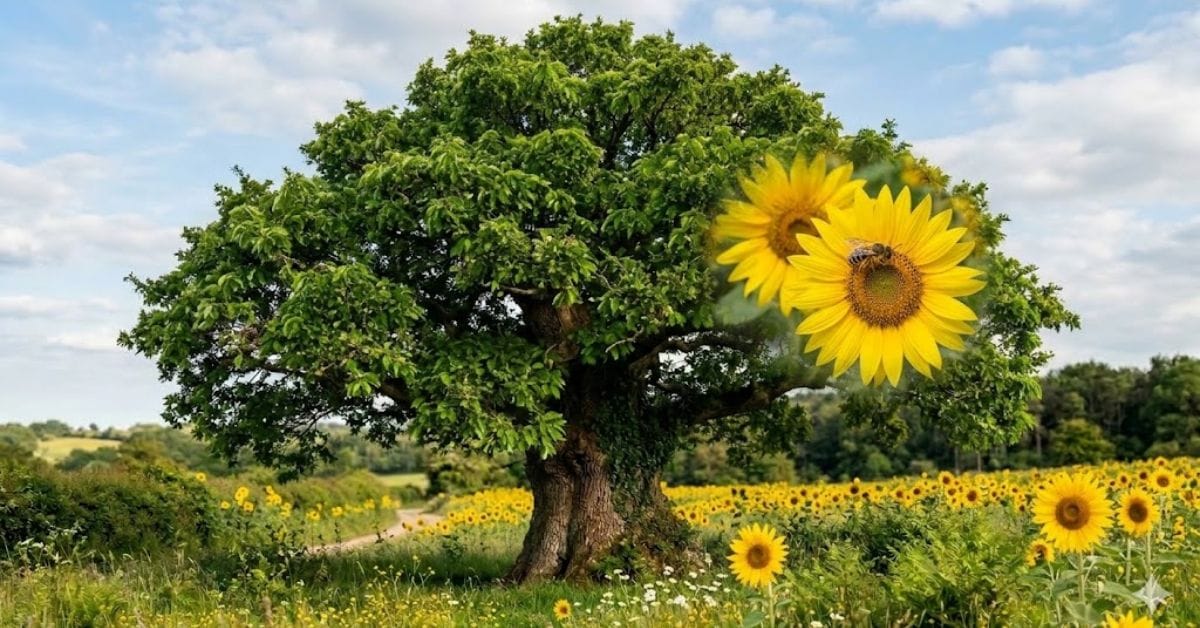
3. Sunflowers: I’m not talking about those giant ones on farms. Native sunflowers are powerhouses for “specialist” bees : the picky eaters that can’t survive on anything else. They look great, they’re easy to grow, and they make your yard look high-end.
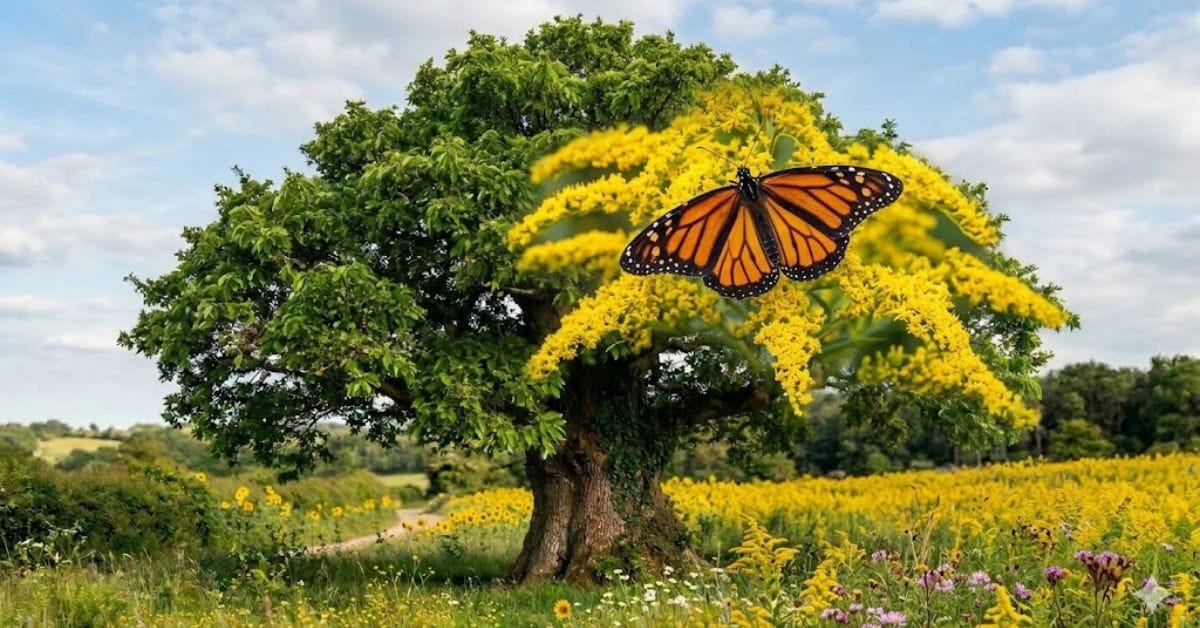
4. Goldenrods: Poor Goldenrod gets blamed for everyone’s allergies (it’s usually ragweed, but Goldenrod is just more visible). In reality, it’s the “last call” at the bar for butterflies that are about to migrate. It’s pure energy.
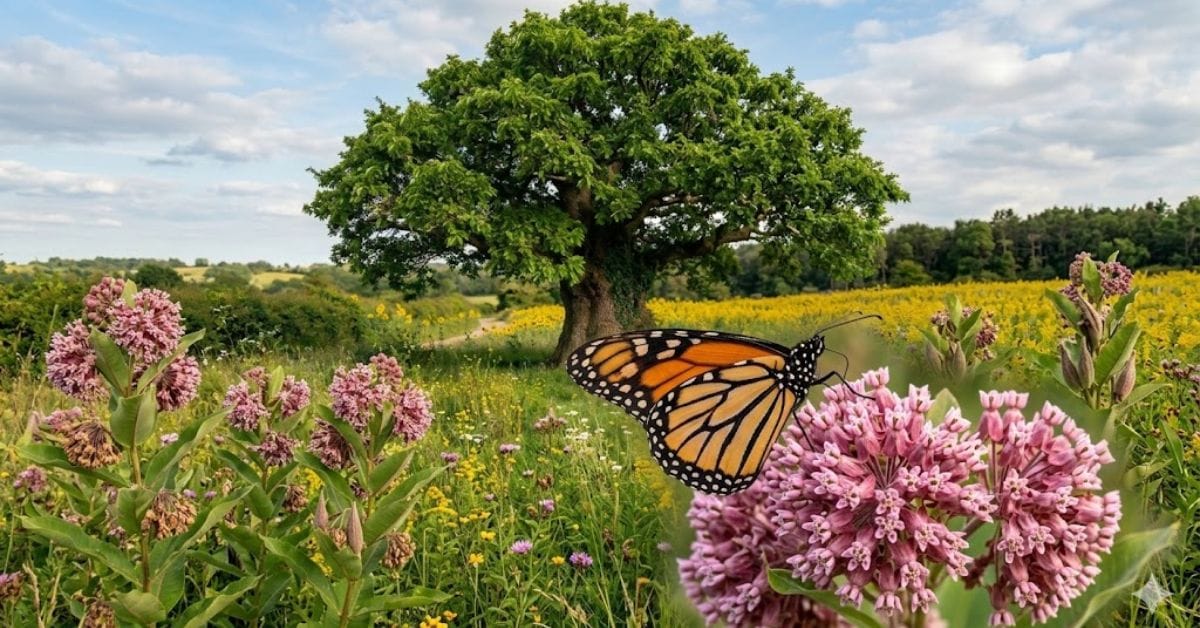
5. Milkweed: If you want those iconic orange Monarch butterflies, you have to plant Milkweed. It’s not a suggestion; it’s a requirement. Their caterpillars only eat Milkweed. No plant, no butterflies. It’s that simple.
For Butterflies: To attract and host Monarchs, you can get these Seed Needs Pink Swamp Milkweed Seeds which are heirloom and untreated.
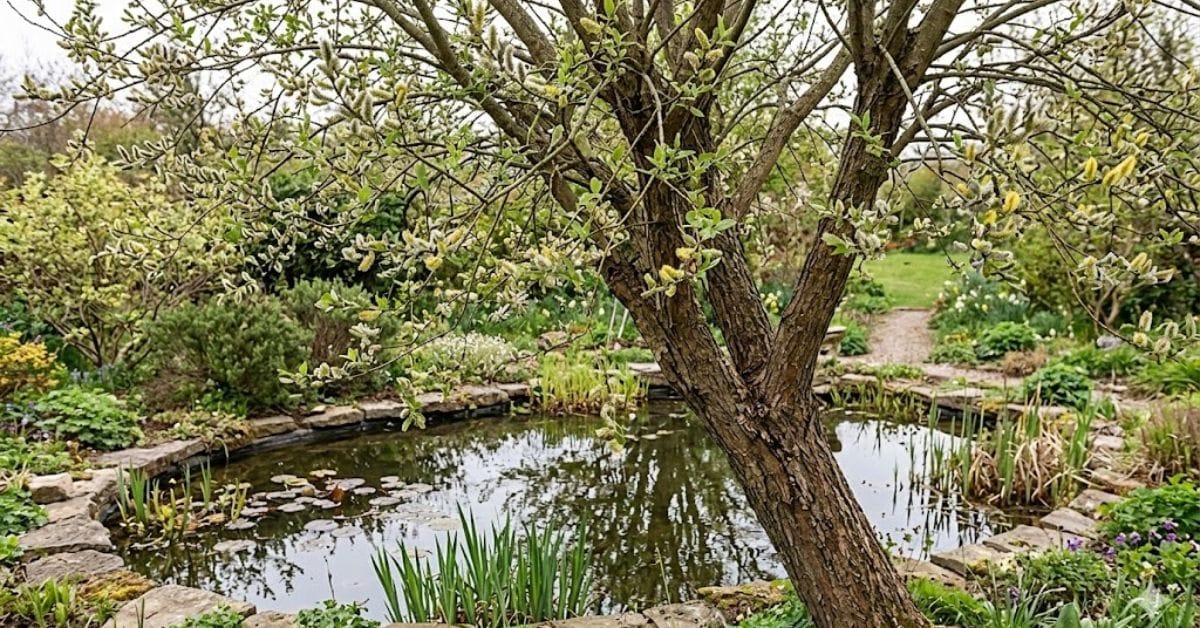
6. Native Willows: They’re like the “medicine cabinet” of the garden, helping insects stay healthy while providing some of the earliest food of the year.
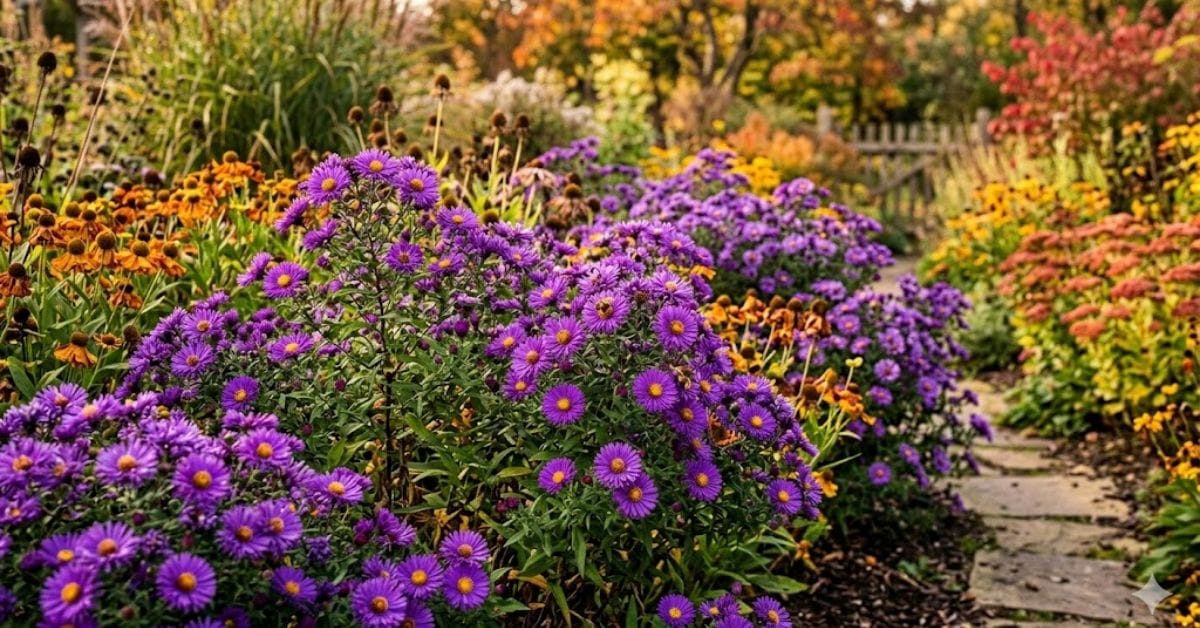
7. Asters: These are the purples and blues that show up when everything else is turning brown. They keep your garden working long after summer is over.
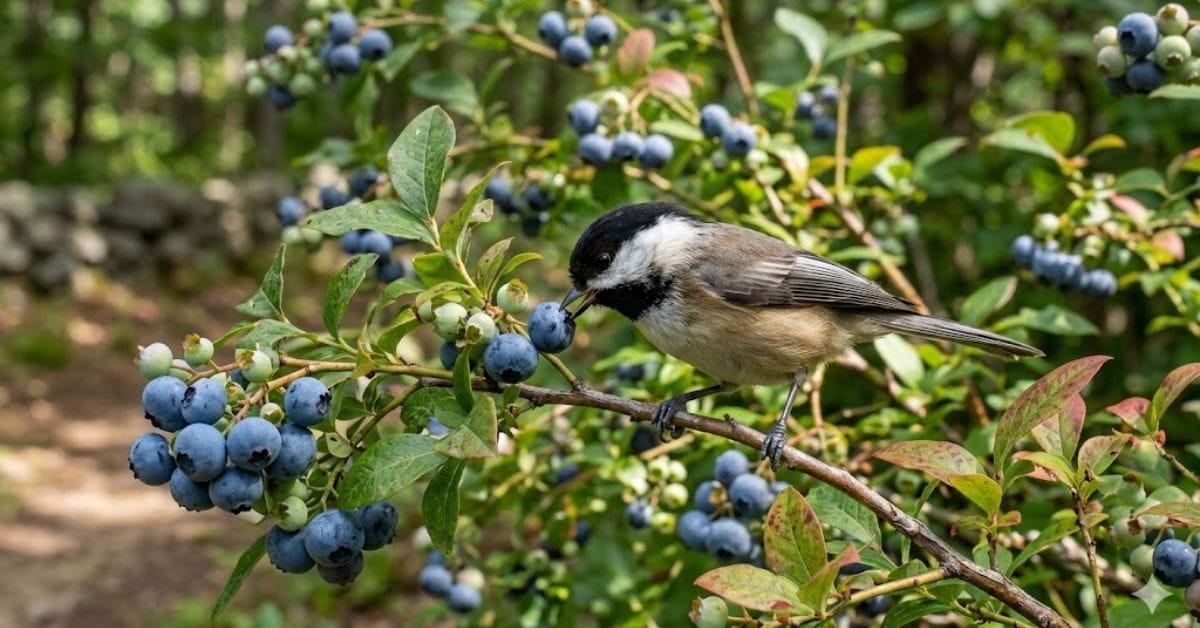
8. Blueberries: This is where “High-Value” meets “Delicious.” They look beautiful in spring, give you fruit in summer, and turn a stunning red in the fall. Over 200 species of butterflies love them too.
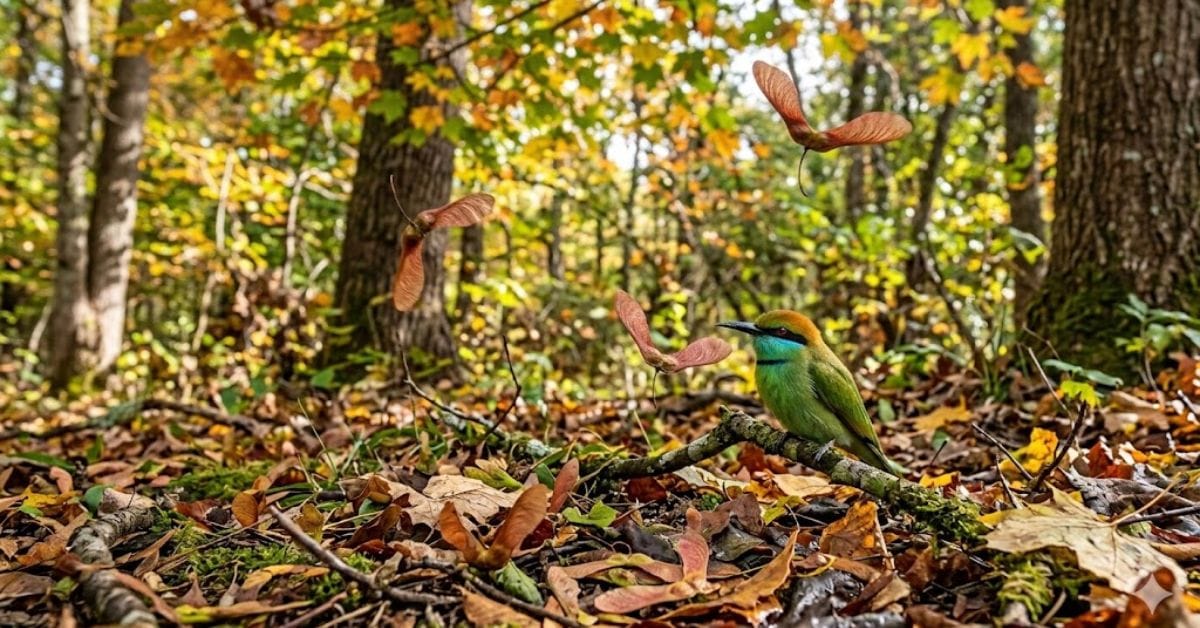
9. Native Maples: We love them for the shade, but wildlife loves them for the seeds. Those little “helicopter” seeds are a vital snack for small animals when food gets scarce.
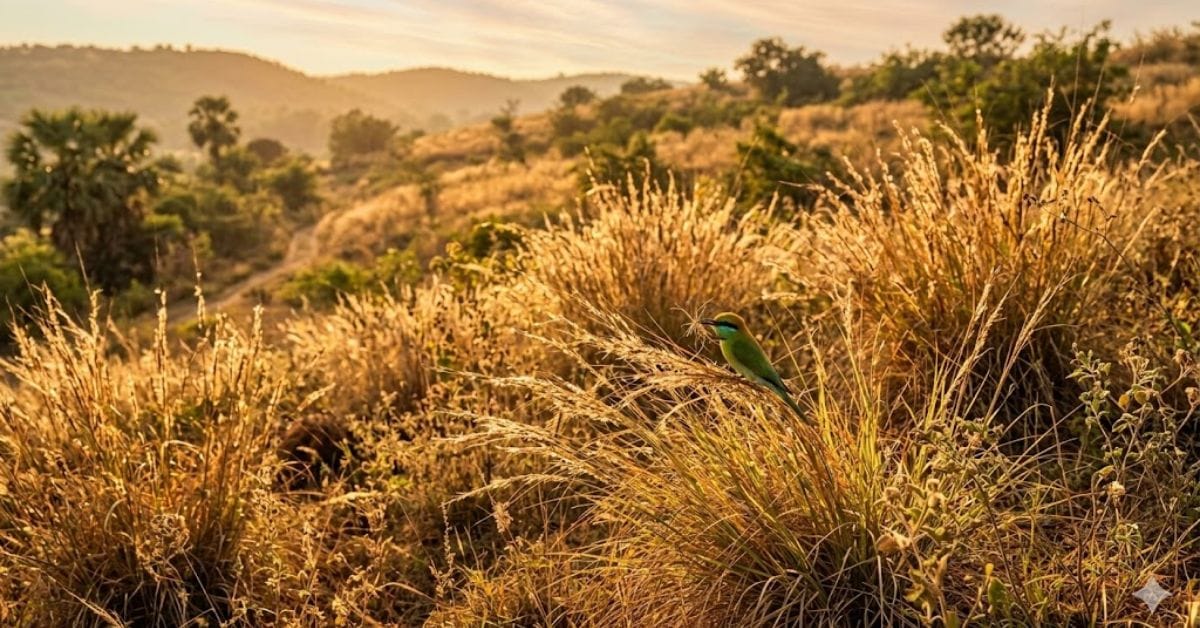
10. Native Grasses: People always skip the grasses. They think they’re just weeds. But native grasses like Little Bluestem are the “bones” of your backyard. They give birds nesting material and provide a spot for bees to hide during the winter.
Does “Wild” Mean “Messy”?
You might think a wildlife-friendly garden looks like an abandoned lot, but High-Value Wildlife Landscaping is all about “Intentional Beauty.” You’re not just letting weeds grow; you’re choosing plants that look good and do good.
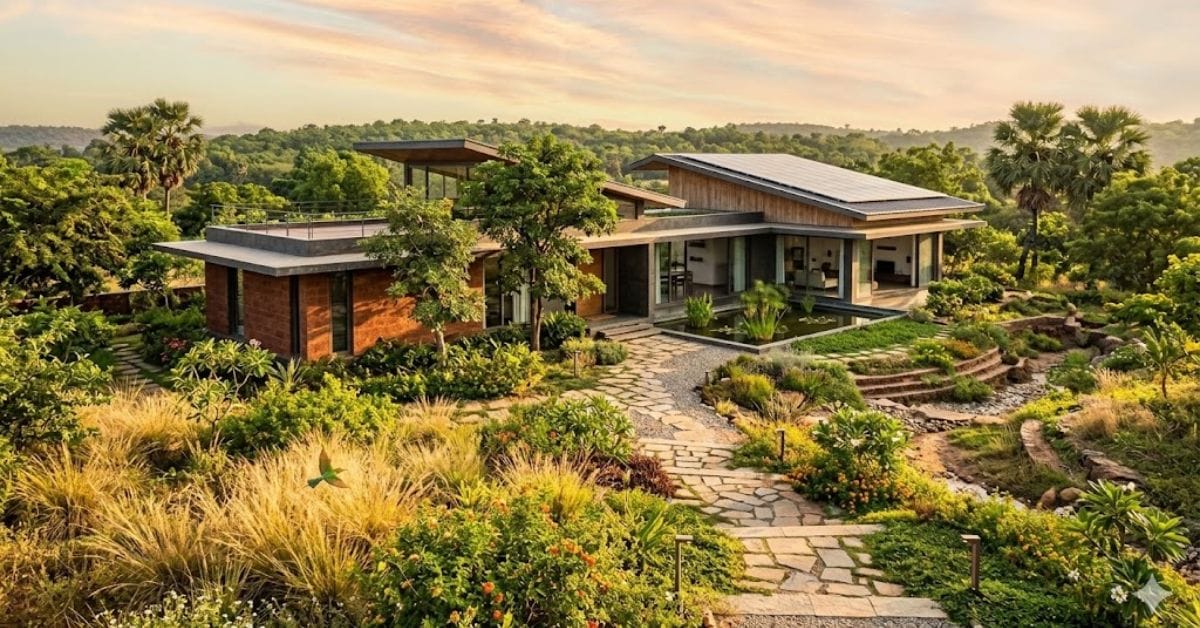
The perks are huge. These plants belong here, so they don’t need you to baby them with chemicals or constant watering. Plus, when you have birds around, they do the pest control for you. Today’s home buyers want a retreat a yard buzzing with life is a huge selling point.
Pro Tip: To make your garden even more resilient, you can pair these keystone species with 12 Drought-Tolerant Plants That Thrive in Extreme Heat to save even more on your water bill.
The Mistakes Most People Make
I see people at garden centers all the time buying the brightest, weirdest-looking flower they can find. Then they wonder why their yard is empty. The biggest trap? “Double Flowers.” Breeders make flowers with extra petals because they look fancy, but those extra petals often block the nectar. It’s like putting a lock on a fridge.
Also, get used to a few holes in your leaves. If nothing is eating your plants, your garden is basically a museum not a living space.
Just Start Somewhere
Look, you don’t have to rip out your whole lawn tomorrow. Just pick one corner. Replace a dying shrub with an Oak or some Asters. Check what’s actually native to your specific area. Provide a little water even a shallow bowl helps and stop bagging up every single leaf that falls. At the end of the day, gardening is about being a good neighbor to the creatures we share this planet with. Choosing 10 Essential Keystone Plants for High-Value Wildlife Landscaping isn’t just about a pretty yard; it’s about bringing the soul back to your home.
Once you hear that first new bird song or see a rare butterfly land on a flower you planted, you’ll be hooked. Trust me, you’ll never want a “silent” garden again.
So, what’s going to be your first native plant?