This post may contain affiliate links, If you choose to buy through these links, I may receive a small commission at no additional cost to you.
You know that feeling when your head just feels full? Like you’ve got forty different apps open at once, and some random video is playing audio but you can’t find where it’s coming from. Yeah, that’s not just regular tired. That is what people call sensory overload. Honestly, nowadays our phones just won’t stop buzzing. Every two seconds it’s a new ping, a new email, or some useless video notification. We completely forgot what actual silence feels like. It’s pretty annoying, sure, but worse than that, it just drains your battery completely. You feel blank. But look, you don’t have to pack up all your stuff and go live in some forest to fix your head. The best fix is actually right there in your living room. Just doing a basic Dopamine Fasting at Home and cutting down all the crazy noise around you gives your poor brain a chance to finally drop the stress, take a long breath, and clear out all that digital garbage.
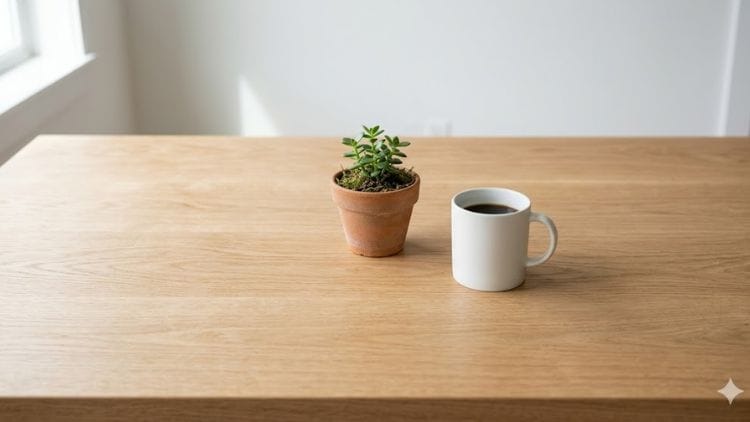
Setting up a peaceful, distraction-free environment at home to help your mind reset and unplug from digital noise.
1. What actually happens during a dopamine detox?
Okay, let’s clear up one huge thing first because internet gurus get it totally wrong. You can’t actually flush dopamine out of your body. Like, it doesn’t work that way. Dopamine is just a normal chemical your brain makes so you feel like getting things done. The real issue? We are just blasted with too much stuff. When you spend three hours looking at brain-rot short clips, checking who liked your photo, or watching a loud movie while eating breakfast, you just fry your brain’s circuits.
When you clean up your space, you aren’t turning off your chemicals. You’re just turning down the volume outside. Inside this routine of Dopamine Fasting at Home, here is what actually goes down inside your head when you take a step back:
The Baseline Reset: Your brain stops expecting a wild party every single second. After a few days, just sitting down with a regular old paper book or chopping up some onions for dinner feels kind of nice and peaceful, instead of super boring.
Cortisol Drops: All those little phone vibrations keep your body on high alert, like you’re in a slow-motion emergency all day. Shoving the phone in a drawer lets those stress levels just drop instantly.
True Boredom Returns: People hate being bored, but honestly, that’s when your brain actually starts making up cool stuff. When you aren’t feeding it random internet trash every minute, it finally starts thinking its own thoughts.
2. How to lower sensory input at home without going crazy
Look, nobody is telling you to throw away all your furniture and live in an empty garage. That’s just silly and nobody has time for that. The real trick behind a proper Dopamine Fasting at Home setup is just making a few lazy, smart changes to your rooms so your poor eyes and ears get a break.
1. Clear the visual distractions (Messy Space = Messy Mind)
Your eyes catch everything, even when you think you’re looking somewhere else. A table covered in dirty coffee mugs, tangled phone wires, and random junk mail makes your brain work overtime in the background.
The “One-In, One-Out” Rule: Keep the big stuff clear. Your kitchen counter or coffee table? Keep them totally empty except for the one or two things you actually touch every single day.
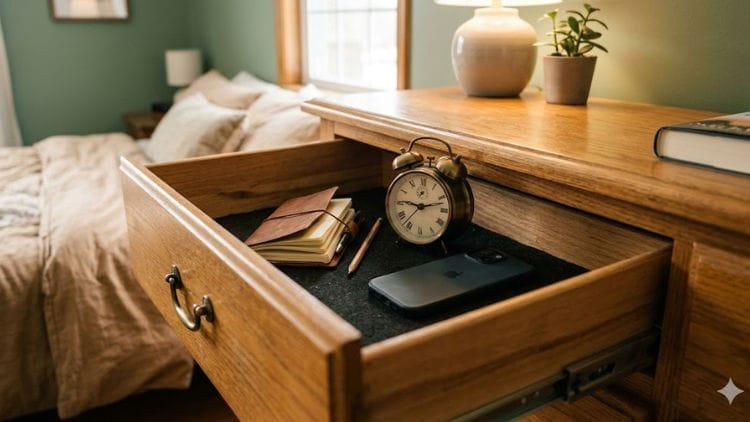
Hide the Tech: Stop leaving all your remotes, wires, and tablets lying around like decorations. Stuff them in a basket or a drawer. Seriously, if you can’t see it, you don’t think about it.
We get so used to random background noise that we forget it’s low-key stealing our energy. Think about the loud hum of your old fridge, some TV shouting in the next room, or trucks passing by outside.
Create a “Sound Sanctuary”: Pick one corner even just a specific comfy chair : where no screens or speakers are allowed to make a peep.
Use Low-Frequency Sounds: If a completely dead-silent room makes you feel weirdly nervous or twitchy, turn on some basic brown noise or fan sounds instead of music with words.
3. How do I reset my brain from overstimulation?
If your mind feels totally cooked today, you don’t need to change your entire life overnight. Just try these two basic steps to give your nervous system a quick break.
The 2-Hour Digital Blackout
Just pick a tiny window today. Maybe right when you finish your work shift, or right before you hit the bed. Put your phone on silent not vibrate, actual silent and leave it in the kitchen or another room. No cheating, don’t leave it on the couch face down.
If your willpower alone isn’t enough to stay away from screens, using a Mindsight Timed Lock Box is the easiest way to physically lock away your phone and boost your mental wellness. It helps you completely unplug from social media, video games, and constant cravings by keeping distractions out of sight and out of mind.
Go do something totally old-school for two hours. Wash some dishes, fold your laundry, or just sit outside on the steps with a cup of tea. Honestly, the first twenty minutes are going to feel super annoying. You’ll feel your hand twitching toward your pocket automatically. Just sit through it. That weird itchy feeling is just your brain slowing down to a normal speed while doing Dopamine Fasting at Home.
A 2-hour digital blackout cuts down phone cravings by introducing physical friction.
Sensory Grounding Techniques
When your thoughts are spinning out of control and you can’t sleep, just look at the actual room you are sitting in. Try doing a quick checklist using your house:
Find five quiet things with your eyes (like a wooden frame or a spot on the wall).
Touch four different textures nearby (the cool floor tiles, a soft cotton shirt).
Listen out for three soft sounds (maybe birds outside or the wind).
Take a slow sniff for two normal smells (like coffee or your soap).
Taste one little thing, like a piece of chocolate, but do it really slowly.
4. Does dopamine fasting help with ADHD and focus?
A ton of people are googling this exact thing right now. Look, to be totally straight with you, skipping screen time isn’t a medical cure for ADHD or anything. But honestly? So many people say it completely fixes their focus issues.
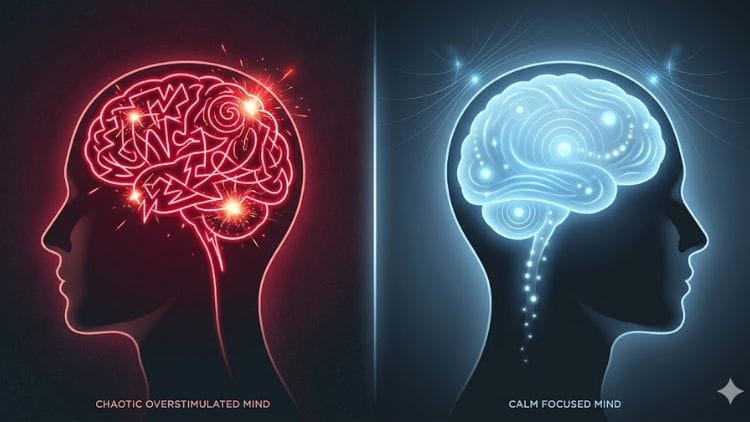
Overstimulated Brain (High Sensory Input)
Dopamine Reset Brain (Low Sensory Input)
Constant urge to switch tasks
Ability to sustain focus longer
High anxiety and restlessness
Higher sense of internal calm
Brain fog and poor memory
Clear thinking and quick recall
Dependent on instant gratification
Enjoys slow, meaningful progress
Lowering heavy sensory load helps shift the nervous system from chronic anxiety to internal calm.
Since ADHD brains naturally have lower dopamine levels, they are constantly searching for quick hits of excitement just to stay alert and focused. When you intentionally clean up the sensory mess in your house, you stop feeding that endless loop of wanting more. Practizing Dopamine Fasting at Home makes ordinary, heavy tasks: like doing your taxes, writing that report, or finally sorting out your messy closet way easier to just start and finish without walking away every five seconds.
5. Simple habits to maintain a low-stimulation lifestyle
Once you feel how nice a quiet house actually is, you honestly won’t want to go back to that old noisy lifestyle. Here are a few low-effort habits to keep things chill every week:
Monotasking Over Multitasking: Drop the habit of eating your dinner while scrolling TikTok and having a podcast playing on your laptop. Just do one thing. If you’re eating, just taste the food. It’s better anyway.
An Analog Morning Routine: Don’t touch your phone for the first half hour after you wake up. Let your eyes get used to the normal sunlight coming through the blinds instead of staring at a screen full of stressful news or work chats.
Moving your phone out of the bedroom and using a reliable option like the AYRELY Super Loud Alarm Clock ensures you wake up on time without getting instantly sucked into morning screen time. Its silent, non-ticking quartz movement won’t disturb your sleep, but its twin bell design is loud enough to wake up even the heaviest sleepers naturally.
Weekend Slow-Downs: Give up just one Saturday or Sunday morning to a totally slow schedule. Go walk around outside without headphones, make a nice meal from scratch, or do something with your hands without looking at a screen once.
At the end of the day, our brains were never made to process a million pieces of global news every single second. We were built to care about the actual space around us. Learning the balance of Dopamine Fasting at Home isn’t about missing out on life. It’s just giving yourself some breathing room so you can actually enjoy your days.
By choosing to practice dopamine fasting at home, you are taking back control of your focus and baseline peace. Just try it out tonight. Put the phone away in a drawer, turn off that background TV noise, dim the bright lights, and just sit quiet for a second. Your mind is going to feel a whole lot lighter tomorrow morning.
Reclaiming your mental freedom begins by reconnecting with the real, physical space around you.
FAQ :
1. Does fasting improve dopamine receptors?
Ans. Yeah, it actually does, but honestly not how most people think it works. When you take a fast whether you’re skipping food for a bit or just taking a hard break from your phone screen : you’re just giving your brain a break from non-stop spikes.
Think of those receptors like your ears. If you stand right next to a huge speaker at a rock concert for hours, your ears go kind of numb to protect themselves from the noise. But if you sit in a dead-silent room for a whole day, your hearing gets super sharp again. Fasting does the exact same thing to your head. By cutting off the endless supply of quick rewards, your brain resets itself and gets way more sensitive. So after you finish, simple everyday things start making you feel good again.
2. How to decrease dopamine levels in the brain naturally?
Ans. First off, let’s do a quick reality check here: you don’t actually want to empty out your dopamine or bring it down to zero. You need it just to get out of bed and make breakfast. What you really want to get rid of are those crazy, unnatural spikes from bad modern habits.
Here is how you flatten it out naturally without any weird hacks:
Kill the Multitasking: Seriously, stop looking at your phone while watching a movie on TV. Pick one thing and just stick to it.
Delay Your Gratification: When you get that sudden urge to buy some shoes online or grab a bad snack, tell yourself to wait 20 minutes. Most of the time, that crazy urge just goes away on its own.
Embrace Friction: Put your social media apps way back inside deep folders on your phone, or just hide the phone in another room while you’re working. If it takes extra steps to get to the distraction, your brain stops wanting it so much.
3. How to trick your brain into releasing dopamine?
Ans. If you’re stuck staring at some massive, boring paperwork and you just can’t bring yourself to start, you can totally “trick” your mind into making dopamine. The whole secret is just breaking that lazy procrastination loop with a few simple mental tricks:
The 5-Minute Rule: Tell yourself, “Look, I’m only going to touch this thing for five minutes. If I still hate it after that, I can just quit.” The worst part of any job is just the first step. Once you do that tiny bit, your brain drops a tiny bit of dopamine, and that gives you the push to keep moving.
Gamify Your Chores: Turn your boring house cleaning into a silly game. Set a timer for ten minutes on your stove and see if you can wipe down the whole kitchen before it starts annoying you with pings.
Celebrate Micro-Wins: Don’t wait until the whole house is clean to feel happy. Write down small steps on a scrap piece of paper and cross them off with a pen. Seeing that line cross through a task gives you a nice little hit of dopamine that keeps your mood up.