
This post may contain affiliate links, If you choose to buy through these links, I may receive a small commission at no additional cost to you.
I’ve been there. You’re brushing your teeth, thinking about your day, and suddenly you notice it. The water isn’t leaving. It’s just… swirling. Then it stops. Now you’re staring at a pool of gray, soapy water with bits of hair and toothpaste floating in it.
It’s gross. It’s frustrating. And if you’re like me, your first instinct is to panic and call a plumber who’s going to charge you $200 just to say “hello.” Or worse, you reach for that bottle of blue chemical stuff that smells like it’s melting the Earth.
After years of managing my own home and writing about DIY lifestyle, I’ve realized that a slow sink drain is almost always something you can fix yourself in 15 minutes. You don’t need fancy tools. You just need a little bit of “know-how” and maybe a pair of rubber gloves (because things are about to get a bit slimy).
1. The “Secret Weapon” – The $2 Plastic Zip Tool
If your bathroom sink is slow, it’s 90% likely a “hair monster.” Hair, soap, and skin cells love to have a party right under your drain.
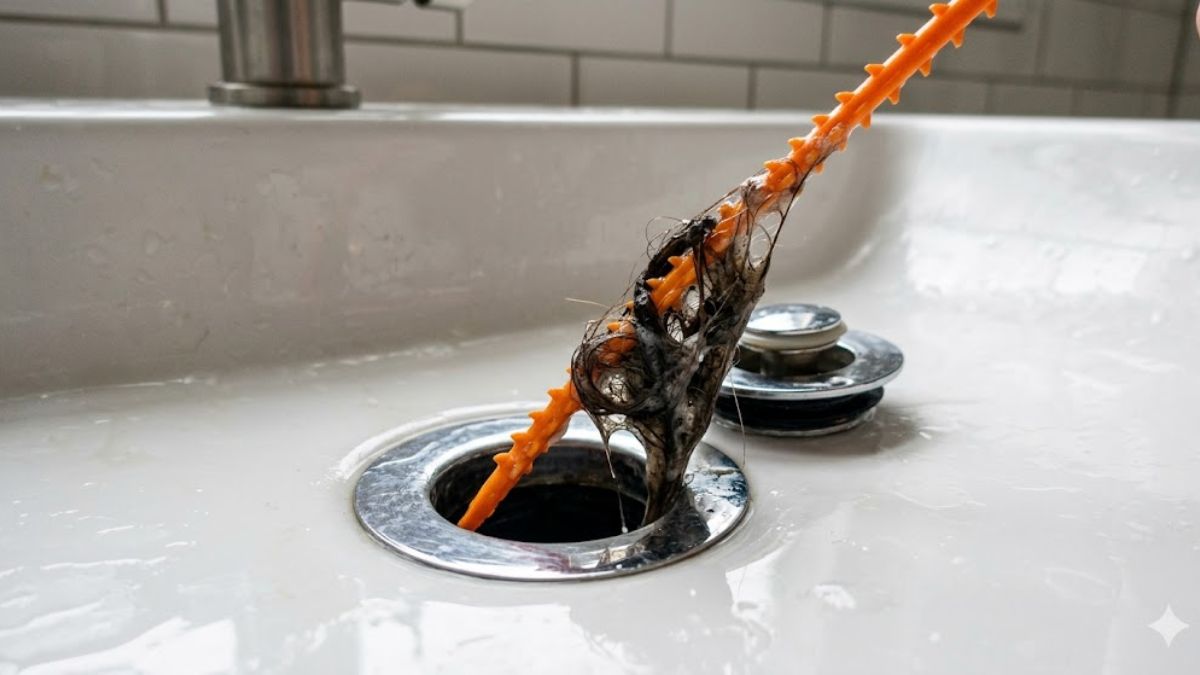
The Method: Buy a plastic drain snake (often called a zip tool). It’s a long, flexible strip with barbs. The Experience: You slide it in, wiggle it, and pull. The first time I did this, I pulled out something that looked like a wet wig. It was disgusting, but the water drained instantly after that. It’s the most satisfying fix ever.
2. The Old-School Coat Hanger Trick
Don’t have a zip tool? Go to your closet.
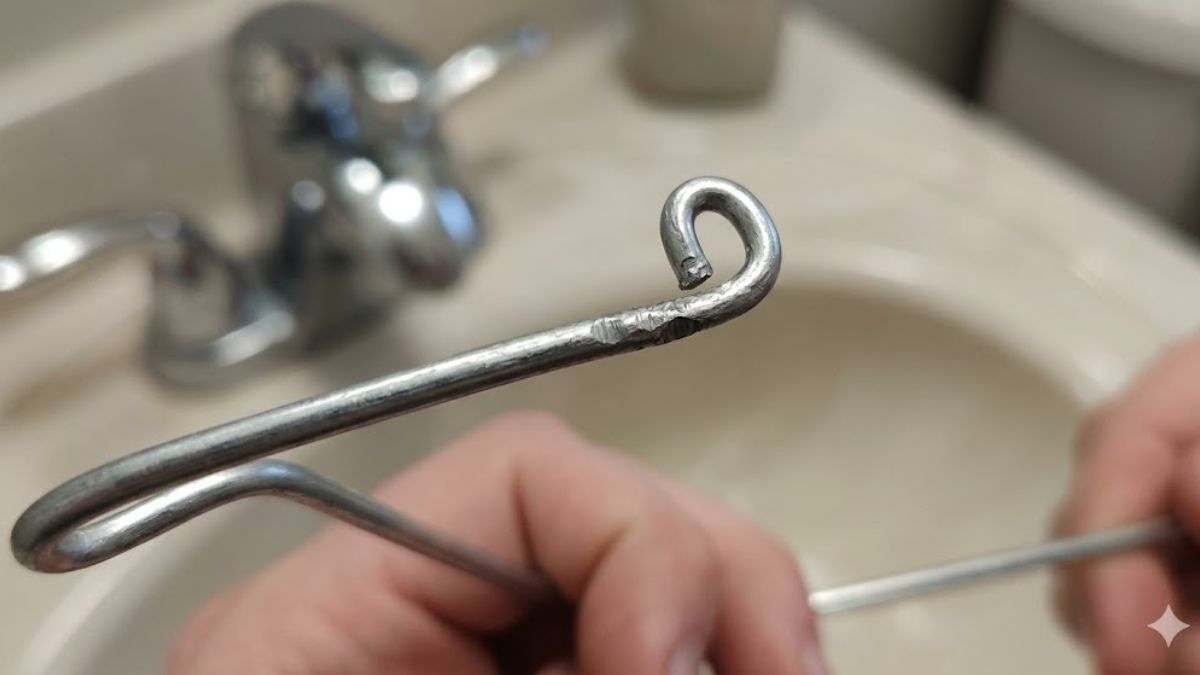
The Method: Take a wire coat hanger, straighten it out, and make a tiny hook at the end with pliers. The Secret: Don’t push the clog further down. Use the hook to “fish” the hair clumps out. It’s a bit of a surgical move, but it saves a trip to the hardware store.
Pro Tip: Instead of struggling with a coat hanger, you can get a professional-grade 9-Pack Drain Clog Remover and Hair Catcher Tool Set that includes 25-inch hair snakes and a 35.5-inch auger to reach those deep ‘hair monsters’ instantly.
3. Boiling Water (But Watch Your Pipes!)
Sometimes, the “clog” is just hardened soap scum or grease.
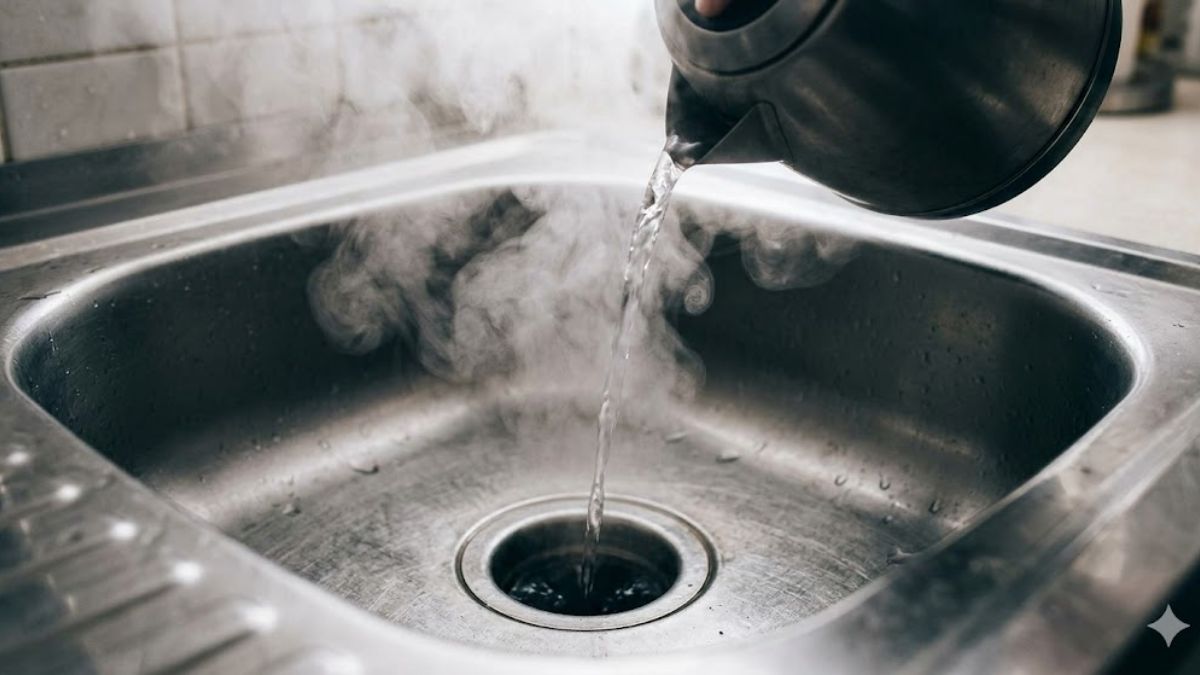
The Method: Boil a full kettle of water and pour it slowly down the drain in three stages. The Warning: If you have PVC (plastic) pipes, do not use boiling water. It can soften the joints and cause leaks. Use very hot tap water instead. For metal pipes? Go for the boil!
4. The “Science Fair” Reaction: Baking Soda & Vinegar
This is the “Natural DIY” king. It’s not just for kids’ volcanoes; it actually breaks down the “muck” inside pipes.
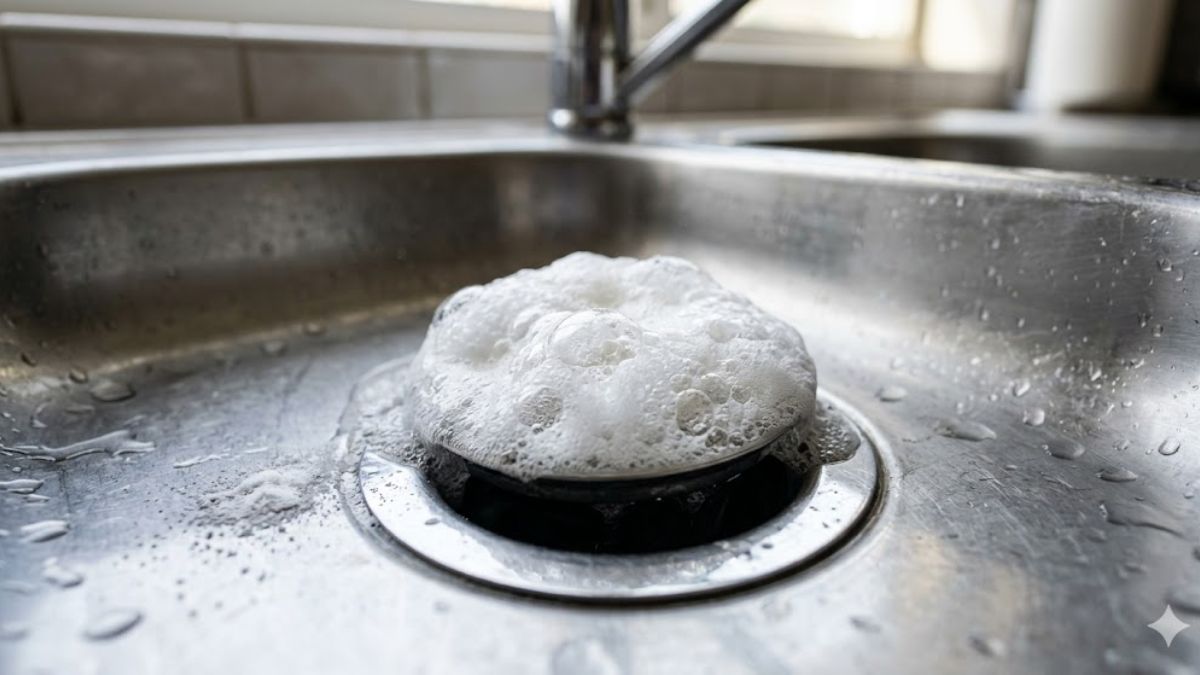
Step-by-Step: 1. Pour half a cup of Baking Soda down. 2.Next, pour in half a cup of white vinegar.3. The Pro Move: Cover the drain with a wet rag immediately. This keeps the pressure inside the pipe where the clog is. 4. Wait 15 minutes and flush with hot water.
Using natural pantry staples instead of harsh chemicals is the first step toward a greener home. If you want to take your eco-friendly habits further, check out my guide on How to Turn Kitchen Scraps Into Useful Garden Fertilizer to reduce waste even more.
5. Cleaning the “Black Slime” Off Your Stopper
Ever notice that your sink drains slow even when you don’t see hair? Look at your pop-up stopper.
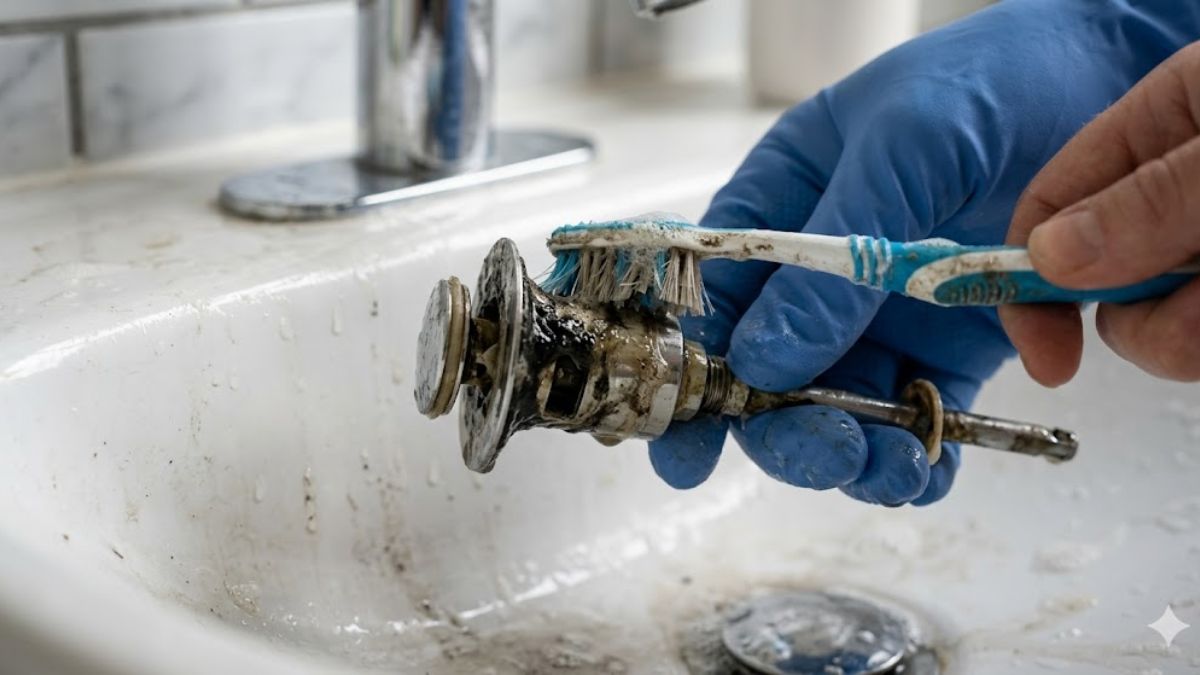
The Culprit: The stopper itself collects a thick, black biofilm (slime). The Fix: Reach under the sink, unscrew the nut holding the rod, and pull the stopper out. Scrub it with an old toothbrush and some dish soap. You’ll be shocked at how much faster the water moves when that stopper is clean.
6. The “Plunger” Isn’t Just for Toilets
A small sink plunger (the flat-bottomed one) can work wonders.
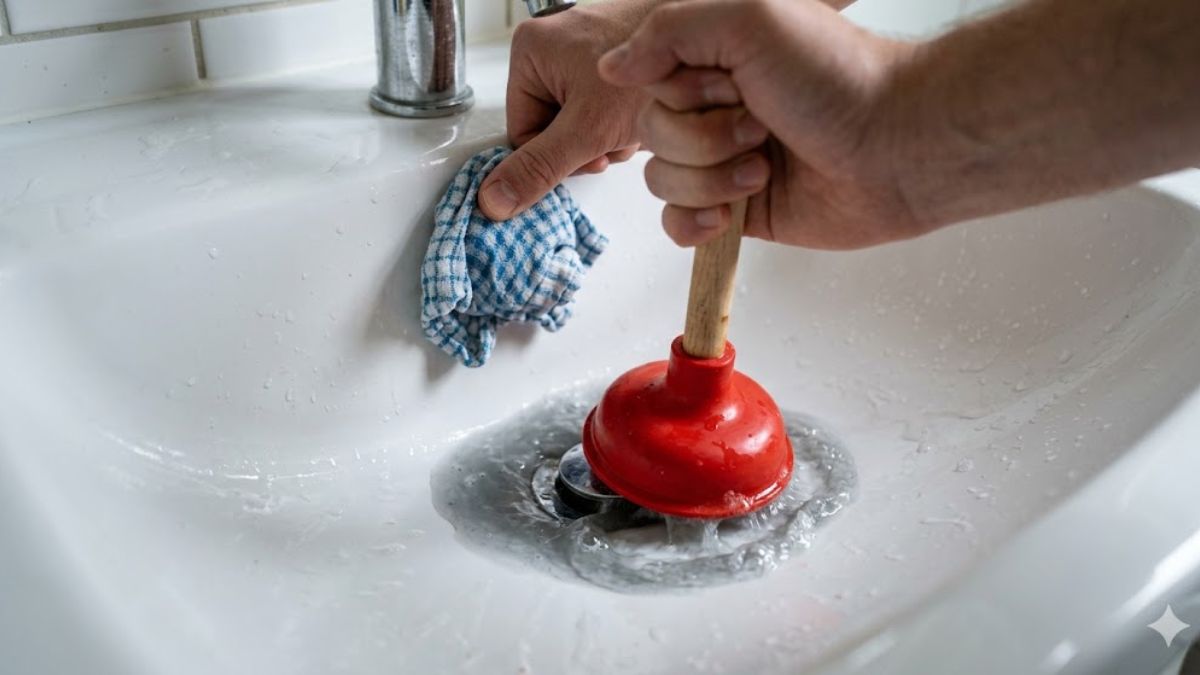
The “Human” Mistake: Most people just pump and hope. The Real Way: You have to seal the overflow hole (that little hole at the top of the sink) with a wet rag or duct tape. If you don’t, the air just escapes, and you get zero suction. Seal it, plunge 10 times fast, and watch the magic happen.
For a deeper look at the science of pressure and why sealing the overflow is essential, Family Handyman has a great breakdown on how to use a plunger correctly for different types of clogs.
7. The Dish Soap & Hot Water Flush
This is specifically for kitchen sinks where grease is the enemy.
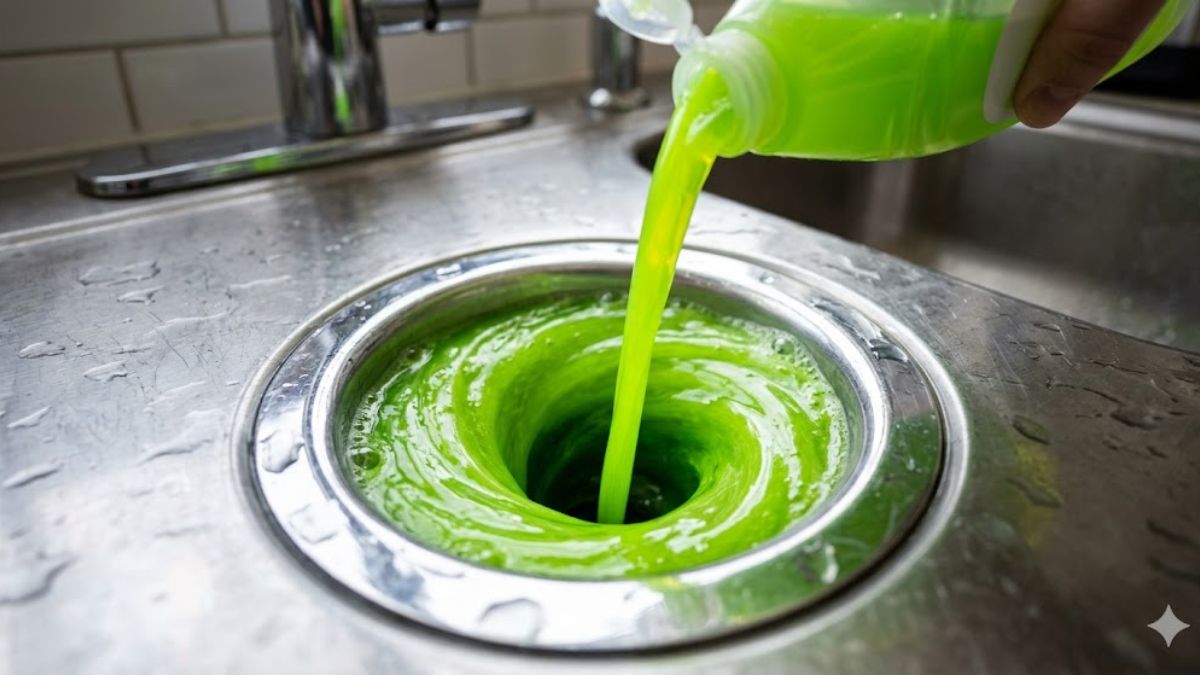
The Logic: Dish soap is designed to break down grease. The Method: Squirt a generous amount of grease-cutting dish soap (like Dawn) down the drain. Let it sit for 10 minutes, then follow with a gallon of very hot water. It “lubricates” the pipes and slides the grease away.
8. The Wet/Dry Vacuum Hack
If you have a shop-vac, you have a professional-grade drain cleaner.
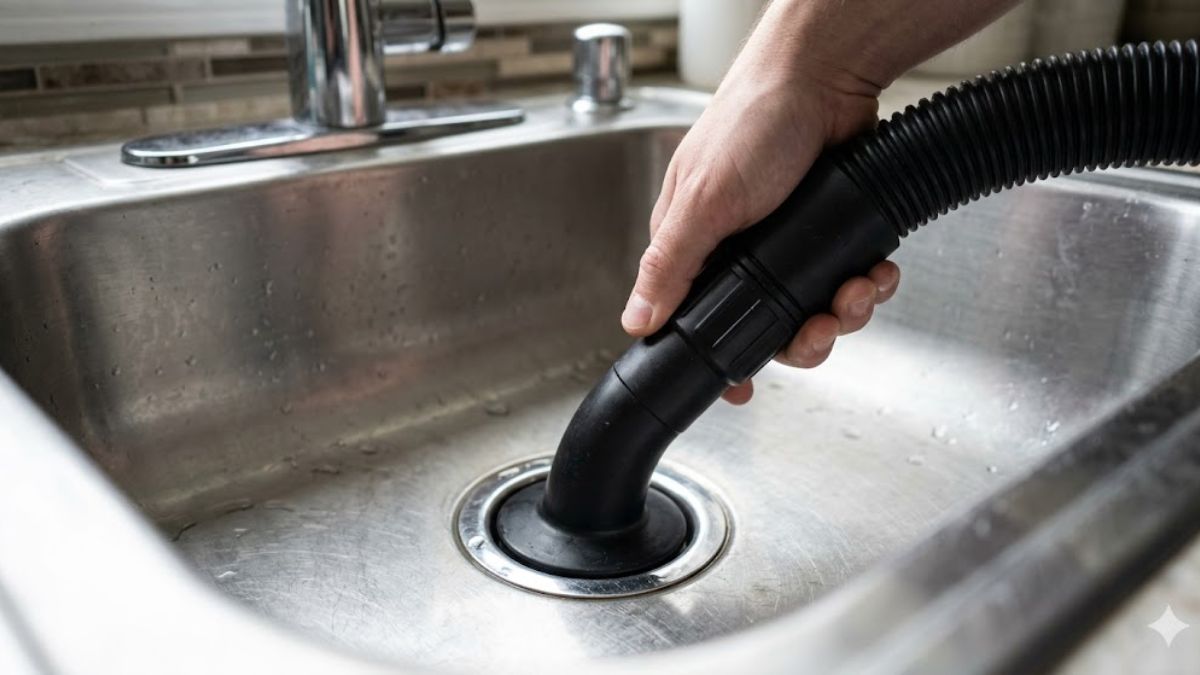
The Method: Set your vacuum to “liquid” mode. Create a tight seal over the drain (you can use an old plunger head to help). Turn it on. The Result: Instead of pushing the clog down, you’re sucking it out. This is great for when a small object (like a ring or a bottle cap) is stuck.
9. The “Deep Clean” – Taking Apart the P-Trap
If you’ve tried 1-8 and nothing worked, the clog is in the U-shaped pipe under the sink.
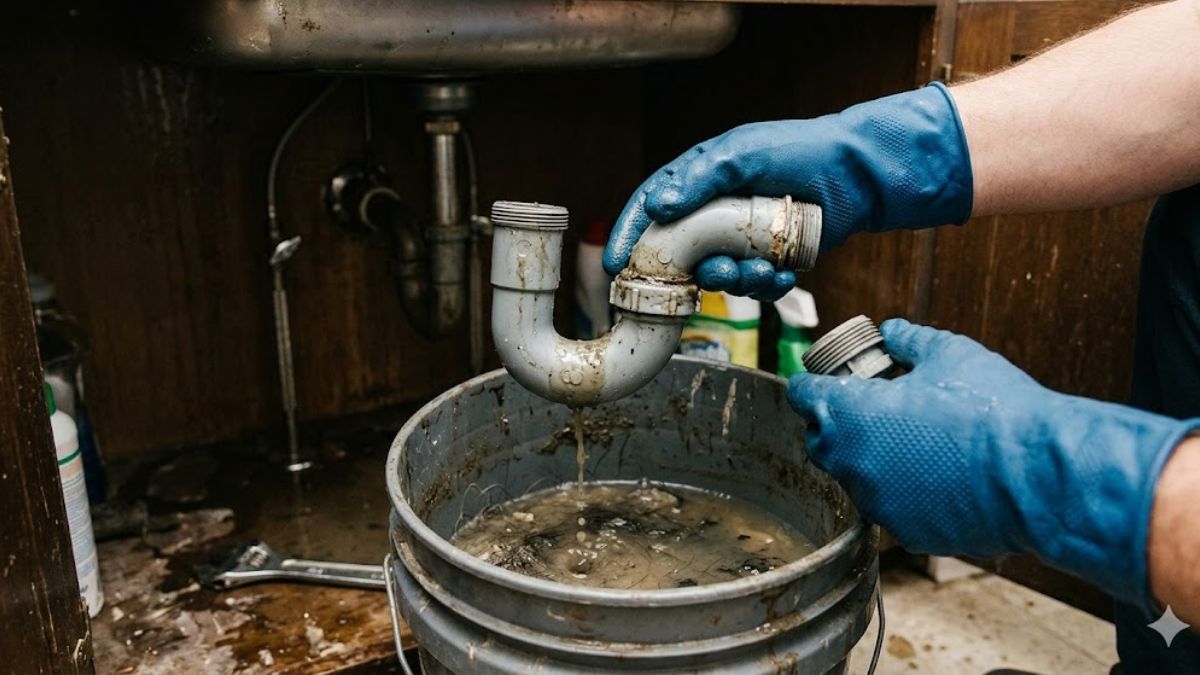
Don’t Panic: It’s just two nuts. Put a bucket underneath (this part gets smelly!). The Win: Unscrew the nuts, take the “U” pipe to another sink, and wash it out. You’ll probably find a massive buildup of “gunk” that no chemical could ever touch.
Pro Tip: Before you go through the trouble of taking the pipes apart, try a high-pressure solution. If you want professional-grade suction, the Master Plunger MPS4 Sink & Drain Plunger features a powerful bellows design that pushes more air and water through the pipes to clear stubborn blockages in seconds.
10. The Salt & Baking Soda Overnight Soak
For those stubborn, “slow-but-not-totally-stopped” drains.
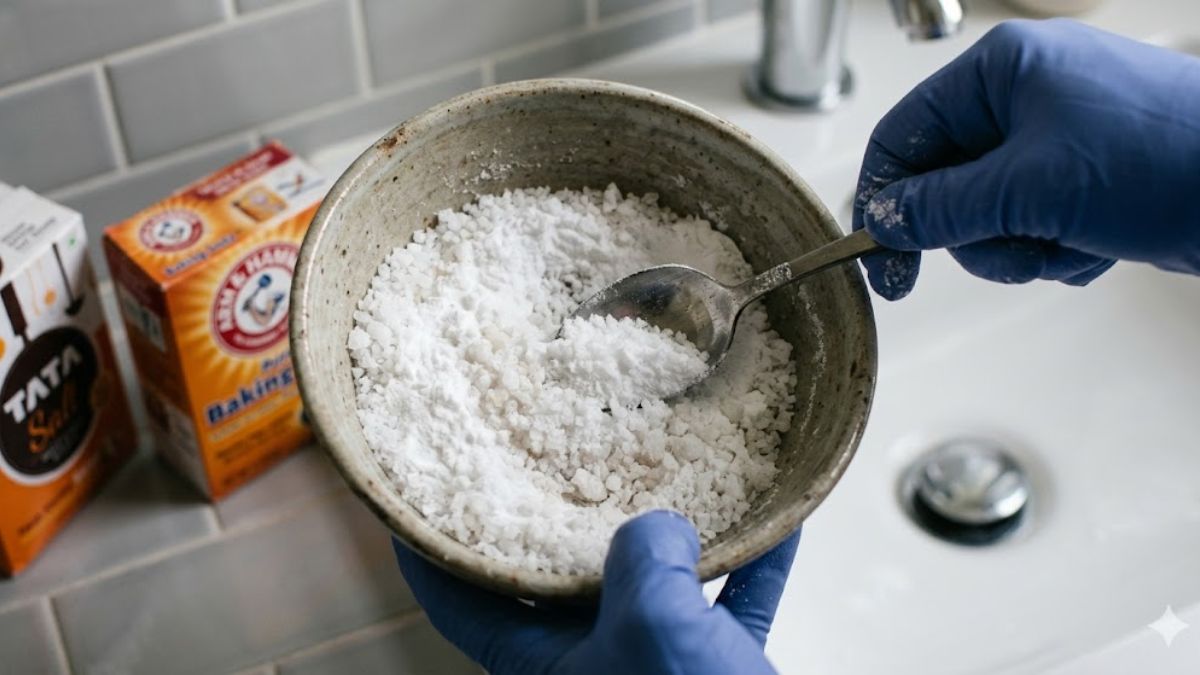
The Method: Mix 1/2 cup salt and 1/2 cup baking soda. Pour it down at night before you go to bed. Why it works: The salt adds an abrasive element that helps “scour” the inside of the pipes while you sleep. Flush it with hot water in the morning.
Fixing your home shouldn’t cost a fortune. Just like these drain fixes, you can also beautify your outdoor space without spending a rupee by following my Zero Budget Gardening: Beginner Guide Using Recycled Materials.
Why You Should Stop Using Chemical Drain Cleaners
I know, the bottle says it’s easy. But here’s the truth: those chemicals are heavy, toxic, and they usually just burn a tiny hole through the clog instead of clearing it. Plus, if they don’t work, you now have a sink full of acidic water. If you then try to use a plunger, you might splash that acid on your face. It’s just not worth it.
How to Make Sure Your Sink Never Slows Down Again
I’m a big fan of “set it and forget it” lifestyle hacks. To keep your 74-article-worthy home running smoothly:
Mesh Strainers: They cost $1. They save $200 plumbers. Use them.
The 3-Minute Flush: Once a week, run the hot water for 3 minutes to melt away any fresh soap scum.
Brush elsewhere: Try not to brush your hair over the sink. It sounds simple, but it’s the #1 cause of clogs.
FAQ :
Q1. How do you fix a slow draining sink?
The most effective way to fix a slow sink is to remove the physical blockage. Start by using a plastic zip tool or a wire hanger to fish out hair and debris. If the clog is deeper, cleaning the P-trap (the U-shaped pipe under the sink) or using a sink plunger while sealing the overflow hole will usually solve the problem instantly.
Q2. What to put down a slow drain?
For a natural solution, pour 1/2 cup of baking soda followed by 1/2 cup of white vinegar. Let it fizz for 15 minutes to break down soap scum. For grease-based clogs (especially in kitchens), a generous amount of grease-cutting dish soap followed by a gallon of very hot water works wonders to lubricate the pipes.
Q3. How to make sink flow faster?
To keep your sink flowing at top speed, perform a weekly hot water flush to melt away fresh soap residue. Also, ensure your pop-up stopper is clean; removing the “black slime” biofilm from the stopper itself is often the quickest way to restore a fast, smooth flow.
Q4. What’s the best thing to put down the drain so it goes faster?
The best “overnight” remedy is a mixture of 1/2 cup salt and 1/2 cup baking soda. The salt acts as a natural abrasive to scour the pipe walls. Pour it in before bed and flush it with boiling water in the morning to keep your pipes clear and fast-moving.
Conclusion: Take Control of Your Home (and Your Wallet)
A slow-draining sink might seem like a small annoyance, but tackling it yourself is about more than just fixing a pipe : it’s about the satisfaction of maintaining your own space. Instead of waiting hours for a plumber or pouring harsh, expensive chemicals down your drain, you’ve now got 10 proven ways to handle the situation like a pro in under 15 minutes. Remember, the secret to a stress-free home isn’t just knowing how to fix things when they break; it’s about simple, consistent maintenance. Grab a $2 zip tool, keep the baking soda handy, and stop letting a little “hair monster” ruin your morning routine. You’ve got the tools, you’ve got the “know-how,” and most importantly, you’ve kept that $200 in your pocket where it belongs.