
This post may contain affiliate links, If you choose to buy through these links, I may receive a small commission at no additional cost to you.
Last week, I was just done. I was scrubbing this nasty grease stain on my kitchen counter, and the smell from the spray bottle was so strong I had to open a window.
I looked at that bottle and thought, “Why am I doing this to my lungs?” We’ve all been conditioned to think that if it doesn’t smell like a hospital and foam up like a bubble bath, it isn’t actually working.
What a joke. Honestly, the best stuff for cleaning isn’t cooked up in some giant factory; it’s literally growing in the dirt outside.
I’ve been messing around with Natural Soap Plants for a few months now, and honestly? It’s been a trip. These aren’t just “pretty leaves” that look nice in a vase.
They’re packed with saponins which is just a fancy word for nature’s actual soap. They rip through grime and bacteria like it’s nothing.
If you’re over the plastic waste and the toxic fumes, these eight plants are going to be a massive game-changer for your house.
Wait, can you actually wash stuff with just… plants?
That’s the first thing everyone asks. And I’m always like, “Look, how do you think people stayed clean for thousands of years before we had big industrial plants?”
It’s a huge yes. These plants contain natural compounds called saponins that suds up the second you shake them in water.
It isn’t “fake” soap. It’s a real molecular-level clean that’s way gentler on your hands (and the planet) than that blue stuff in the plastic bottle.
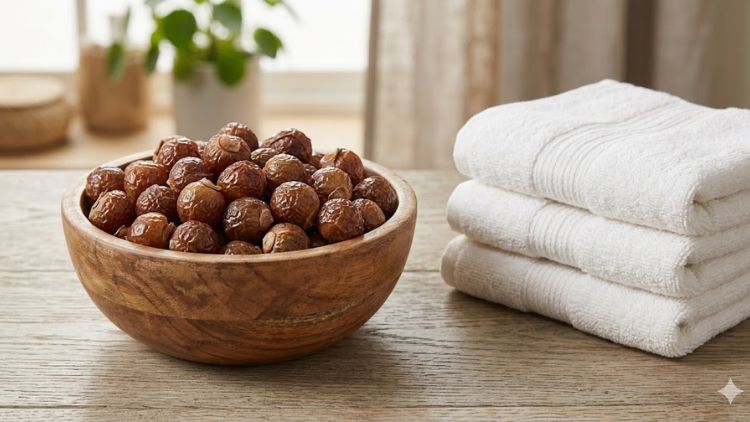
1. Soapnuts (The Global Laundry Hero)
You’ve probably seen these in those high-end organic shops lately. Soapnuts (Sapindus mukorossi) have been around forever in Asia and the Americas.
Cool fact: they’re fruit, not nuts, so you’re safe if you’ve got a nut allergy. When those dried shells hit the water, they release this concentrated, natural soap.
My Take: I just tossed 5 or 6 of them into a tiny cotton bag and threw it in with my laundry. No weird fake perfumes, no soapy film just clean clothes.
If you deal with eczema or sensitive skin, seriously, try this. It’s the simplest switch you can make.
Try this for Hair Care: If you prefer a natural alternative for your hair care routine, I recommend this CARMEL ORGANICS Soapnut/Aritha/Reetha Powder.
It is 100% natural and free from any added preservatives or additives, making it a perfect, gentle way to cleanse your scalp.
2. Soapwort (The “Museum Grade” Cleanser)
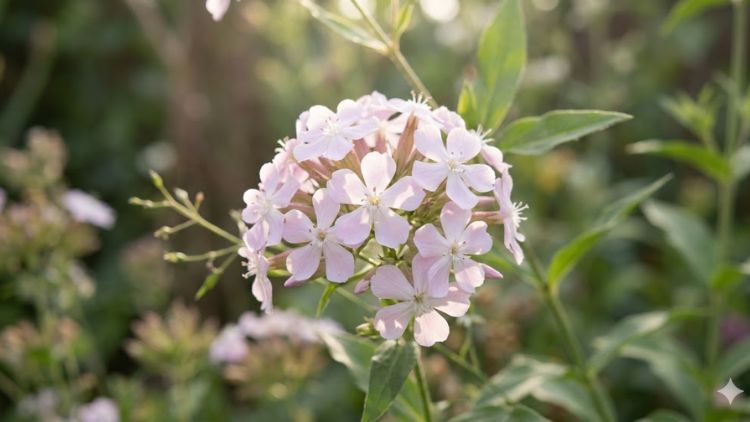
Got a delicate silk shirt or that heirloom wool sweater your grandma made? Soapwort (Saponaria officinalis) is the one.
It’s so gentle that museum curators actually use it to wash ancient tapestries. I’m not even kidding it’s that safe.
The Hack: Simmer the roots or leaves in water for 20 minutes. You end up with this “soapy tea” that smells fresh and earthy.
Best For: Anything hand-wash only. It rinses off so clean that you won’t get that “crunchy” feeling chemical detergents leave behind.
3. Yucca Root (The Suds King)
If you’re the type of person who needs to see bubbles to feel like something is clean, Yucca is your guy.
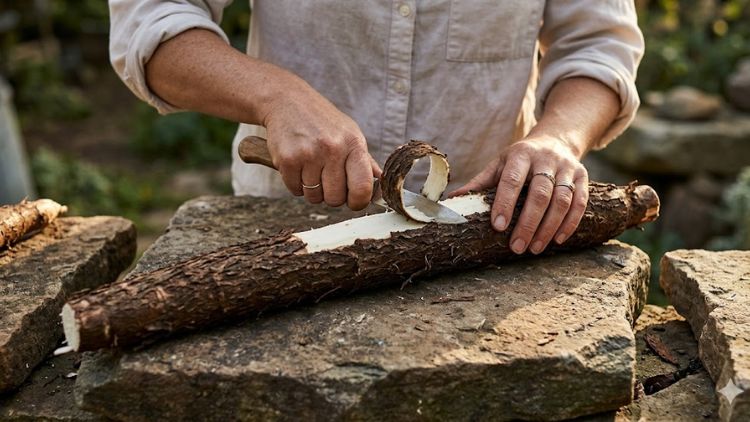
It grows in dry spots, and the root is just loaded with saponins. Indigenous folks have been using it for shampoo and body wash for ages.
How to use: Peel it, grate it, and whisk it into some water. It makes this thick, creamy foam that’s actually kind of satisfying to look at.
Why it’s a thing right now: It’s a huge hit in the “no-poo” movement. It cleans your scalp without killing off the natural oils that keep your hair healthy.
4. Horse Chestnut (The Free Cleaner Hiding in Plain Sight)
Most of us just walk right over these in the park every autumn. We used to call them “conkers.”
But man, they are basically free laundry soap sitting on the grass. You just have to know how to use them.
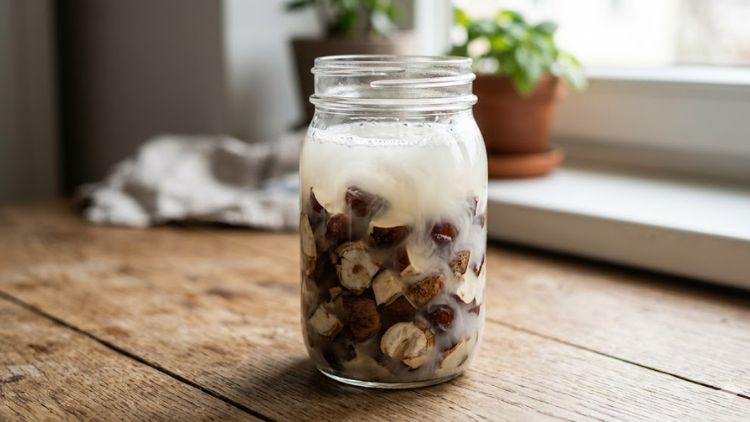
The Method: Crush ’em, soak ’em in warm water, and watch the water turn milky. Boom you’ve got homemade detergent.
Pro Tip: It’s probably the most sustainable way to live because it literally costs zero. Just strain the liquid really well before you pour it in your machine.
How do I make a natural surface disinfectant at home?
Everyone’s stressing about VOCs the nasty stuff you breathe in from sprays. I see people searching for “antibacterial plants for cleaning” all the time now.
But you don’t need bleach to kill germs. Nature already figured out the chemistry long ago.
Honestly, Natural Soap Plants work even better when you mix them with a few garden herbs for that extra punch.
5. Thyme (The Professional Disinfectant)
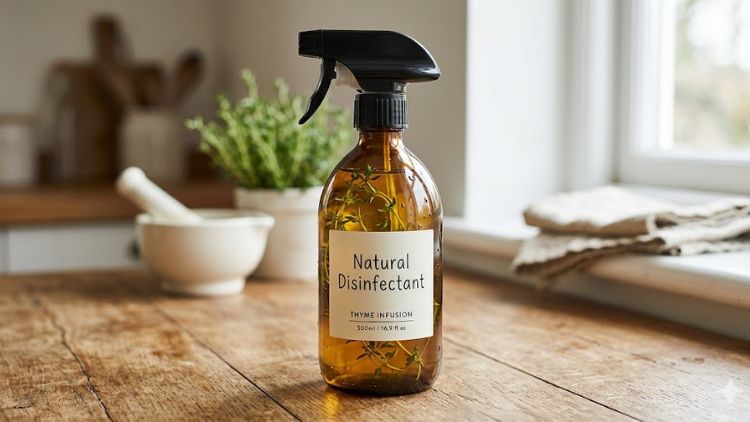
Thyme isn’t just for a Sunday roast. It’s got thymol in it. It’s so strong it’s actually used in some medical-grade disinfectants.
Usage: I keep a spray bottle of Thyme-infused water in my kitchen. It’s naturally antifungal and antibacterial.
The Vibe: Instead of that eye-watering fake lemon smell, your kitchen smells like an herb garden. Plus, it’s safe around my kids and the dog. Huge relief.
6. Rosemary (The Grease-Cutting Warrior)
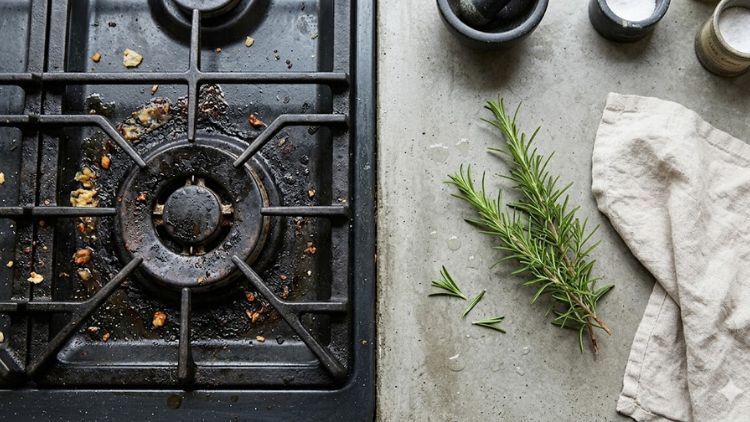
Rosemary is tough as nails. The essential oils in it are just incredible at breaking down that sticky, gross film you find on kitchen counters or over the stove.
Recipe: Let some Rosemary sprigs sit in white vinegar for two weeks. This stuff is a beast.
It shines glass and cuts through bathroom gunk better than almost anything I’ve ever paid for at the supermarket.
7. Lemon Balm (The Natural Deodorizer)
If your house is smelling a bit “lived-in” (we’ve all been there), Lemon Balm is your new best friend.
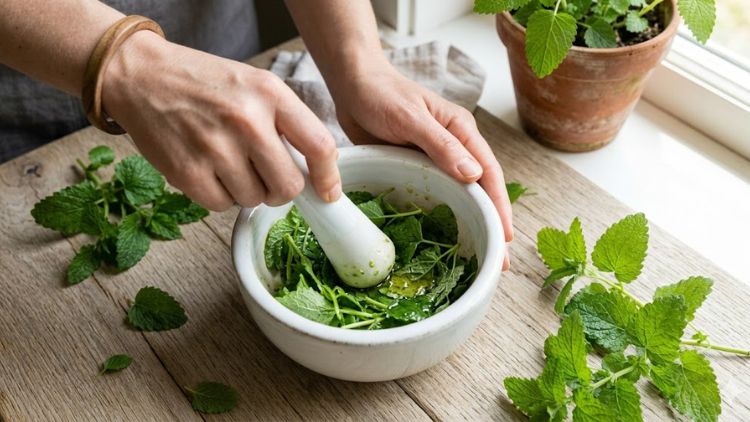
It’s in the mint family, but it has this bright citrus kick that wakes up the room.
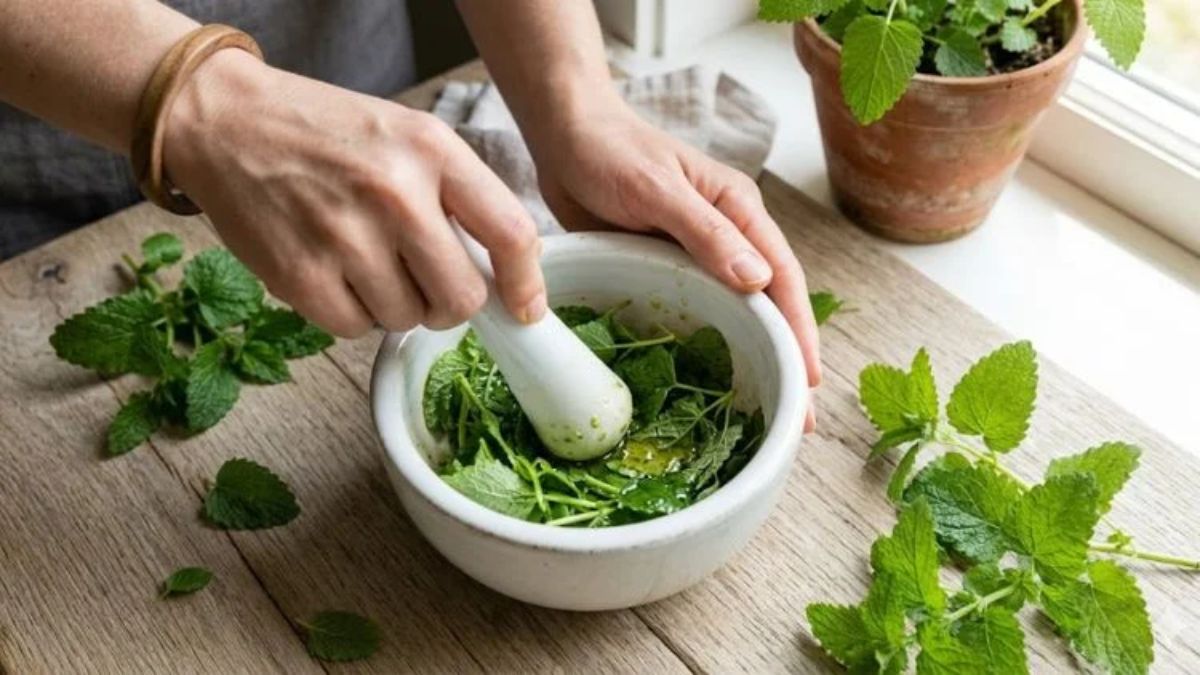
Why it works: It’s got citral and limonene the exact same stuff commercial cleaners use, but without the synthetic junk.
It’s a gentle cleanser for dust, and it just makes the whole room feel light and fresh.
Using these Natural Soap Plants for aromatherapy while you clean is a total game-changer for your mental peace.
8. Mint (The Pest-Repelling Cleaner)
Mint is a two-for-one deal. It’s antimicrobial, sure, but spiders and ants absolutely hate the smell of it.
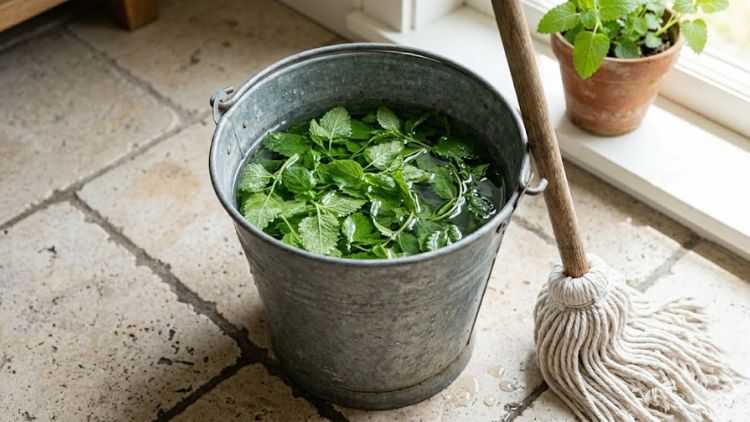
Mopping with a Mint infusion doesn’t just clean the floor; it creates this invisible barrier that keeps the bugs out.
It’s especially great for the bathroom if you want that extra “fresh” feel without using harsh chemicals.
Why is everyone going back to “Ancient Cleaning”?
It’s kind of funny. We spent 50 years trying to invent the “perfect” chemical spray, only to find out our ancestors had it right the whole time.
Using Natural Soap Plants is becoming a massive thing globally because we’re finally seeing the damage chemicals do to our bodies and homes.
Biodegradability: If you use Soapnuts or Yucca, you can actually use the gray water to water your roses.
Try that with a bottle of blue stuff from the store your garden would be dead in an hour.
Health: Every time we spray a chemical, we breathe it in. Plant-based means your indoor air stays clean and safe.
Sustainability: No plastic. No shipping heavy bottles. Just plants.
If you’re serious about turning your house into an eco-friendly sanctuary, check out these Simple Sustainable Lifestyle Changes at Home to see how small habits make a massive impact.
FAQ:
Q1: What plants are used as a substitute for soap?
When we talk about substitutes, we’re usually looking for a direct replacement for the commercial detergents we buy at the store. For this, you need plants that are heavy on saponins.
In my experience, Soapnuts (Sapindus) are the perfect swap for laundry detergent, Soapwort works wonders as a hand-wash replacement, and Yucca root is my go-to for hair.
Q2: What plants can be used as natural soap?
A “natural soap” is something you can practically use straight from the garden onto your body without a complicated factory process.
Yucca root is definitely the king here if you grate it, the foam is so rich you can use it directly as a body wash. Soapwort is another great one where the liquid acts just like a liquid hand soap.
Since you’re already looking into natural suds for your body, you should definitely read my Skin Longevity vs Anti-Aging: 2026 DIY Natural Biotech Guide to keep your skin glowing naturally.
Pro Recommendation: If you want the benefits of these plants but prefer a ready-to-use option, I highly recommend the Crate 61 Organics Handmade Vegan Natural Bar Soap.
It is cold-pressed and packed with premium essential oils, giving you that deep yet gentle clean without any synthetic junk.
Q3: What plants are used in cleaning?
Cleaning isn’t just about making suds; it’s about actually sanitizing your home. This is where you look for plants with antiseptic and degreasing properties.
Thyme is a beast at killing germs because of its thymol content, and Rosemary is my secret weapon for cutting through thick grease.
Q4: What plant acts as a natural soap?
If you want the one plant that truly “acts” like a finished soap product in its purest form, it has to be the Soapberry (Soapnuts).
Why? Because it requires zero processing. You don’t have to boil it just agitating the dried shells in water immediately creates a functional, cleaning lather.
Things you should know before you start
Shelf Life: Remember, there are no preservatives here. Make small batches and use them within a week, or keep them in the fridge to stay fresh.
Suds aren’t everything: We’ve been brainwashed to think “more bubbles = more clean.” That’s a lie. These plants work at a molecular level even if they don’t foam like crazy.
Patch Test: Always test a new cleaner on a hidden corner first. Nature is powerful, and you want to be safe!
Beyond the Bottle
Look, you don’t have to switch everything over in one day. Just start small. Maybe try Soapnuts for your towels first, or make a Rosemary spray for the bathroom.
The first time you clean your whole kitchen with something you literally grew in the dirt, it feels… different. You’re part of a natural cycle now.
Ready to toss those plastic bottles and see what these plants can do? Trust me, once you see them work, those chemical cleaners are going to look really weird in your cabinet.